

Shared Speedboat Day Trip
The cheapest legitimate way to see the dragons in one day.
from USD 90 / person

Rinca Island puts wild Komodo dragons within reach of a short, ranger-led trek — a 30–45 minute speedboat crossing from Labuan Bajo, a flat government park fee, and open savanna that gives clear sightlines on the trail.
Since 2015
Part of Juara Holding Group
PT Komodo Bahari Nusantara
Trips fulfilled by Komodo Luxury, licensed operator
PP No. 36/2024
Every park fee cross-checked against the government tariff
Direct line
WhatsApp +62 811-3823-875
Featured Trips
Prices below are what the operator publishes. The park fee is the same whichever boat you take.
The cheapest legitimate way to see the dragons in one day.
from USD 90 / person
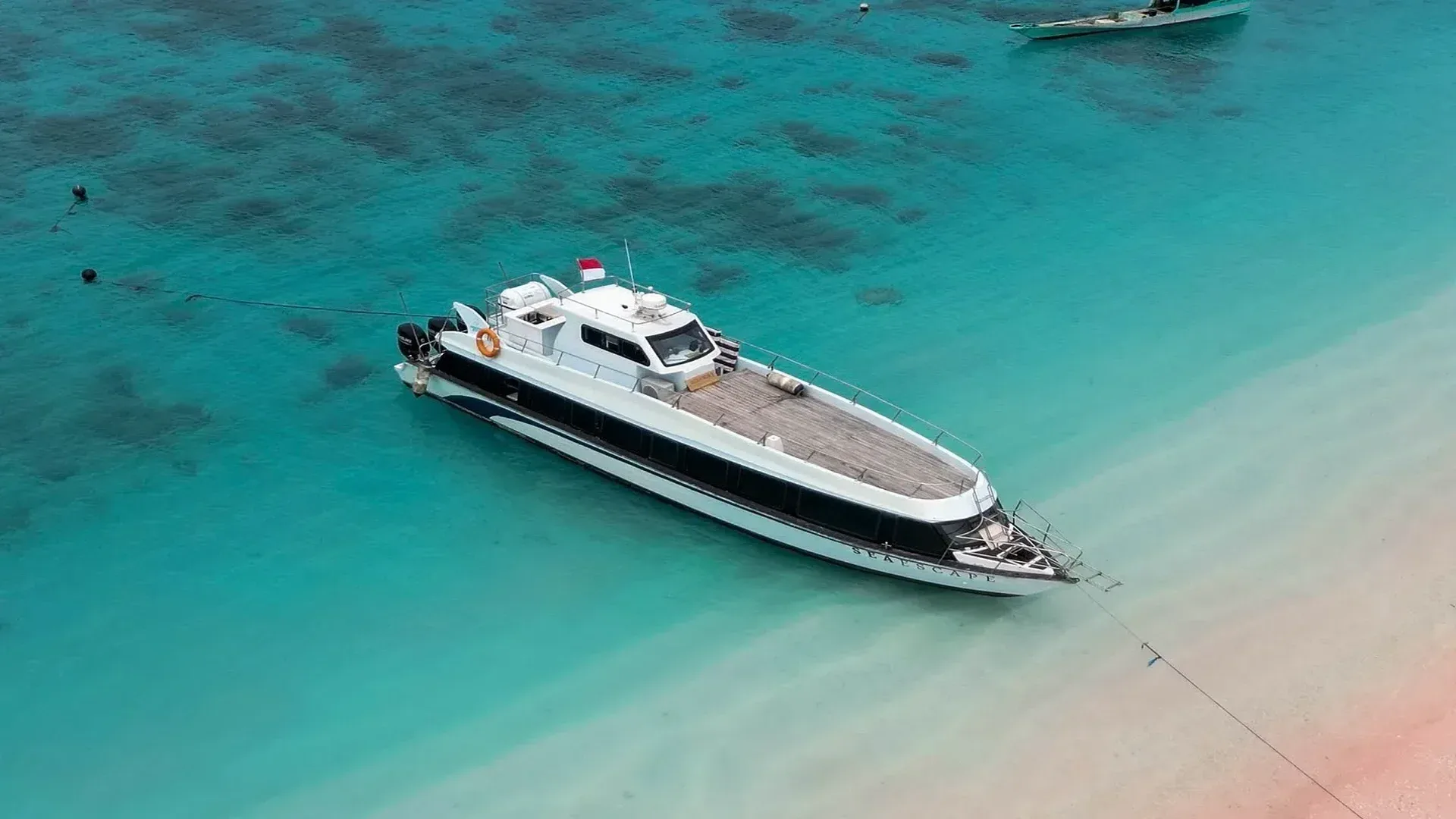
Your own schedule, your own second stop, a dedicated ranger group.
from USD 800 / boat / day
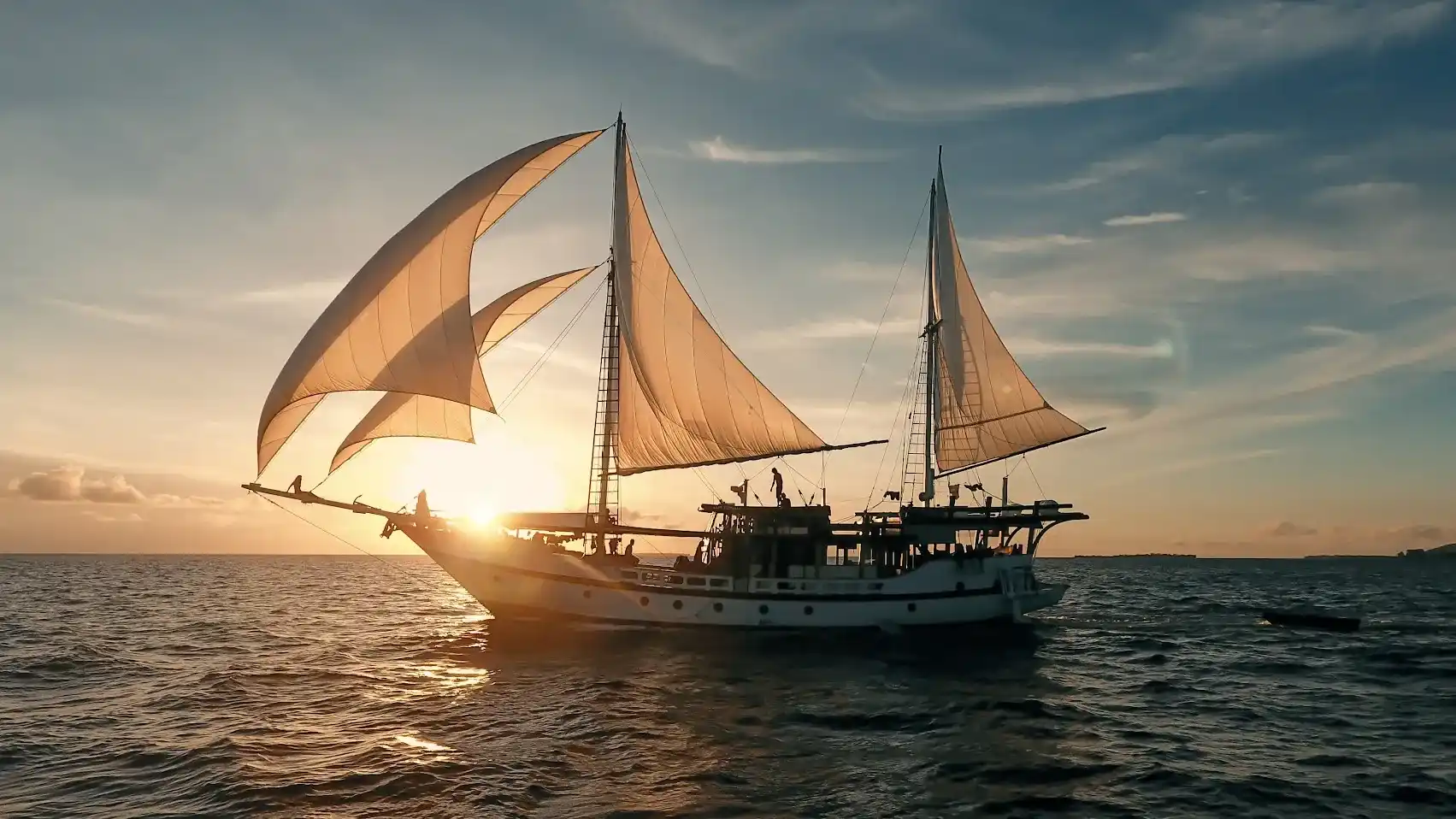
Multi-day, whole-boat, folding Rinca into a wider Komodo route.
from USD 5,300 / night
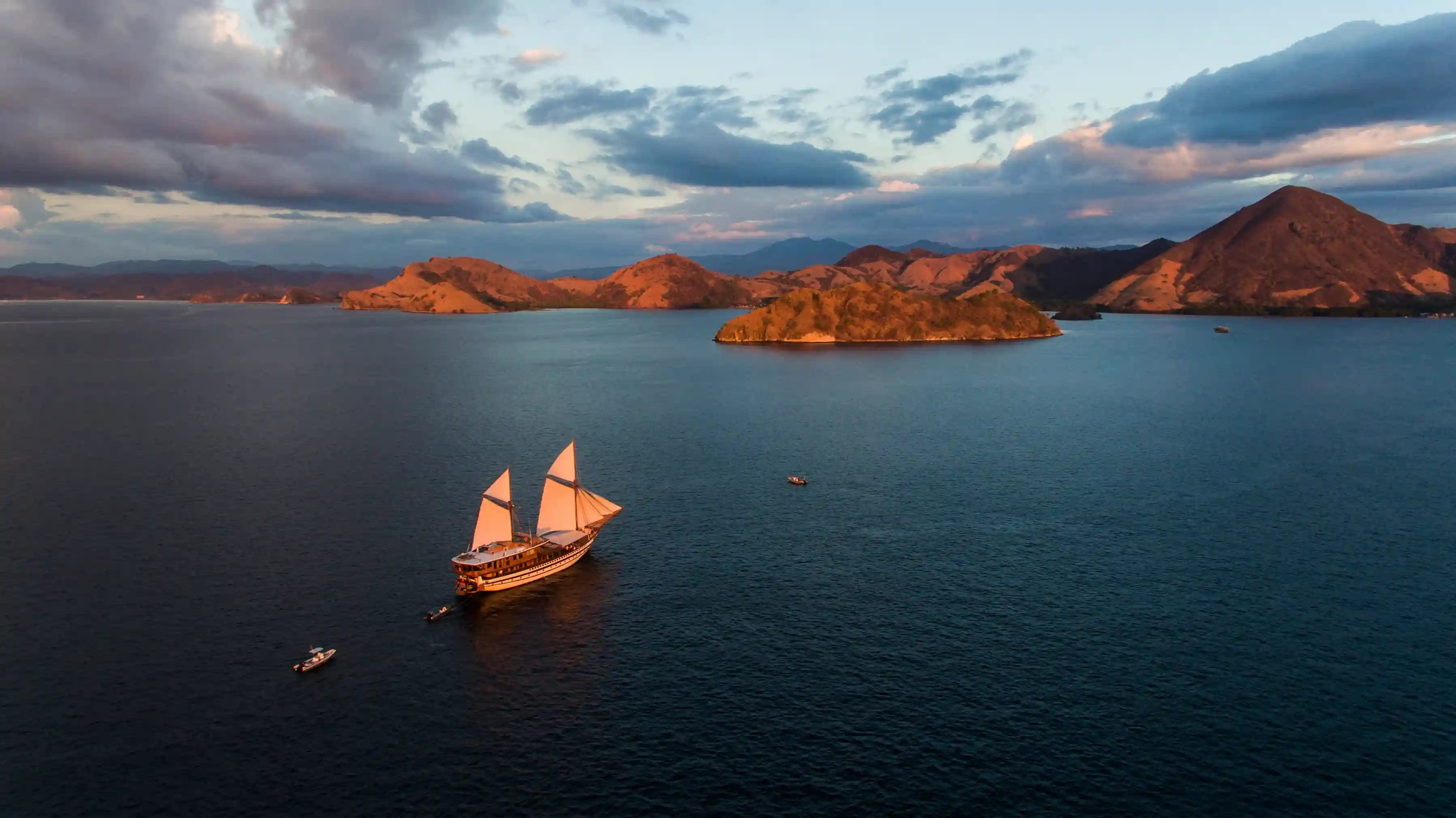
A higher comfort tier than a private speedboat, crewed and catered.
from USD 5,300 / night
Explore by Intent
Where and when sightings are most reliable at Loh Buaya.
A realistic hour-by-hour schedule from Labuan Bajo.
Rinca, Padar, Komodo and Manta Point on one route.
Kids, ages, and which trek route suits them.
Whole-boat charters and yacht-level comfort.
Every fee layered and sourced, plus three real tiers.
Plan Your Trip
Every figure comes from the pages linked under each tool — nothing here is estimated for effect.
Both figures here are quoted in USD, so they are added directly as separate lines — no exchange rate is applied. This breakdown covers foreign-visitor pricing; Indonesian citizens pay the park fee in IDR instead (IDR 50,000 weekday / IDR 75,000 weekend). Figures come from Rinca Island Cost and Entrance Fee & Permits. Confirm your charter quote before booking.
All routes start and end at the Loh Buaya ranger post and are led by a licensed ranger — independent trekking is never permitted. Full trekking guide.
Rinca or Komodo
Both islands hold genuinely wild dragons inside the same national park, and neither has a meaningful edge on spotting odds.
Rinca wins on practicality: a 30–45 minute speedboat crossing, open savanna with clear sightlines, and a shorter walk from the jetty.
Read the full comparison
The Short Answers
One line each, and a link to the page that shows the working.
A ranger-managed section of Komodo National Park, and the most reliable place to see wild Komodo dragons on a short trek from Labuan Bajo.
Size, terrain and populationNeither has a meaningful edge on spotting odds. Rinca wins on a shorter crossing, open sightlines and a quieter trail.
Compare Rinca, Komodo and PadarFly to Labuan Bajo, then cross by sea: 30–45 minutes by speedboat, 1.5–2 hours on a wooden day boat. There is no public ferry.
Every route, timedThree ranger-led loops out of Loh Buaya, from 20 minutes to two hours. Independent trekking is never permitted.
Short, medium and long trailsPark fees for foreign visitors are around USD 40–50 per person. Boat costs vary depending on the type of boat, route, and trip duration.
Full budget breakdownDragons near the ranger post, Timor deer, macaques and over a hundred recorded bird species across the park.
Deer, buffalo, birds and snakesRinca Island Journal
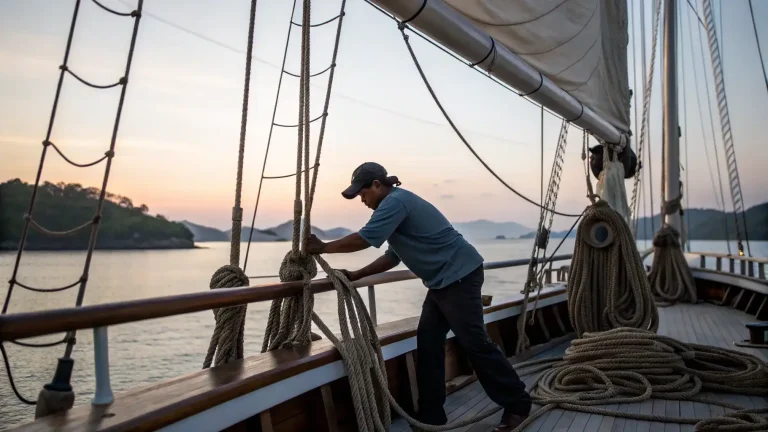
There is no public ferry to Rinca Island — every visitor travels by chartered boat, speedboat, open-trip departure, or liveaboard from Labuan…
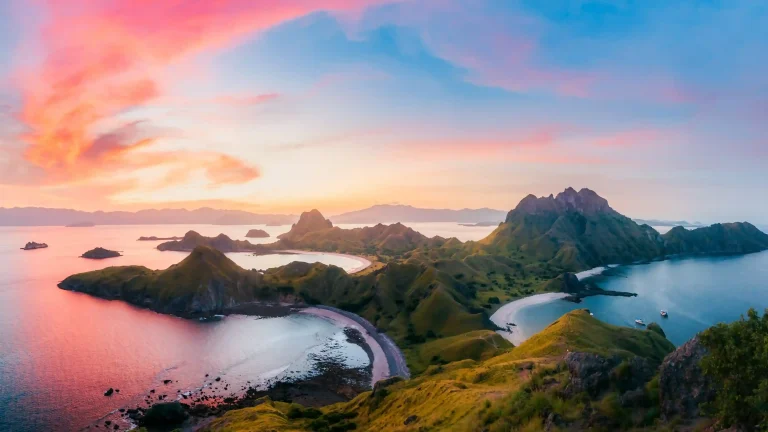
For photographing Rinca Island, a mid-range zoom (roughly 70-200mm equivalent) covers both wildlife at a safe distance and landscape shots without swapping…
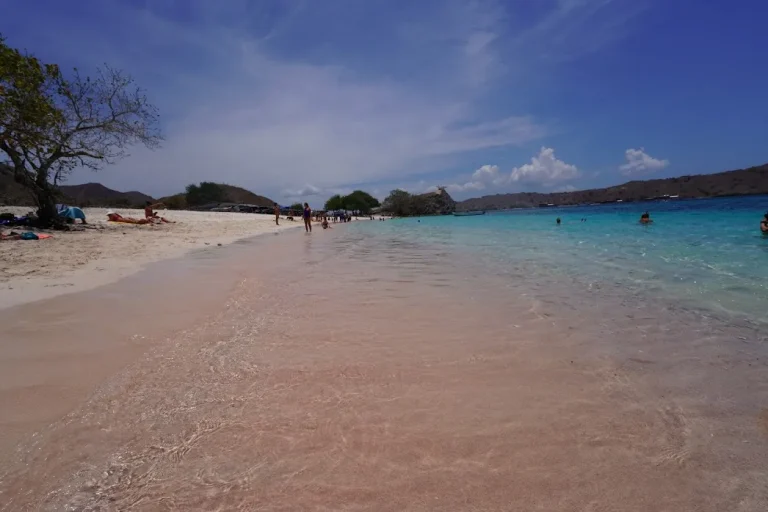
You need very little cash on Rinca Island itself, since park tickets are now booked and paid online through SiOra. Bring cash…
Only a small kiosk near the ranger post sells snacks and drinks. There is no restaurant and no refill point on the trail, so carry your own water.
Yes. Since April 2026 the park requires advance booking through the SiOra system rather than paying at the jetty.
Yes, when you follow instructions. Every visitor walks with a licensed ranger who keeps a safe distance and controls the group.
No. There is no visitor accommodation inside the Rinca park zone. Multi-day visitors sleep aboard a boat or in Labuan Bajo.
April to June brings post-rain greenery and fewer crowds. July to September is the dry peak, with the clearest water and the most visitors.
Roughly 1,000 visitors per day across the whole park, split into three booking sessions — not per island.
Send your dates and group size to Komodo Luxury on WhatsApp and their reservations desk will match you to a shared, private, or liveaboard option with a real, itemized quote.
Check Dates With Komodo Luxury