
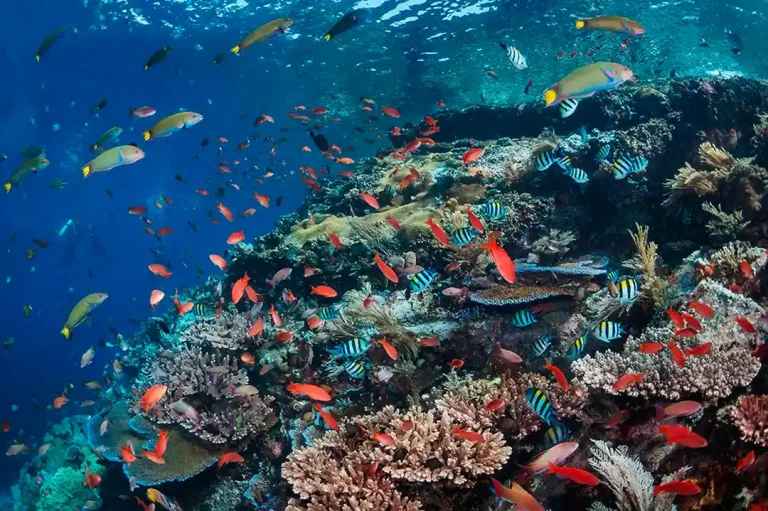
Diving Around Rinca: Castle Rock, Crystal Rock, Batu Bolong
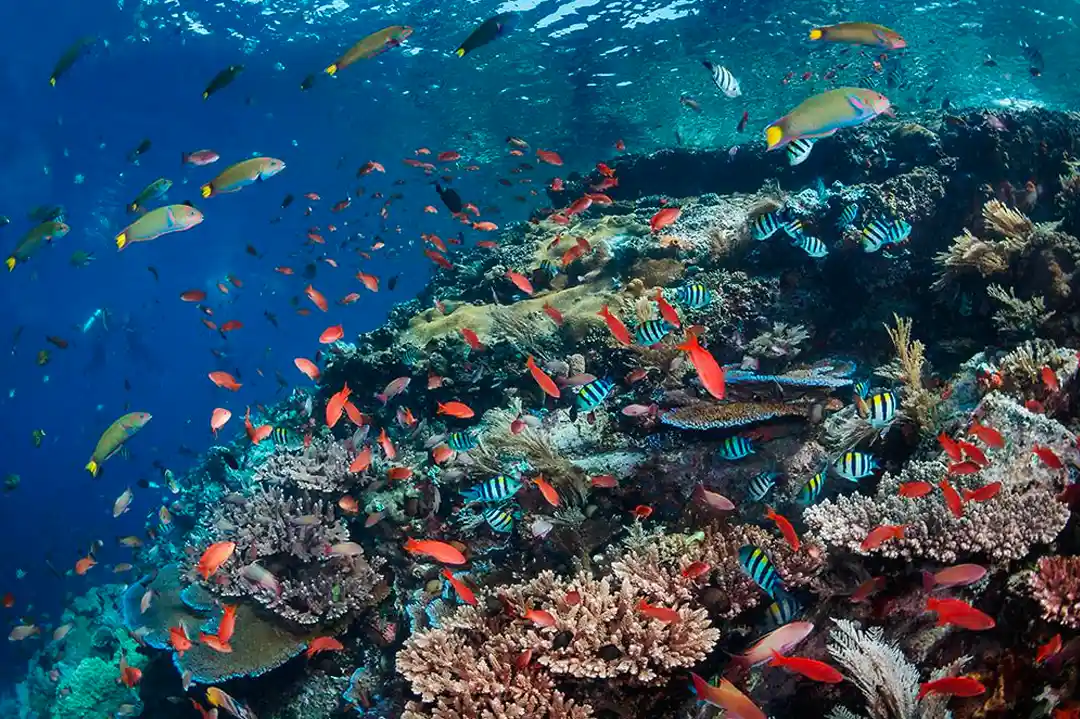
Castle Rock, Crystal Rock and Batu Bolong are three of Komodo National Park’s best-known dive sites near the Rinca and Komodo island channels, all pinnacle or seamount reefs known for strong, often unpredictable currents that concentrate pelagic life — reef sharks, large schools of fish, and regular manta sightings — making them sites for experienced divers rather than beginners.
Last updated: 25 August 2026.
What Makes Castle Rock, Crystal Rock and Batu Bolong Distinctive?
All three are underwater pinnacles or narrow rock formations rising from deeper water in the channels around the Komodo/Rinca area, rather than fringing reefs along a beach. That structure is exactly what makes them productive: strong currents sweeping past a pinnacle concentrate nutrients and, in turn, the fish and larger marine life that feed on them. This same current is why all three sites are generally recommended for divers with drift-diving experience rather than a first open-water dive.
Castle Rock: What to Expect
A submerged pinnacle known for strong currents and reliably good chances of reef sharks and large schools of fusiliers or trevally circling the structure. Depths across the site range from shallow reef top down to deeper walls, giving both snorkellers (on calmer days) and divers something to see, though the strongest current activity is typically felt at depth.
Crystal Rock: What to Expect
Named for its clear water and vibrant coral coverage on a good day, Crystal Rock is another current-swept pinnacle known for schooling fish, occasional manta encounters, and healthy hard and soft coral growth on its upper sections. Like Castle Rock, timing your dive around the tide and current window matters more here than at a typical sheltered reef.
Batu Bolong: What to Expect
Batu Bolong (“perforated rock” in Indonesian) is a narrow, steep-sided pinnacle that drops quickly into deep water, packed with soft coral and reef fish along its walls. It’s often described as one of the most photogenic wall dives in the park, with the trade-off being that its narrow profile concentrates current strongly along the same walls divers want to explore.
Are These Dive Sites Suitable for Beginners?
Generally not as a first dive. All three sites are known for currents that can shift quickly and require comfort with drift diving and, at times, negative or reference-point descents. Most operators recommend an Advanced Open Water certification or equivalent experience, and a briefing on that day’s specific current direction before entering the water. Ask your dive operator directly about conditions expected on your date rather than assuming a fixed difficulty level, since current strength varies with tide.
How Do These Dive Sites Relate to a Rinca Island Trip?
All three sites sit within the same Komodo National Park boat itineraries that include Rinca’s Komodo dragon trek, typically as part of a 2- to 4-night liveaboard route rather than a single-day add-on. See our Rinca Island liveaboard guide for how dive stops are typically combined with the Rinca trek on a multi-day route.
When Is the Best Time to Dive These Sites?
Visibility and current conditions both shift with the tide cycle more than with any single calendar date, but the broader dry season (roughly June to September) generally offers the clearest water across Komodo National Park’s dive sites, since less rainfall means less runoff and sediment entering the water from surrounding islands. Within any given trip, your dive operator will time specific dives around slack tide or a manageable current window at each pinnacle rather than diving purely on a fixed schedule — this is standard practice for current-swept sites like these, not a sign of poor planning.
What Gear Do You Need for Diving Around Rinca?
Beyond standard open-water kit, a surface marker buoy (SMB) is strongly recommended given the drift-diving nature of these sites, along with a reef hook for sites where you may want to stay stationary in current without touching or damaging coral. A 3mm or thicker wetsuit is worth considering even in warm water, since longer dive times at depth and repeated exposure add up. Reputable dive operators in Labuan Bajo supply or rent this equipment; confirm what’s included before booking rather than assuming a standard open-water rental package covers current-specific gear.
How Do These Sites Compare to Manta Point and Other Komodo Dive Spots?
Manta Point, a separate and well-known site elsewhere in the park, is specifically oriented around reliable manta ray cleaning-station behaviour and tends to have gentler conditions suited to snorkellers as well as divers. Castle Rock, Crystal Rock and Batu Bolong are a different category — current-driven pinnacle dives prioritising schooling fish and reef structure over a single guaranteed species encounter. Most multi-day dive itineraries in the park combine both site types across a trip rather than choosing one category exclusively.
How Do These Sites Fit Into a Typical Diving Itinerary?
Most dive-focused liveaboards visiting the park rotate through several sites across a route, using local knowledge of tide timing to hit each pinnacle during a manageable current window rather than diving all three back to back regardless of conditions. A typical multi-day dive itinerary might include one or two of these three sites alongside gentler options like Manta Point or a sheltered house reef, balancing the more demanding drift dives with easier ones across the trip rather than front-loading all the challenging sites into a single day.
What Certification Level Do Operators Typically Require?
Most reputable dive operators ask for at minimum an Advanced Open Water certification, or an Open Water certification combined with a logged dive count and recent drift-diving experience, before including these three sites on your itinerary. If you’re newly certified or haven’t dived in strong current before, say so honestly when booking — a good operator will substitute a gentler site rather than placing you in conditions beyond your current experience level.
Frequently Asked Questions
Are Castle Rock, Crystal Rock and Batu Bolong beginner dive sites?
No, all three are known for strong currents and are generally recommended for divers with Advanced Open Water certification or equivalent drift-diving experience.
What marine life can you see at these dive sites?
Reef sharks, large schooling fish, and periodic manta ray sightings are commonly reported, driven by the nutrient-rich currents these pinnacles attract.
Can you combine diving at these sites with a Rinca Island Komodo dragon trek?
Yes, most multi-day liveaboard itineraries in Komodo National Park combine dive stops like these with the Rinca trek on the same route.
Which is better for beginners: Castle Rock, Crystal Rock or Batu Bolong?
None are ideal first dives; conditions and current strength vary by tide on any given day, so ask your dive operator for a direct assessment of your date.
What is the best season to dive Castle Rock, Crystal Rock and Batu Bolong?
Roughly June to September, the core dry season, generally offers the clearest water across these sites due to lower runoff and sediment.
Do you need special equipment for these dive sites?
A surface marker buoy and reef hook are strongly recommended given the current conditions; confirm equipment inclusions with your dive operator before booking.
Continue planning your Rinca Island trip:
See the full Rinca Island liveaboard guide ·
Best Time for Rinca Island ·
Boat transfer options ·
Book a diving-inclusive Komodo liveaboard.
Quick Facts & Related Questions
- Rinca’s own waters are not a dive destination; nearby dive sites such as Castle Rock, Crystal Rock, and Batu Bolong are reached as a separate leg of the same boat trip.
Keep Reading
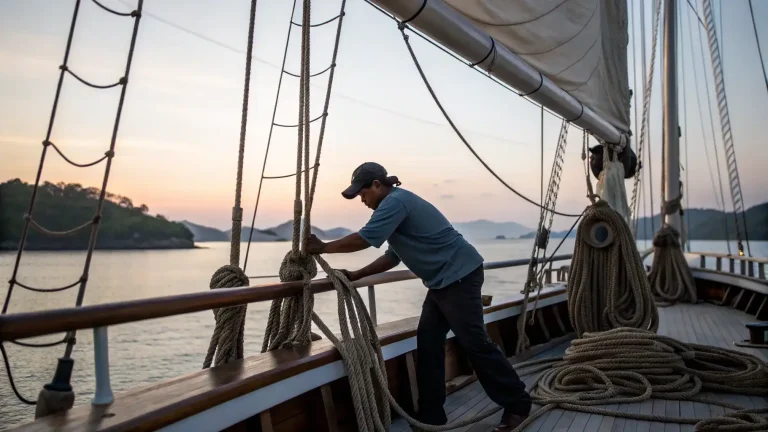
Boats & Liveaboards
Boat Schedules to Rinca Island & the Last Boat Back
There is no public ferry to Rinca Island — every visitor travels by chartered boat, speedboat, open-trip departure, or liveaboard…
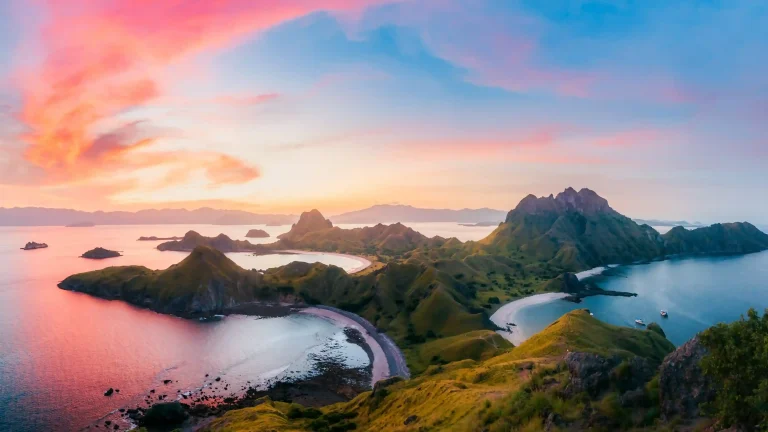
Travel Journal
Photographing Rinca Island: Gear, Light & Ethics
For photographing Rinca Island, a mid-range zoom (roughly 70-200mm equivalent) covers both wildlife at a safe distance and landscape shots…
Costs, Fees & Booking
Cash, Cards & Tipping on Rinca Island
You need very little cash on Rinca Island itself, since park tickets are now booked and paid online through SiOra.…