
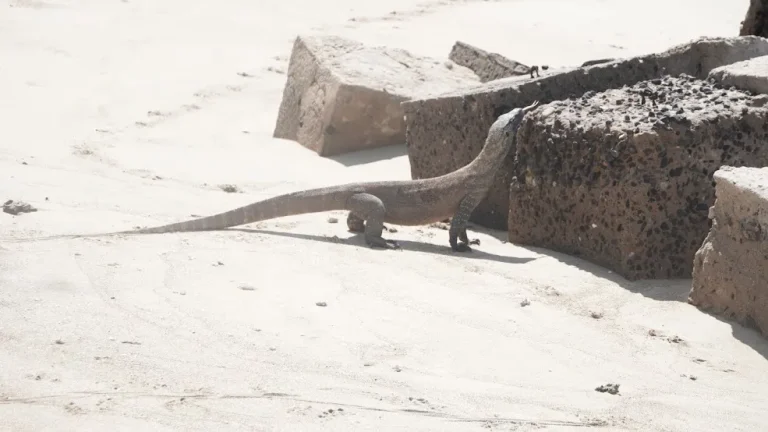
The Future of Eco-Tourism on Rinca Island
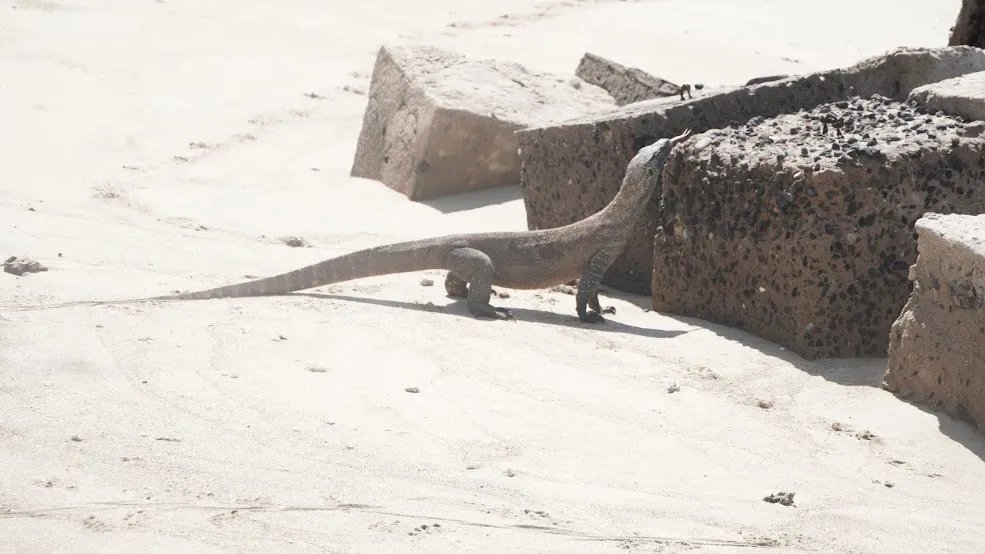
Last updated: August 25, 2026.
Eco-tourism on Rinca Island is shaped by a straightforward tension that isn’t going away: the park needs tourism revenue and visibility to justify continued conservation investment, but uncontrolled visitor growth is exactly what threatens the habitat that makes the island worth visiting in the first place. The trends worth watching are less about new attractions and more about how access itself is managed.
The Core Tension Driving Policy Changes
Every major regulatory change affecting Rinca in recent years — the fee restructuring under PP No. 36/2024, and the April 2026 introduction of the SiOra e-ticket system — has been a response to this same underlying tension. Balai Taman Nasional Komodo has moved toward tighter, more trackable visitor management (advance booking, session-based quotas, standardized fees) rather than simply raising prices or restricting numbers outright. This pattern is a reasonable predictor of how future changes are likely to be shaped as well.
Visitor Management as the Main Lever
Rather than expanding infrastructure to accommodate more visitors, the park’s approach has leaned toward managing demand: a park-wide daily cap split into sessions, mandatory ranger-guides on every trek, and now advance digital booking through SiOra. This suggests future sustainability efforts on Rinca are more likely to refine how visitor flow is scheduled and tracked than to significantly expand physical trail infrastructure.
Ranger-Guide Systems as a Conservation Tool, Not Just a Safety Measure
It’s worth reframing something visitors sometimes see purely as a safety rule: the mandatory ranger-guide requirement also functions as a conservation control, concentrating foot traffic onto known trails and away from sensitive nesting or resting areas that rangers monitor daily. As pressure on the park continues, this guided-access model — rather than open, self-guided trekking — is the more likely direction for how other conservation areas in the region approach similar wildlife-tourism tensions.
Digital Booking as a Data Tool, Not Just a Convenience
The SiOra system does more than let travelers book online — it gives the park authority a real-time dataset on visitor volume, timing, and distribution across sessions and islands, which is the kind of information that makes evidence-based quota adjustments possible going forward. Expect future policy discussions about Komodo National Park’s carrying capacity to increasingly reference this kind of booking data rather than estimates.
What This Means for Future Visitors
- Expect continued advance-booking requirements, likely becoming more, not less, central to how visits are arranged.
- Expect fees and quotas to be revisited periodically as the park authority balances conservation funding needs against visitor experience.
- Expect the guided-trek model to remain non-negotiable, since it serves both safety and conservation functions simultaneously.
- Don’t expect major new physical infrastructure on Rinca specifically, given the visible tension between infrastructure expansion and conservation goals that has shaped past decisions elsewhere in the park.
How Travelers Can Support Sustainable Visits
Beyond following ranger instructions and staying on designated trails, the most direct way an individual traveler supports the park’s sustainability approach is straightforward: book through the official SiOra system rather than seeking workarounds, respect group size and session limits, and choose operators who visibly follow park rules rather than those offering to bypass them. None of this requires special effort — it simply means treating the existing system as intended rather than as an obstacle.
Lessons from How the Rules Have Already Changed
Looking at what’s already happened is a more reliable guide to the future than speculation. The shift from a more informal, cash-at-the-gate fee system to a standardized national fee schedule under PP No. 36/2024, followed roughly eighteen months later by the mandatory SiOra e-ticket system, shows a clear direction: toward more structured, more trackable, and more centrally managed visitor access. Each change has made the system somewhat less flexible for last-minute visitors and somewhat more predictable and enforceable for the park authority — a trade-off that is likely to continue rather than reverse.
What Doesn’t Appear to Be Changing
Some things have stayed constant through every policy revision: the mandatory ranger-guide requirement, the absence of visitor accommodation on Rinca itself, and the park-wide (rather than per-island) approach to quota-setting. These constants are worth treating as durable planning assumptions for your own trip, since they’ve survived multiple rounds of regulatory change without being loosened.
Frequently Asked Questions About Eco-Tourism Trends on Rinca Island
Is Komodo National Park expanding tourism infrastructure on Rinca?
Recent policy changes have focused on managing visitor flow and booking systems rather than expanding physical infrastructure, suggesting this trend is likely to continue.
Why does Rinca require a ranger-guide for every visitor?
It serves a dual purpose: visitor safety around wild Komodo dragons, and conservation control by concentrating foot traffic on known, monitored trails.
What is the SiOra system used for beyond booking?
It also provides the park authority with visitor-volume data that can inform future quota and policy decisions.
Will Komodo National Park’s visitor quota change in the future?
Quotas and fees have been revised more than once in recent years and are likely to continue being reviewed periodically; check official sources for the current rules before your trip.
How can I visit Rinca Island responsibly?
Book through the official SiOra system, respect group and session limits, follow ranger instructions closely, and choose operators who clearly follow park regulations.
Plan a Responsible Visit with Komodo Luxury
See our Rinca Island Guide homepage for full trip-planning resources, and book through a Komodo boat tour operator who handles official park permits correctly.
Related Rinca Island Guides
- Eco-Friendly Tips for Visiting Rinca Island
- Rinca Island’s Evolving Tourism Landscape
- Rinca Island Cost: Full Budget Breakdown
- Rinca Island FAQ: 100 Questions Answered
- Best Time for Rinca Island
As regulations, fees and digital permits on Rinca continue to evolve, the most practical step is to travel with an operator that actively tracks policy changes and adapts itineraries accordingly. For shorter visits, a structured one-day Komodo sailing trip can align closely with current quotas, while a longer Komodo liveaboard or flexible private boat charter offers more options to time Rinca landings around conservation-led access windows.
Keep Reading
Travel Journal
Photographing Rinca Island: Gear, Light & Ethics
For photographing Rinca Island, a mid-range zoom (roughly 70-200mm equivalent) covers both wildlife at a safe distance and landscape shots…
Travel Journal
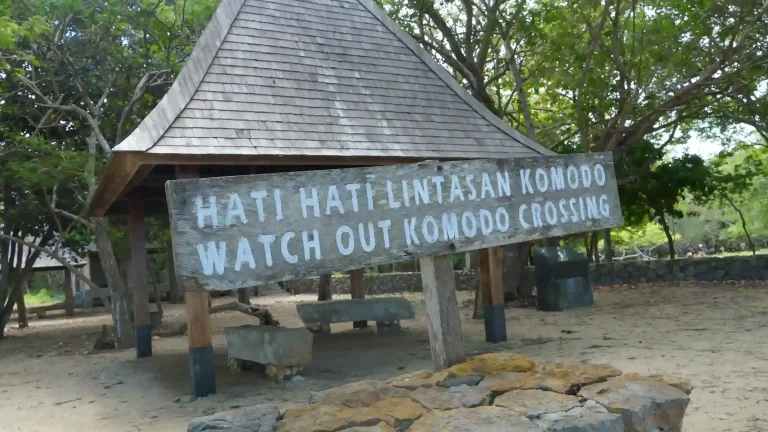
Rinca Island Visitor Quota: How the Daily Limit Works
Komodo National Park limits visitors to 1,000 people per day across the whole park, split into three scheduled sessions of…
Travel Journal
Preparing for a Rinca Island Expedition
Preparing for a Rinca Island expedition means covering four areas before you leave home: physical readiness for a heat-exposed trek,…