
Supporting Communities around Rinca Island
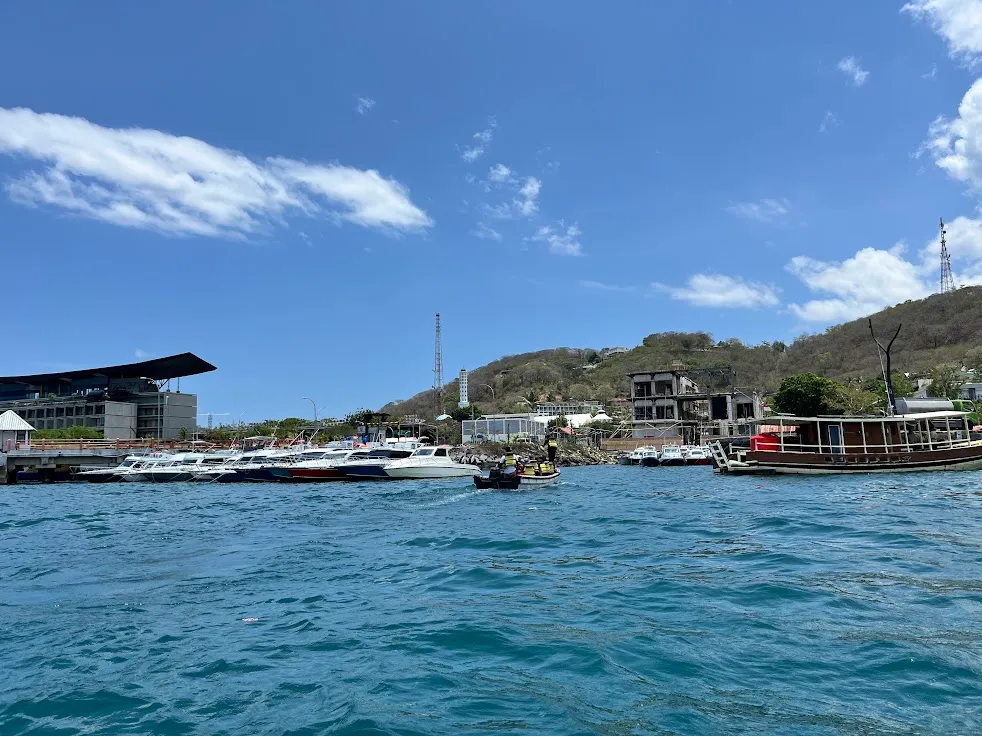
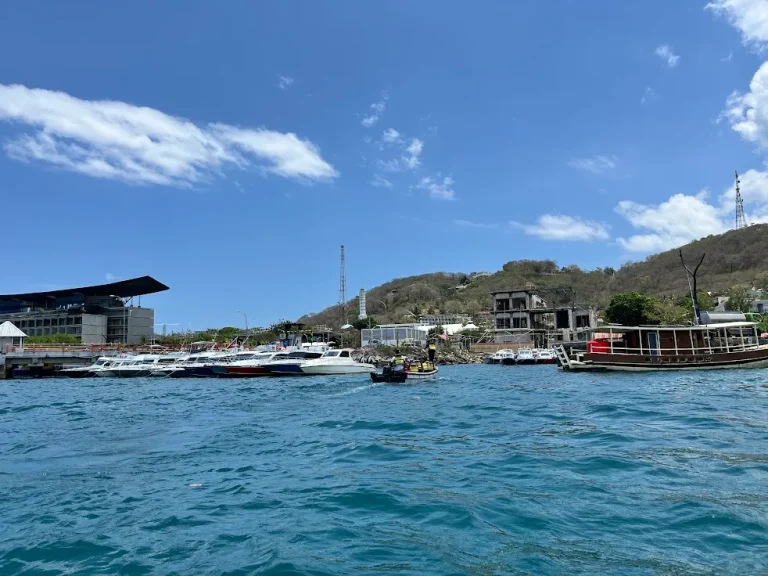
Getting the geography right matters here: the Loh Buaya ranger station and trekking zone that visitors see on a Rinca Island trip has no resident population beyond park staff. Separately, a small fishing settlement exists elsewhere on Rinca Island, away from the visitor trekking area, predating the national park’s establishment — but it is not part of the tourist circuit and this guide does not have detailed, sourced information about its specific economy to report. The community most directly connected to your tourism spending is in Labuan Bajo on Flores, where the boat, guiding, and hospitality economy that supports a Rinca trip is actually based.
- The Loh Buaya visitor zone itself has no resident community beyond ranger staff — that part of the homepage claim is accurate.
- A separate small fishing settlement exists elsewhere on Rinca island, outside the tourist zone; we do not have detailed sourced data on it to report here.
- The community most directly reached by your tourism spending is Labuan Bajo on Flores.
Last updated: 25 August 2026
Getting the Geography Right
It is easy to conflate “Rinca Island” as a whole with the specific Loh Buaya ranger station and trekking zone that almost every visitor experiences. The trekking zone genuinely has no resident population beyond national park staff. Separately, a small fishing settlement exists on another part of Rinca island, in an enclave that predates the park’s formal conservation boundaries, similar to enclave villages found in other Indonesian national parks established around pre-existing communities. This guide does not have detailed, dated, sourced information about that settlement’s population or economy to responsibly report here, and does not want to generalize or embellish what we have not verified. What we can speak to accurately is the community most directly touched by Rinca Island tourism: Labuan Bajo.
Labuan Bajo: Where Tourism Income Actually Lands
Nearly every dollar spent on a Rinca Island trip — the boat charter, the guide, the hotel night before or after, the meal at a harbor-front restaurant — flows through Labuan Bajo’s economy on the Flores mainland. This town has grown rapidly around the Komodo National Park tourism industry, and its guiding, crewing, hospitality, and small-business sectors are the most direct, verifiable beneficiaries of a well-spent tourism dollar connected to a Rinca trip.
Practical Ways to Support Local Livelihoods
- Choose operators that hire local Labuan Bajo crew and guides rather than exclusively fly-in staff, where you have the choice and information to check.
- Eat and shop locally in Labuan Bajo beyond your boat’s included meals — harbor-front restaurants and local markets are a direct, simple way to put money into the local economy.
- Tip crew and guides directly and fairly for the specific service you received, rather than assuming a service charge already covers this — ask your operator about their tipping norms if unsure.
- Book through operators transparent about their local hiring and sourcing practices rather than assuming a marketing claim about “community impact” reflects an audited standard.
What This Guide Will Not Do
We will not invent details about the on-island fishing settlement’s population, income, or needs simply to make this page feel more complete — doing so would be exactly the kind of unverified claim this guide’s research methodology exists to prevent. If you are researching that specific community for academic, journalistic, or NGO purposes, the appropriate next step is contacting the Komodo National Park Authority or established Flores-based community organizations directly, not relying on a travel guide’s secondhand summary.
Why This Distinction Matters
Blurring “Rinca Island” (the whole landmass) with “the Loh Buaya trekking zone” (the specific tourist area) produces two different kinds of errors in either direction: claiming the whole island is uninhabited erases a real community elsewhere on it, while claiming villages exist inside the tourist trekking zone contradicts what every visitor actually sees at Loh Buaya and misrepresents the park’s own conservation zoning. Getting this right is not a minor pedantic point — it is the difference between describing the island accurately and either erasing or fabricating a community that does or does not exist in a specific place.
Beyond Tipping: Longer-Term Ways to Contribute
Travelers wanting a deeper connection to Flores communities beyond a single trip sometimes look into Labuan Bajo-based social enterprises, local guiding cooperatives, or community-run guesthouses as an alternative or complement to larger hotel chains. This guide does not endorse or vet specific organizations here, since doing so responsibly requires more current, direct research than a general travel page can provide — but the principle of directing spending toward locally owned Labuan Bajo businesses rather than exclusively international chains is a straightforward one any visitor can apply.
Asking Your Operator the Right Questions
Before booking, it is reasonable to ask a boat operator directly what proportion of their crew and guides are locally based, whether tips are pooled and distributed to the full crew or only to the guide, and whether meals or supplies are sourced from Labuan Bajo vendors. Operators with a genuine local-hiring practice are usually happy to answer specifically; vague answers to a specific question are worth noting.
Frequently Asked Questions
Does anyone live in the Rinca Island trekking zone tourists visit?
No. The Loh Buaya ranger station and trekking area has no resident population beyond national park staff.
Is there a village anywhere on Rinca Island?
A small fishing settlement exists elsewhere on the island, outside the visitor trekking zone; this guide does not have detailed, sourced information on it to report responsibly.
How does my tourism spending support local communities?
Most directly through Labuan Bajo’s economy on Flores, where the boat, crew, guiding, and hospitality industry connected to a Rinca trip is actually based.
Can I visit the fishing settlement on Rinca Island as a tourist?
This is not part of the standard tourist circuit, and we do not have verified information to recommend or describe such a visit here.
What is the best way to make sure my trip benefits local people?
Choose operators transparent about local hiring, eat and shop in Labuan Bajo beyond your boat’s included meals, and tip crew and guides directly and fairly.
Why do some articles say Rinca Island is uninhabited and others mention villages?
Both can be true depending on which part of the island is described — the Loh Buaya trekking zone has no residents beyond rangers, while a separate settlement exists elsewhere on the island.
Related Rinca Island Guides
- Diving Around Rinca: Castle Rock, Crystal Rock, Batu Bolong
- Romantic Cruises Around Rinca & Komodo
- Currents, Jellyfish & Marine Hazards around Rinca
- Anchoring & Mooring Rules around Rinca Island
Book with Komodo Luxury, an Operator Rooted in Labuan Bajo
Ask Komodo Luxury about crew and guide hiring practices before you book.
Keep Reading
Travel Journal
Photographing Rinca Island: Gear, Light & Ethics
For photographing Rinca Island, a mid-range zoom (roughly 70-200mm equivalent) covers both wildlife at a safe distance and landscape shots…
Travel Journal
Rinca Island Visitor Quota: How the Daily Limit Works
Komodo National Park limits visitors to 1,000 people per day across the whole park, split into three scheduled sessions of…
Travel Journal
The Future of Eco-Tourism on Rinca Island
Last updated: August 25, 2026. Eco-tourism on Rinca Island is shaped by a straightforward tension that isn't going away: the…