
Rinca Diving Spots: A Site-by-Site Guide
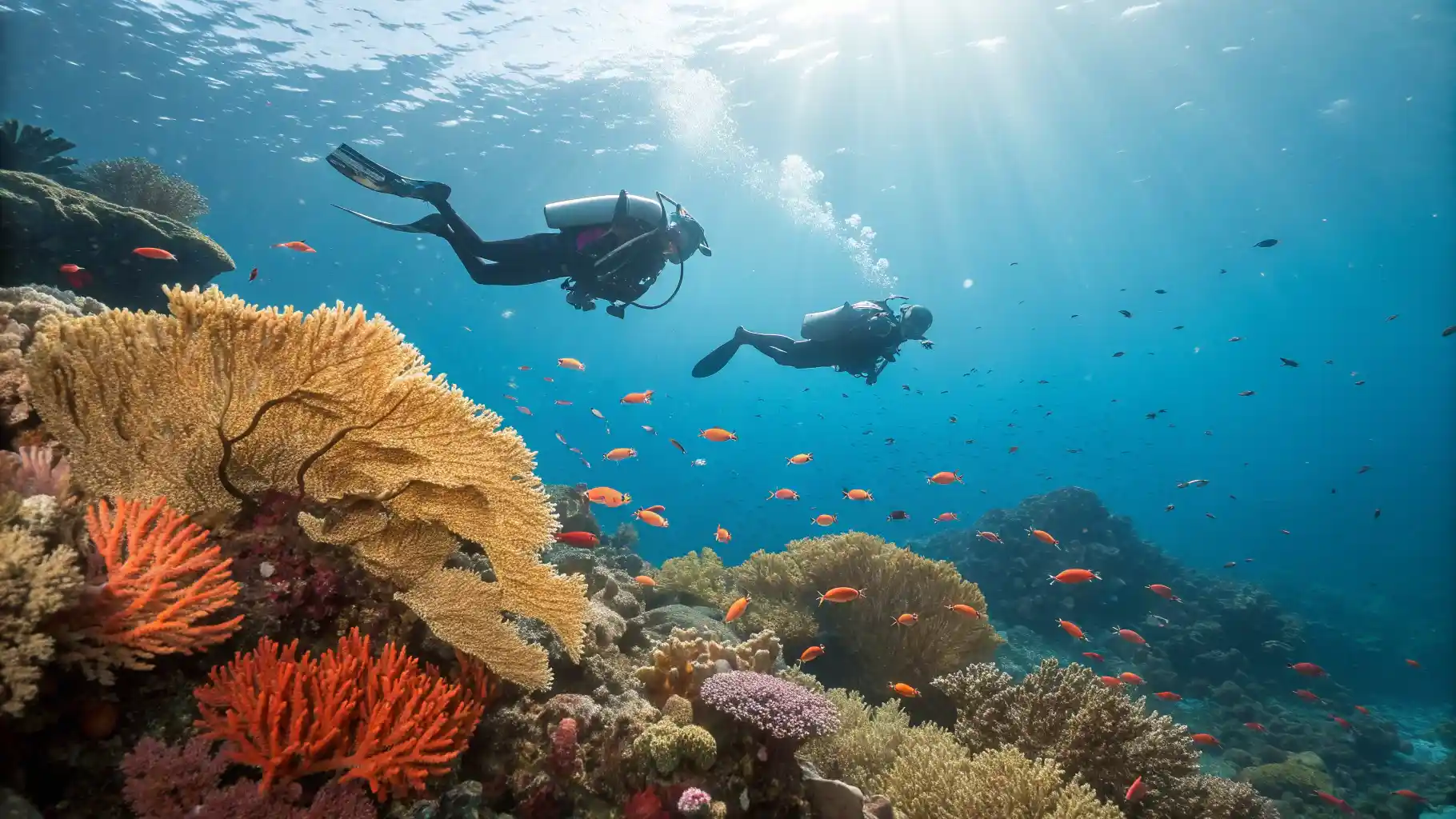
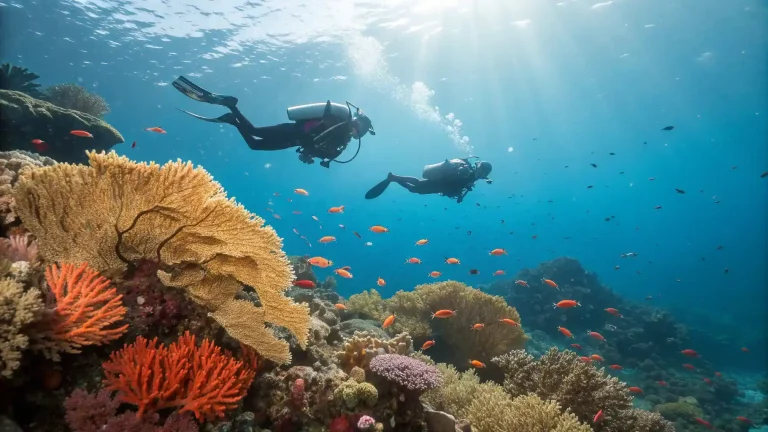
The waters around Rinca and its immediate neighbors — particularly the Horseshoe Bay area near Nusa Kode and Gili Kode, home to sites like Cannibal Rock and Torpedo Point — hold some of Komodo National Park’s richest muck and macro diving, distinct from the big-current pelagic sites further north near Komodo Island itself. This page goes site by site rather than treating “Komodo diving” as one undifferentiated experience.
- Sites genuinely near Rinca (Cannibal Rock, Torpedo Point, Manta Alley) suit macro and soft-coral diving.
- Sites elsewhere in the wider park (Castle Rock, Crystal Rock, Batu Bolong) are for stronger-current pelagic diving, reachable on multi-day routes, not claimed as “at Rinca.”
- Water temperature and visibility genuinely vary by site and season — this page does not average them into one meaningless number.
Last updated: 25 August 2026
Cannibal Rock (Horseshoe Bay, near Nusa Kode)
One of the most celebrated muck-diving sites in Komodo National Park, Cannibal Rock sits in the Horseshoe Bay area south of Rinca, near Nusa Kode. It is known for dense soft-coral coverage, a huge variety of nudibranchs, frogfish, and other macro subjects, plus larger residents like sweetlips schools. Conditions here are generally calmer than the strong-current sites further north, making it approachable for divers who prioritize macro photography over drift-diving thrills.
Torpedo Point (near Cannibal Rock)
Close to Cannibal Rock within the same Horseshoe Bay system, Torpedo Point offers a similar macro-rich profile with additional interest from torpedo (electric) rays occasionally spotted on the sandy bottom, alongside comparable soft-coral and reef-fish diversity.
Manta Alley (south of Rinca/Komodo, near Mawan)
Manta Alley is a well-known manta ray cleaning-station site in the southern part of the park, offering a genuine chance of manta encounters distinct from the more northerly Manta Point (Karang Makassar) site that many day-trip itineraries visit. Conditions can include surge and occasional strong current, so this site suits divers comfortable with more dynamic water movement.
Sites Further Afield: Castle Rock, Crystal Rock, Batu Bolong
These are genuinely excellent Komodo National Park dive sites, but they sit in the northern part of the park near Komodo Island rather than adjacent to Rinca itself — they are typically included on multi-day liveaboard routes rather than a Rinca-focused day trip. Castle Rock and Crystal Rock are known for strong current, large schools of trevally and fusiliers, and grey reef shark sightings; Batu Bolong is a compact pinnacle known for vivid soft-coral color and a high concentration of reef fish in a small area. If a multi-day itinerary is on your radar, see our 3-day luxury itinerary for how a Rinca trek can combine with a broader dive-focused route.
| Site | Character | Best suited to |
|---|---|---|
| Cannibal Rock | Macro, soft corals, calmer current | Macro photographers, relaxed diving |
| Torpedo Point | Macro, occasional torpedo rays | Macro photographers |
| Manta Alley | Manta cleaning station, some surge/current | Manta encounters, comfortable with dynamic water |
| Castle Rock / Crystal Rock | Strong current, pelagics, sharks | Experienced drift divers, multi-day itineraries |
| Batu Bolong | Compact pinnacle, dense reef fish, vivid coral | Photographers, multi-day itineraries |
Snorkeling vs Scuba Near Rinca
Most standard Rinca day-trip itineraries (see the day-trip itinerary most operators run) include a snorkeling stop rather than a scuba dive, at a site selected for calmer, shallower conditions suitable without dive certification. Divers wanting the sites described above should specifically request a dive-inclusive itinerary or a liveaboard route built around diving, since not every boat operating day trips carries dive equipment or a dive-qualified guide.
When to Dive These Sites
Visibility and current conditions across this part of the park vary meaningfully by season, with the dry season generally offering more consistent visibility than the wet months (see our rainy season guide for the broader seasonal pattern). Current-dependent sites like Manta Alley, Castle Rock, and Crystal Rock are best planned around tide tables your dive operator will manage directly, rather than a fixed calendar recommendation.
Why Muck Diving Near Rinca Is Underrated
Komodo National Park is often marketed around its dramatic current-swept pelagic sites, which can overshadow the genuinely excellent macro diving available closer to Rinca. Muck diving rewards patience and a slower pace over the drift-and-current excitement of sites further north, and photographers specifically interested in nudibranch diversity or frogfish often find the Horseshoe Bay sites more productive per dive than the current-dependent pelagic locations, where sightings can be more a matter of timing and luck.
Combining Diving With the Rinca Trek
A multi-day itinerary built around both diving and the Rinca Komodo dragon trek is a natural pairing, since the boat is already transiting the same general waters. Structure the itinerary so the trek happens in a morning session (see our session guide for timing detail) and diving fills the remaining daylight hours, rather than trying to compress both into a single rushed day trip better suited to snorkeling than scuba.
Frequently Asked Questions
What are the best dive sites near Rinca Island?
Cannibal Rock and Torpedo Point in the nearby Horseshoe Bay area (near Nusa Kode) are the sites genuinely closest to Rinca, known for macro and soft-coral diving.
Are Castle Rock and Crystal Rock near Rinca Island?
No, they sit in the northern part of Komodo National Park near Komodo Island, typically visited on multi-day liveaboard routes rather than a Rinca-focused day trip.
Can I dive during a standard Rinca day trip?
Most standard day trips include snorkeling rather than scuba diving; request a dive-inclusive itinerary specifically if diving is your priority.
What marine life can I expect at Cannibal Rock?
Dense soft-coral coverage, a wide variety of nudibranchs and other macro subjects, frogfish, and sweetlips schools, in generally calmer conditions than the park’s strong-current sites.
Is Manta Alley the same as Manta Point?
No, they are different sites. Manta Point (Karang Makassar) is further north near Komodo Island and is the site most day-trip snorkeling stops visit; Manta Alley is a separate southern site.
Do I need dive certification for these sites?
Yes, for the scuba sites described here; snorkeling alternatives exist at calmer, shallower locations on standard day-trip itineraries.
Is muck diving near Rinca suitable for beginners?
Cannibal Rock and Torpedo Point’s generally calmer conditions make them more approachable than the park’s strong-current sites, though a dive operator should still assess your certification level and experience directly.
Can a single trip combine the Rinca trek and multiple dive sites?
Yes, this works best on a multi-day itinerary rather than a single day trip, since it allows the trek and diving to each get proper time without rushing either.
Related Rinca Island Guides
- Birdwatching on Rinca Island: Species & Best Spots
- Diving Around Rinca: Castle Rock, Crystal Rock, Batu Bolong
- Rinca’s Underwater Highlights: Diving & Snorkelling
Quick Facts & Related Questions
- Figures and regulations here are cross-checked against the government’s own PP No. 36/2024 fee schedule and the SiOra booking rules in force park-wide since April 2026.
Build a Dive-Inclusive Rinca Itinerary
Tell Komodo Luxury if diving specific sites matters to your trip and their team will plan around it.
Keep Reading
Travel Journal
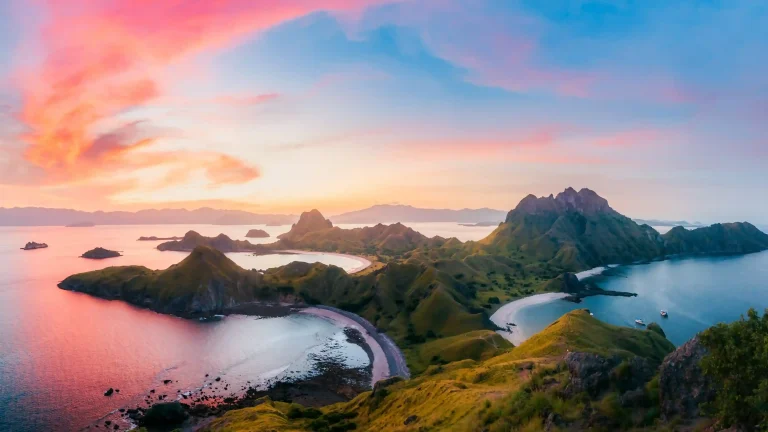
Photographing Rinca Island: Gear, Light & Ethics
For photographing Rinca Island, a mid-range zoom (roughly 70-200mm equivalent) covers both wildlife at a safe distance and landscape shots…
Travel Journal
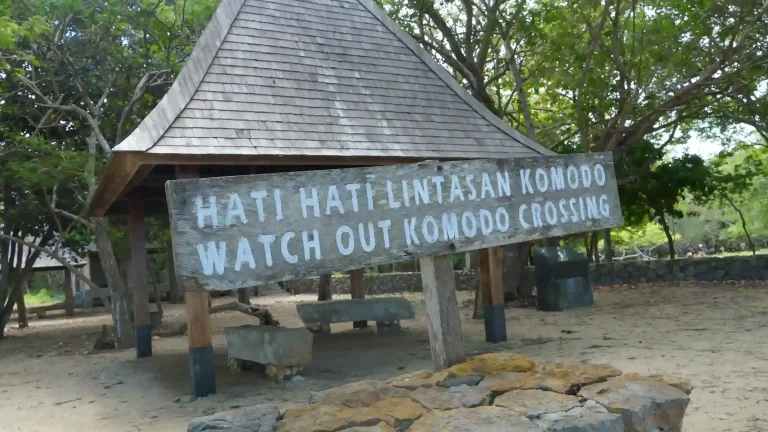
Rinca Island Visitor Quota: How the Daily Limit Works
Komodo National Park limits visitors to 1,000 people per day across the whole park, split into three scheduled sessions of…
Travel Journal
The Future of Eco-Tourism on Rinca Island
Last updated: August 25, 2026. Eco-tourism on Rinca Island is shaped by a straightforward tension that isn't going away: the…