
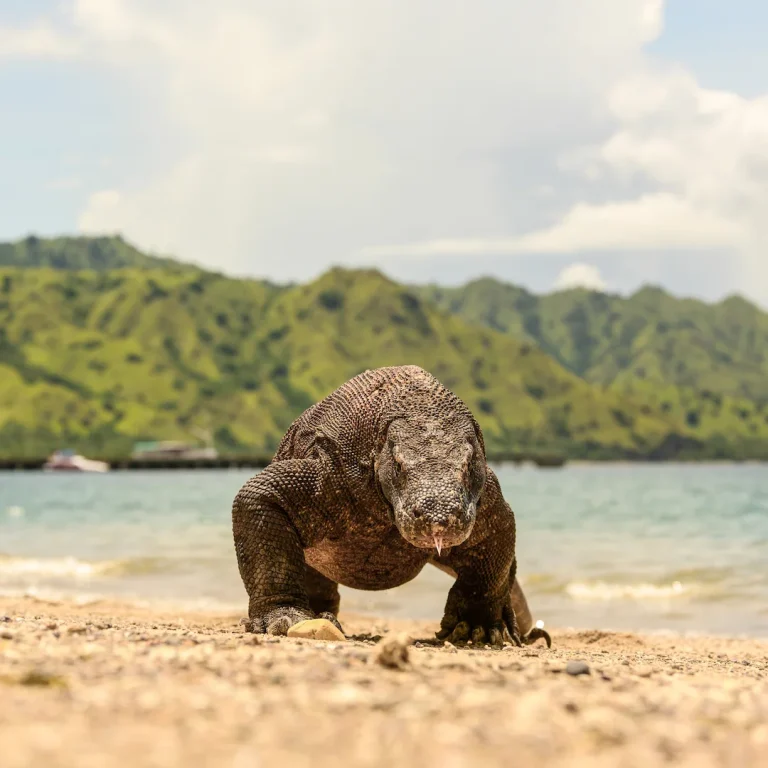
Rinca Island’s Evolving Tourism Landscape
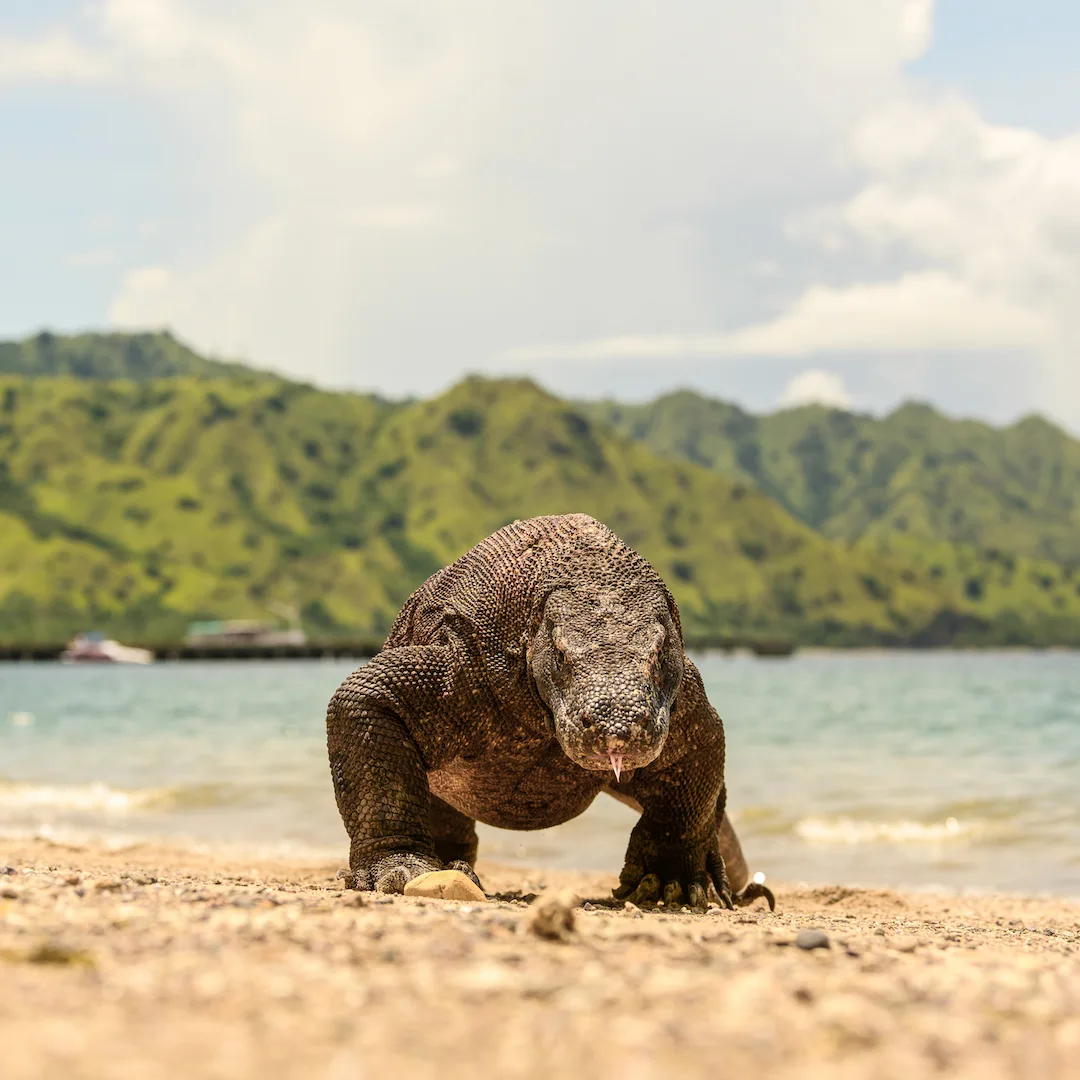
Rinca Island’s tourism industry has shifted meaningfully in recent years: a mandatory SiOra booking system since April 2026, a settled fee structure under PP No. 36/2024 after several disputed proposals, and steadily growing operator capacity in Labuan Bajo to serve rising visitor numbers. This overview looks at the industry side — operators, policy, and capacity — rather than the visitor experience itself.
- How park policy and management have evolved
- What’s changed in operator capacity and competition
- What pressures the industry is currently navigating
Rinca Island sits at the centre of a genuinely fast-growing tourism economy in Labuan Bajo, and the operational and policy landscape around it has shifted substantially over the past several years. This page looks at that shift from an industry perspective — for the visitor-facing “what to expect” angle, see our companion piece.
Policy evolution: from ad-hoc fees to a structured system
Between 2022 and 2026, Komodo National Park moved through several distinct policy phases: a proposed premium conservation fee in 2022 that was withdrawn after industry pushback, a period of tariff management by regional operator PT Flobamor that drew public criticism and was later reversed, the current fee structure under PP No. 36/2024, and the SiOra digital booking system introduced in 2026. Each phase reflects an attempt to balance conservation funding and visitor management against Labuan Bajo’s dependence on affordable, predictable tourism access. See our dated timeline of regulation changes for the full sequence.
Growth in operator capacity
Labuan Bajo’s fleet of tour operators, from simple day-boat businesses to full liveaboard and yacht charter companies, has expanded considerably alongside rising visitor numbers, driven by growing international awareness of Komodo National Park as a bucket-list destination and improved flight connectivity to Komodo Airport. This growth has increased competition and choice for travellers but has also raised the industry-wide importance of consistent safety standards and conservation compliance, since a larger number of operators makes uneven practice more likely without active enforcement.
Managing visitor volume without unlimited growth
The SiOra system and daily quota represent the park authority’s current answer to a structural tension: tourism revenue supports both the local economy and conservation funding, but unlimited visitor growth threatens the very ecosystem drawing visitors in the first place. Rather than raising prices sharply (the approach attempted and reversed in 2022-2024), the current system manages volume directly through booking limits, a lower-friction approach for average travellers even as it requires more advance planning than the old walk-in model.
What pressures the industry is currently navigating
Balancing affordability against conservation funding needs remains an ongoing tension, given how visibly the 2022 premium-fee proposal and 2023-2024 tariff dispute played out in public. Climate variability affecting sea conditions and trip scheduling reliability is a growing operational concern across the industry, not unique to any single operator. And competition among a growing operator base means service quality and safety standards vary more than in a smaller, more established market, which is part of why we encourage travellers to vet operators carefully on safety and transparency rather than price alone — see our day trip operator selection guide for the specific questions worth asking.
Economic role of Rinca Island tourism in Labuan Bajo
Komodo National Park tourism, with Rinca as one of its two primary dragon-viewing sites alongside Komodo Island, underpins a meaningful share of Labuan Bajo’s local economy — boat operators, hospitality, hospitality staff, retail, and transport all depend substantially on visitor flow tied to the park. This economic dependence is part of why fee policy changes generate such visible public debate locally; a premium fee proposal that reduces visitor numbers has real, immediate income consequences for a town whose economy has grown around this specific tourism sector over roughly the past decade.
Where the industry appears to be heading
The direction since 2024-2026 suggests a preference for volume management (quotas, sessions, booking systems) over aggressive price increases as the primary conservation-funding lever, likely reflecting the lessons of the 2022-2024 tariff disputes. Continued growth in flight connectivity to Labuan Bajo and broader international awareness of Komodo National Park suggest visitor demand is likely to keep growing, which will continue testing how well the current quota system balances access against ecosystem protection. We do not have a verified forecast to cite for future visitor numbers, so we won’t speculate with invented figures — but the underlying tension between growth and conservation capacity is likely to remain the central policy question for Rinca Island tourism for the foreseeable future.
What this means for you as a traveller
In practice: book further ahead than you might for a more mature, less rapidly evolving destination, expect booking and fee rules to potentially shift again before your travel date if it’s far in the future, and choose operators based on demonstrated safety and transparency practices rather than assuming uniform quality across a fast-growing market.
Frequently Asked Questions
How has Rinca Island tourism policy changed recently?
Policy moved from a proposed 2022 premium fee (withdrawn) through a disputed 2023-2024 tariff period, to the current PP No. 36/2024 fee structure and the 2026 SiOra booking system.
Why did Komodo National Park introduce the SiOra booking system?
To manage visitor volume through a structured daily quota rather than relying on price increases alone, following public pushback against earlier premium-fee proposals.
Has the number of tour operators in Labuan Bajo grown recently?
Yes, operator capacity has expanded considerably alongside rising visitor demand and improved flight connectivity, increasing both choice and the importance of careful operator vetting.
Is the current fee and booking system likely to change again?
Given the frequency of change since 2022, further adjustments are plausible over time. We update this site whenever a dated, sourceable change actually takes effect.
Does more competition among operators mean better quality?
Not automatically. A larger operator base increases the range of quality and safety standards, making careful vetting more important, not less.
For a visitor-focused overview of what to expect on your trip, see our Rinca Island hub guide, or book with a vetted operator through Komodo Luxury. WhatsApp: +62 811-3823-875.
Last updated: August 25, 2026.
Related Rinca Island Guides
- The Future of Eco-Tourism on Rinca Island
- Rinca Island Cost: Full Budget Breakdown
- Rinca Island FAQ: 100 Questions Answered
Quick Facts & Related Questions
- In short: a boat-only island inside Komodo National Park, entered exclusively through Loh Buaya, with fees fixed by national regulation rather than by operator.
As regulations, quotas, and operator capacity around Rinca continue to shift, it helps to work with providers already aligned with SiOra and current park policy. Komodo Luxury’s range of Komodo sailing packages, from a structured one-day Komodo sailing trip to longer itineraries built around a Komodo liveaboard, reflects these operational realities and can be a practical next step if you are now looking at specific sailing dates and routes.
Keep Reading
Travel Journal
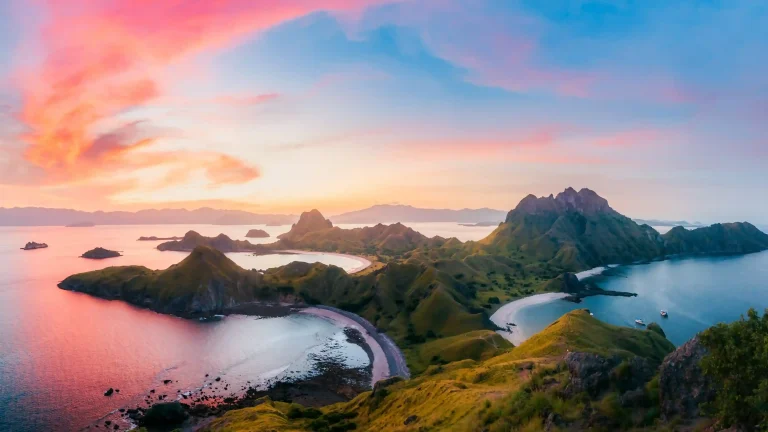
Photographing Rinca Island: Gear, Light & Ethics
For photographing Rinca Island, a mid-range zoom (roughly 70-200mm equivalent) covers both wildlife at a safe distance and landscape shots…
Travel Journal
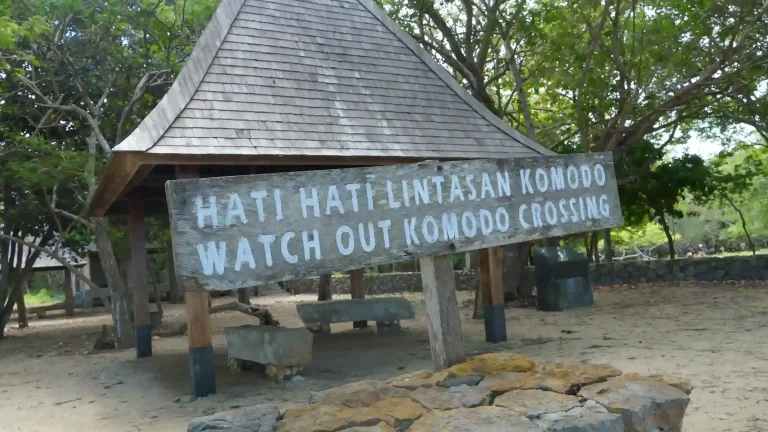
Rinca Island Visitor Quota: How the Daily Limit Works
Komodo National Park limits visitors to 1,000 people per day across the whole park, split into three scheduled sessions of…
Travel Journal
The Future of Eco-Tourism on Rinca Island
Last updated: August 25, 2026. Eco-tourism on Rinca Island is shaped by a straightforward tension that isn't going away: the…