
3-Day Luxury Rinca Island Itinerary
A 3-day luxury Rinca Island itinerary means a private phinisi charter, ensuite cabins, a dedicated crew, and a Rinca dragon trek folded into a wider Komodo National Park route — not a different park experience, but a different vessel and pace. Current published Komodo Luxury liveaboard rates for a 3-day private charter run roughly USD 6,200-16,000 for the boat (2026 pricing, group-size banded), covering the vessel, crew, meals, and guided excursions.
- The luxury variant is the vessel and service level, not a different set of Rinca activities.
- Every amenity described below is anchored to the boat or to Labuan Bajo — never to a structure on Rinca itself.
- Real pricing: roughly USD 6,200-16,000 for a 3-day private charter, per Komodo Luxury’s published 2026 rates.
Last updated: 29 August 2026
What Makes This Itinerary “Luxury”
The Rinca Island trek itself is identical for every visitor — the same ranger, the same trail, the same rules (see the ranger rules that apply to everyone). What changes on a luxury 3-day itinerary is everything around it: a private phinisi with ensuite cabins rather than a shared speedboat seat, a dedicated chef and crew rather than a packed lunch, and a custom-paced route across three days rather than a single compressed day. See our companion page on Rinca Island private trip for the mechanics of private charter pricing that underpin this itinerary.
Day 1: Departure and Rinca Dragon Trek
Board your chartered phinisi at Labuan Bajo harbor in the morning. On a private charter, your ranger-led Rinca trek is scheduled to your preferred timing rather than a fixed shared departure — many luxury itineraries choose the first available session for cooler temperatures and better light (see our sunrise and sunset session guide for more on timing). Return to the boat for a chef-prepared lunch, then a relaxed afternoon transit toward the evening anchorage, with the option of an early-evening snorkel stop depending on conditions.
Day 2: Padar Viewpoint and Marine Stops
A sunrise hike up Padar Island’s viewpoint (see our combined Rinca and Padar itinerary for route detail), followed by a full day dedicated to the park’s marine highlights — snorkeling or diving at a reef site, and potentially a manta ray viewing stop depending on season and route. On a private multi-day charter, the boat itself is your accommodation for the night, anchored offshore rather than returning to a land hotel.
Day 3: Final Stops and Return to Labuan Bajo
A final morning stop — commonly Kalong Island for a wildlife-viewing pass, or an additional snorkel site — before the return transit to Labuan Bajo harbor, typically arriving in the early-to-mid afternoon in time for onward flights.
| Day | Focus | Overnight |
|---|---|---|
| 1 | Rinca Komodo dragon trek, afternoon transit | Aboard the chartered phinisi, at anchor |
| 2 | Padar sunrise viewpoint, marine/diving stops | Aboard the chartered phinisi, at anchor |
| 3 | Final stop (e.g. Kalong Island), return to Labuan Bajo | N/A — trip ends, or continue to a Labuan Bajo hotel |
What “Luxury Onboard” Actually Means
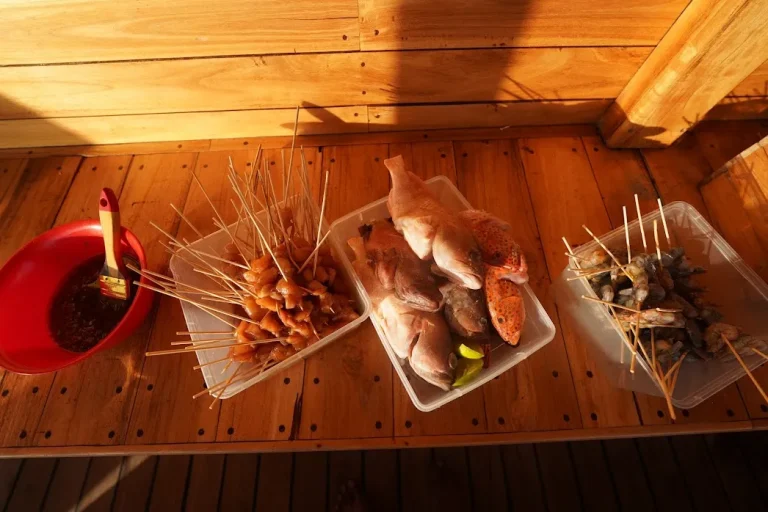
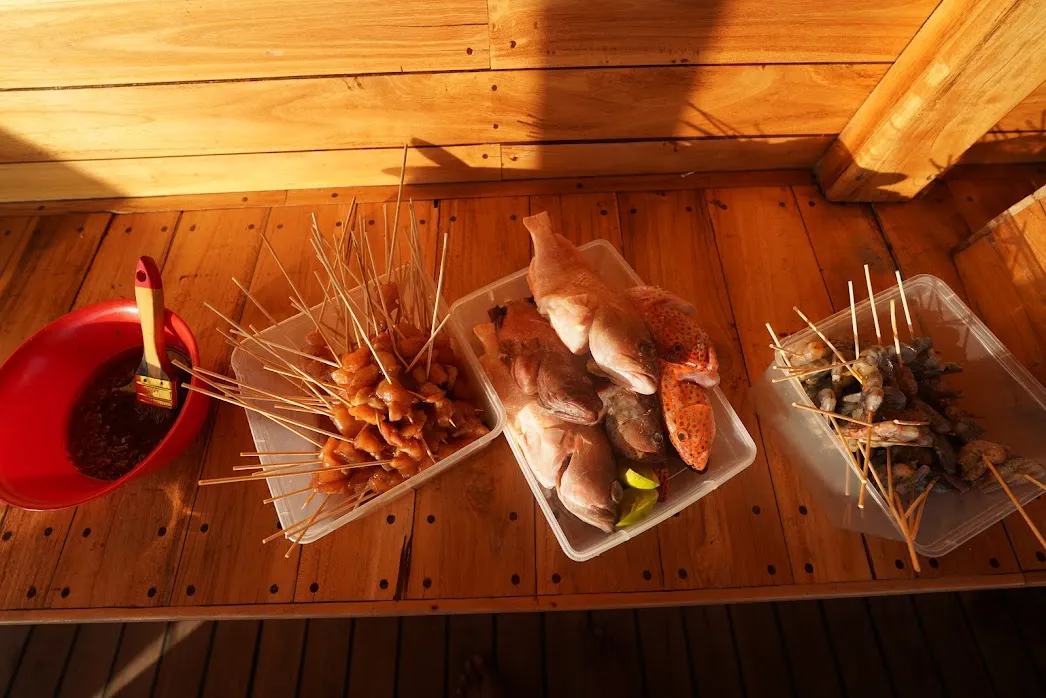
On a private phinisi charter at this tier, expect ensuite cabins with air conditioning, a dedicated chef preparing meals from a set or customizable menu, a crew handling all logistics between stops, and premium documentation (drone or professional photography) offered by some operators as part of the package. None of this is available, or exists, on Rinca Island itself — it describes the vessel, which is also where you sleep each night on this itinerary (see our accommodation page for why Rinca itself has no lodging of any kind).
Choosing the Right Vessel
Komodo Luxury’s current fleet spans entry-tier phinisi (around USD 5,300 per night) through VIP and expedition-class vessels (up to USD 27,000+ per night), each with different cabin counts and guest capacities — see the vessel comparison on Komodo Luxury’s liveaboard page. A smaller group benefits from a smaller vessel’s more intimate crew ratio; a larger family or friend group can spread the per-person cost across a bigger boat while still keeping the whole vessel private. Ask specifically about cabin configuration (twin vs double, ensuite bathroom size) since this varies meaningfully between entry-tier and premium vessels.
Photography and Documentation
Several operators, including Komodo Luxury on select packages, include drone, GoPro, or mirrorless photography documentation as part of a private charter. If capturing the trip professionally matters to you, confirm in advance whether raw footage is provided, whether a dedicated photographer accompanies the trek itself (subject to park rules on group size and ranger guidance), and what turnaround time to expect for edited material after your trip.
Who This Itinerary Suits
- Honeymoon and anniversary travelers wanting an exclusive, unhurried pace across the highlights of Komodo National Park.
- Small groups or families who have already decided a private multi-day charter over a shared open-trip cabin.
- Photographers wanting flexible timing at both the Rinca trek and the Padar viewpoint without a shared boat’s fixed schedule.
- Travelers extending a Bali trip who want the full Komodo National Park highlight reel condensed into three unhurried days rather than a single long day trip.
Frequently Asked Questions
How much does a 3-day luxury Rinca Island itinerary cost?
Roughly USD 6,200-16,000 for a private, whole-boat 3-day charter, per Komodo Luxury’s published 2026 liveaboard pricing, banded by group size.
Is the Rinca trek different on a luxury itinerary?
No, the trekking route, ranger protocol, and rules are identical for every visitor; what differs is the vessel, pace, and service level around the trek.
Where do you sleep on a 3-day luxury itinerary?
Aboard the chartered phinisi, anchored offshore each night — there is no accommodation on Rinca Island itself.
Can the 3-day itinerary be extended or shortened?
Yes, most operators can adjust the route length; see our 5-day and 7-day itinerary guides for longer options.
What is included in the luxury charter price?
Typically the vessel, dedicated crew, all meals, and guided excursions; park entrance and ranger fees, alcohol, and gratuities are usually separate — confirm specifics with your operator.
How many guests can a private phinisi accommodate?
It varies by vessel, from around 6-10 guests on entry-tier phinisi to over 20 on larger premium vessels; check specific cabin counts on the Komodo Luxury liveaboard page for the vessel you are considering.
Is this itinerary suitable for a honeymoon?
Yes, a private multi-day charter is a common honeymoon choice specifically because it avoids sharing the boat, the trek, and the schedule with strangers.
Related Rinca Island Guides
- 3-Day Rinca & Komodo Itinerary from Labuan Bajo
- One Day on Rinca: The Dragon-Focused Itinerary
- 5-Day Rinca & Komodo Sailing Itinerary
- 7-Day Komodo & Rinca Expedition Itinerary
Quick Facts & Related Questions
- Even across three days, the trekking format does not change: every walk at Loh Buaya is ranger-guided along one of three marked loops, with no option to hike independently.
- If a 3-day itinerary includes younger children, plan around the shortest ranger-led loop at Loh Buaya — heat and the length of the boat days are the real limiting factor for toddlers, not the dragon trekking.
Book a 3-Day Private Rinca Island Charter with Komodo Luxury
Tell Komodo Luxury your preferred dates and group size for a private phinisi quote.
Most travellers who settle on a 3-day luxury Rinca route use it as part of a wider Komodo liveaboard, combining dragon treks with snorkelling, quiet bays and time in Labuan Bajo. If your dates or group size call for a different format, Komodo Luxury also offers a flexible private boat charter fleet and shorter one-day Komodo sailing trip options to match this itinerary’s pace and style.
Keep Reading
Itineraries & Routes
Half Day or Full Day on Rinca? Honest Comparison
A half-day trip covers Rinca Island alone: boat out, trek, boat back, done in roughly 4-6 hours including crossing time.…
Itineraries & Routes
How to Avoid Crowds on Rinca Island
The single best lever for avoiding crowds on Rinca Island is timing your arrival session — the park runs visits…
Itineraries & Routes
Beyond Rinca: Flores, Alor & Eastern Indonesia After Komodo
A Rinca Island trip departs from Labuan Bajo, which sits at the western tip of Flores — itself a large…