Rinca Island Guide
Komodo NP's Best-Kept Secret 📧 sales@indonesiajuara.asia 📞 +62 811 3941 4563 💬 WhatsApp

Updated: May 2026

Rinca Island — Komodo Dragon Trekking on Rinca: 30/60/90-Minut…

Rinca Island is a curated Indonesia luxury tourism experience offered by : handpicked routes, vetted operators, transparent pricing, and 24/7 concierge support across Indonesia.

  • What makes Rinca Island a premium experience.
  • How curates exclusive access and concierge logistics.
  • Routes, seasons, and pricing transparency — no hidden fees.

Komodo Dragon Trekking on Rinca Island

Three trail options, honest probability of dragon sightings, and everything you need to know before stepping off the boat at Loh Buaya.

Komodo dragon trekking on Rinca Island is the centerpiece of any Komodo National Park visit and the single best opportunity globally to encounter wild Komodo dragons in their natural habitat. Rinca hosts approximately 1,300 dragons, making it the second-largest dragon population in the park (after Komodo Island itself), but with measurably higher density per square kilometer (6.6 dragons/km² vs 6.0 on Komodo) and significantly fewer tourist crowds. This guide covers the three official trekking routes available at the Loh Buaya ranger station, what to expect on each, the ranger fees and permits, and the optimal strategy for maximizing dragon sightings.

The Loh Buaya Ranger Station: Your Trek Starting Point

All trekking on Rinca begins at Loh Buaya (“Crocodile Bay” in the Manggarai language), the official park entry point on the island’s eastern shore. Boats from Labuan Bajo dock at the wooden jetty, where visitors check in with park rangers, pay the entrance fee, and meet their assigned ranger guide (mandatory — independent trekking is not permitted within the park). The ranger station includes a small education center with dragon biology exhibits, basic restroom facilities, and a covered waiting area. The full check-in process typically takes 15-20 minutes from boat arrival. From the ranger station, three trail options branch out into the island interior.

The Three Trekking Routes Compared

Short Trek (30 minutes)

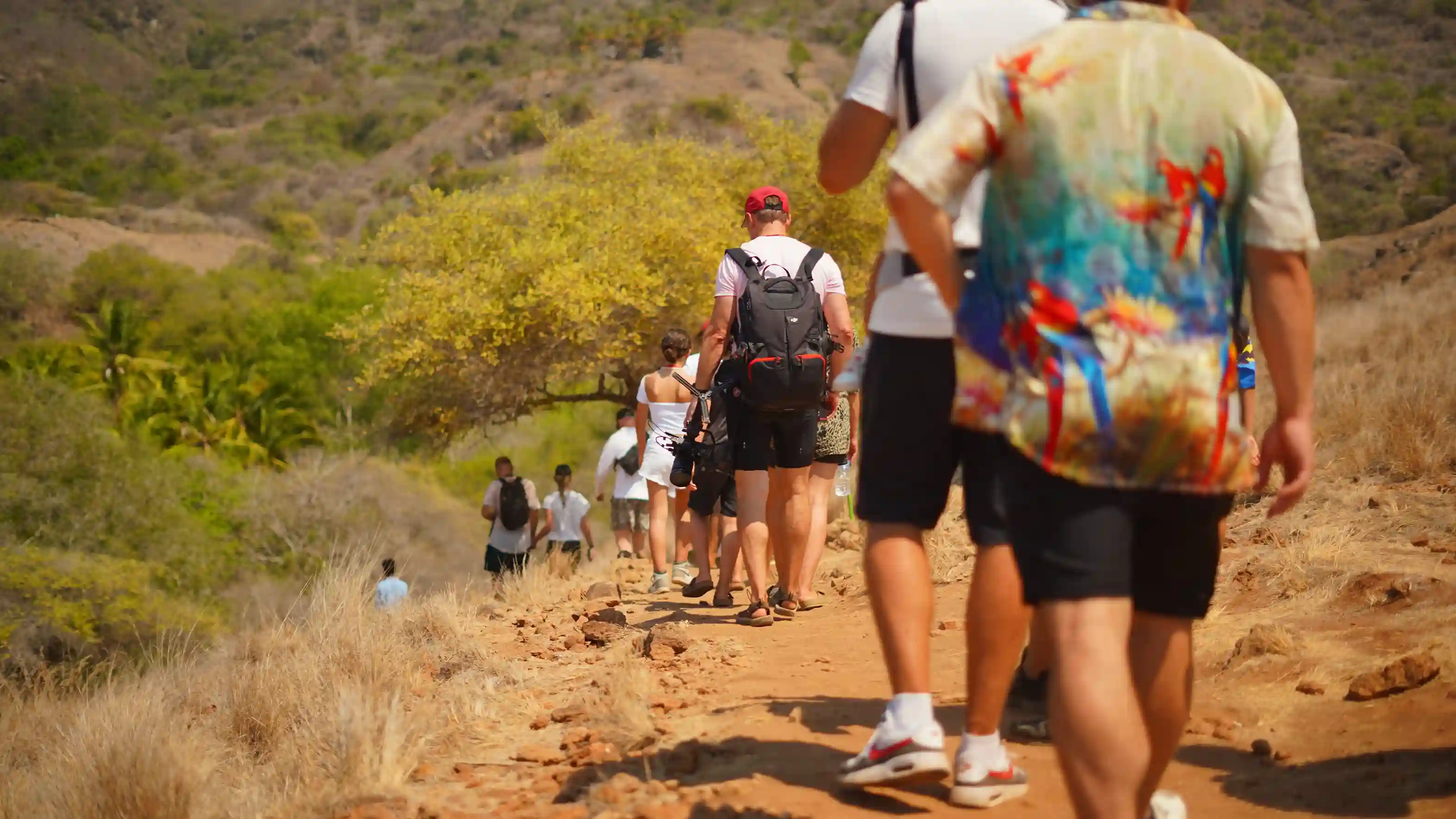
The shortest route loops near the ranger station and kitchen area, covering approximately 1.2 kilometers on flat terrain with minor undulations. Suitable for older travelers, families with children, and visitors with mobility limitations. The dragon sighting rate on this route is genuinely high (typically 4-8 dragons per trek) because the kitchen area historically attracted dragons that learned to associate human presence with food smells — though the rangers now strictly enforce a no-feeding policy and the dragons’ presence is becoming less concentrated near the kitchen. The short trek finishes near the boardwalk visitor area, with views of the surrounding bay. Best for: time-limited visitors, those wanting guaranteed dragon photos without exertion.

Medium Trek (60 minutes)

The most popular option, covering approximately 2.8 kilometers through grassland and gentle hill terrain. Includes a low ridge crossing with broad views of Loh Buaya bay and the surrounding archipelago, plus a forested section that often produces additional wildlife sightings (Timor deer, wild boar, monitor lizards beyond the dragons). Dragon sighting rate: 6-12 individuals per trek, with at least 2-3 typically being adult males in the 50-90 kilogram range. The medium trek hits the optimal balance between physical commitment and wildlife variety, and is recommended for first-time visitors who can manage moderate walking on uneven terrain. Total elevation gain approximately 80 meters.

Long Trek (90 minutes)

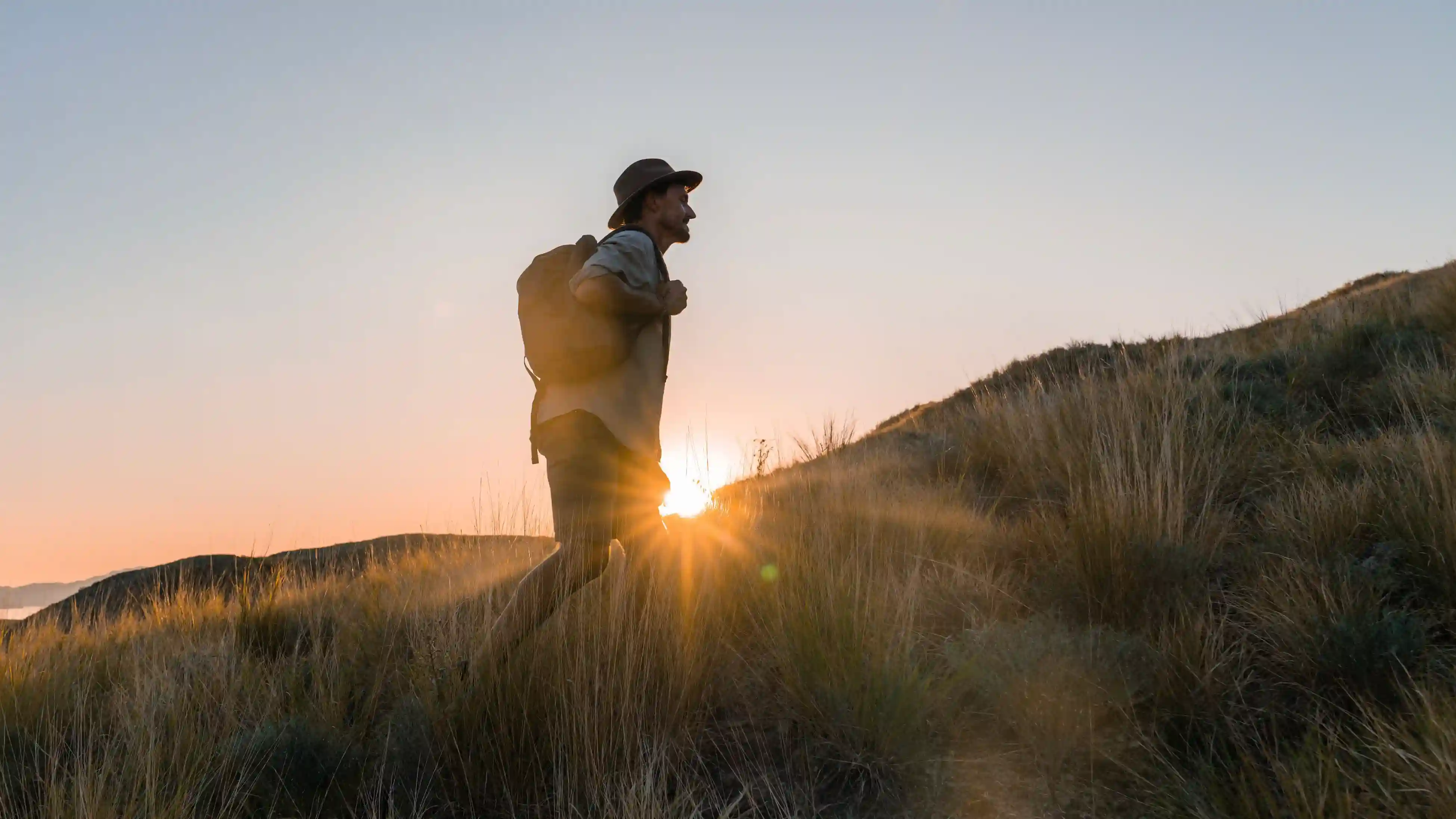
The most physically demanding option, covering approximately 4.2 kilometers with significant elevation gain (180 meters) to a ridge offering panoramic views of Padar Island in the distance. The trek passes through diverse habitats: coastal mangrove edges, savannah grassland, and partially forested upper slopes. Dragon sighting probability is similar to the medium trek (6-12 individuals), but the wildlife variety is substantially higher because the upper trail crosses less-traveled terrain. The ridge viewpoint at the trek’s halfway point is a photographer’s favorite for golden-hour Komodo NP imagery. Best for: serious wildlife photographers, fit visitors wanting deeper wilderness immersion, and those wanting to escape any remaining tourist concentration near the ranger station. Recommend morning starts to avoid midday heat (savannah temperatures regularly exceed 35°C from 11am onward).

Park Fees and Ranger Costs (2026 Rates)

  • Park entry fee: 150,000 IDR (~$10) per person on weekdays, 225,000 IDR (~$15) on weekends and Indonesian holidays
  • Ranger guide fee: 80,000 IDR (~$5) per group of 1-5 visitors
  • Camera fee: 50,000 IDR (~$3) per camera (waived for phone cameras)
  • Boat docking fee: 100,000 IDR (~$6) per boat (typically included in tour operator price)
  • Conservation surcharge: 100,000 IDR (~$6) per visitor (introduced 2024)
  • Total per visitor (typical): 380,000-460,000 IDR ($24-30)

Most tour operators include all park fees in their published prices. Always confirm before booking — cheap operators occasionally exclude fees and add them on the day, surprising visitors with extra cash demands at the ranger station.

Best Time of Day for Komodo Dragon Sightings

Komodo dragons are ectothermic (cold-blooded) reptiles whose activity levels correlate strongly with temperature. The optimal sighting window is the first 2-3 hours after sunrise (approximately 6:30am-9am), when ambient temperatures are still cool and dragons are actively moving to warm in the morning sun. By midday (11am-2pm) when temperatures peak, dragons typically retreat to shaded areas and become harder to find, although their lower mobility actually makes them easier to photograph if found. Late afternoon (4pm-5:30pm) sightings improve again as temperatures cool. Most operators schedule Rinca trekking for either early morning (boat departing Labuan Bajo at 5:30-6am, trek 7:30-9am) or late morning (boat at 9am, trek 10:30am-12pm). The early morning option produces measurably better wildlife encounters.

What to Bring on the Trek

  • Sturdy footwear — Closed-toe hiking shoes or trail runners. Sandals are not permitted (loose ankles are vulnerable to thorny terrain).
  • Long pants — Required regulation, both for thorny brush protection and to discourage dragons from focusing on visible legs.
  • Light long-sleeve shirt — Sun protection plus mosquito barrier in shaded forest sections.
  • Hat and sunglasses — Savannah sun is intense even in dry season.
  • Water — Minimum 1.5 liters per person, more for the 90-minute trek. No water sources on trail.
  • Camera — Either DSLR with 70-200mm telephoto or smartphone with 3x optical zoom. Dragons stay 4-8 meters from groups, so wide-angle lens shots will be unsatisfying.
  • Reef-safe sunscreen and insect repellent

Safety Around Komodo Dragons

Komodo dragons are apex predators capable of taking down water buffalo, deer, and occasionally each other. Documented attacks on humans are rare but real (the most recent fatality was in 2007 on Komodo Island, with several non-fatal attacks since). Safety guidelines that ranger guides will enforce: maintain 5+ meter minimum distance from dragons at all times, never run (triggers prey-pursuit instinct), do not approach a dragon that is feeding or has captured prey, do not separate from your group, do not visit during menstruation (dragons can detect blood from significant distances). Ranger guides carry forked sticks for dragon redirection and know individual dragon behavior patterns — follow their instructions strictly. The 90-minute trek route includes terrain where dragons may approach unseen; your ranger’s situational awareness is essential.

Plan Your Rinca + Komodo NP Trip

Day-trip booking, multi-day liveaboard arrangements, premium private boat charters from Labuan Bajo.

Email sales@indonesiajuara.asia
WhatsApp +62 811 3941 4563

As featured in
Conde Nast Traveler Travel + Leisure Robb Report Forbes Bloomberg
Member of Indonesia Travel Industry Association  ·  ASITA  ·  Licensed Indonesia tour operator (Kemenparekraf RI)
Scroll to Top