Are the Dragons Different on Rinca and Komodo?
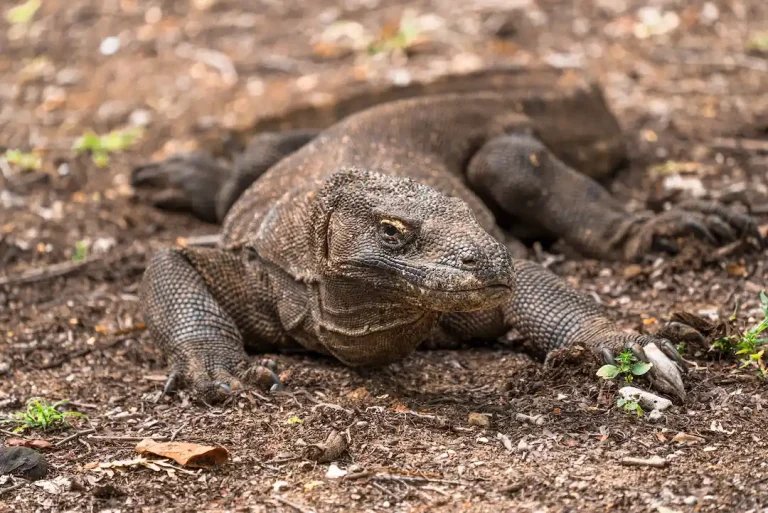
No — Komodo dragons on Rinca Island and Komodo Island are the same species, Varanus komodoensis, found nowhere else on Earth outside a handful of islands in this part of Indonesia (also including Flores and the smaller islets of Gili Motang and Nusa Kode). What genuinely differs between Rinca and Komodo is habitat character and visitor-encounter pattern, not the biology of the animal itself.
- Same species everywhere: Varanus komodoensis, endemic to this small cluster of Indonesian islands.
- The real difference is habitat and how encounters typically unfold, not the dragons themselves.
- Neither island is objectively “better” for dragons in a biological sense — the practical trip experience differs.
Last updated: 25 August 2026
One Species, Several Islands
Every Komodo dragon in the world, on Rinca, Komodo, Flores, Gili Motang, or Nusa Kode, is the same species: Varanus komodoensis. There is no separate “Rinca dragon” subspecies or distinct genetic population marketed or documented as meaningfully different from the Komodo Island population in any way that would change what a visitor sees or experiences. Claims implying a biologically distinct Rinca dragon are not accurate.
What Actually Differs: Habitat
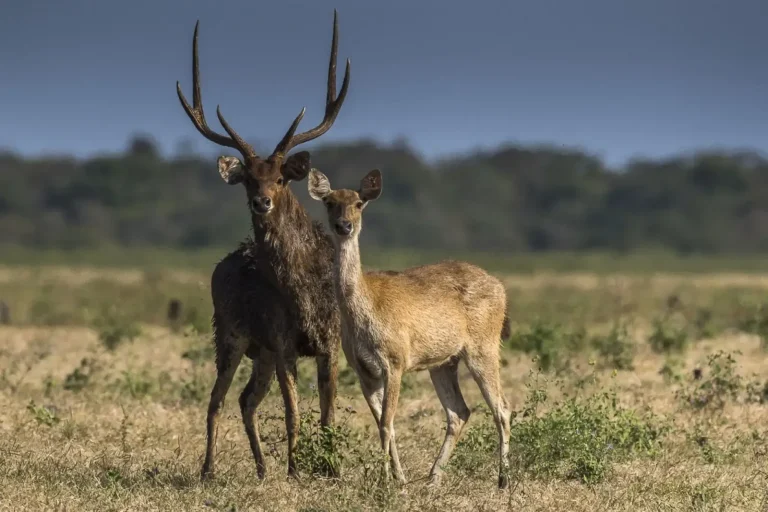
Rinca’s terrain around Loh Buaya combines dry savanna grassland, lontar palm stands, and low hills, described in detail with exact trail distances on our trek comparison page. Komodo Island’s terrain around its own ranger station carries a broadly similar dry-savanna character but with its own specific topography and trail layout. Neither island’s habitat is “better” for the species biologically — both support the same prey base (Timor deer, wild boar) that sustains the dragon population on each island.
What Actually Differs: Encounter Pattern
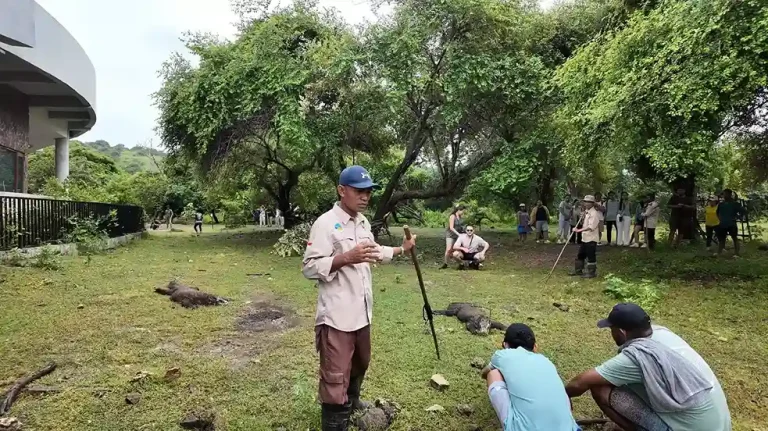
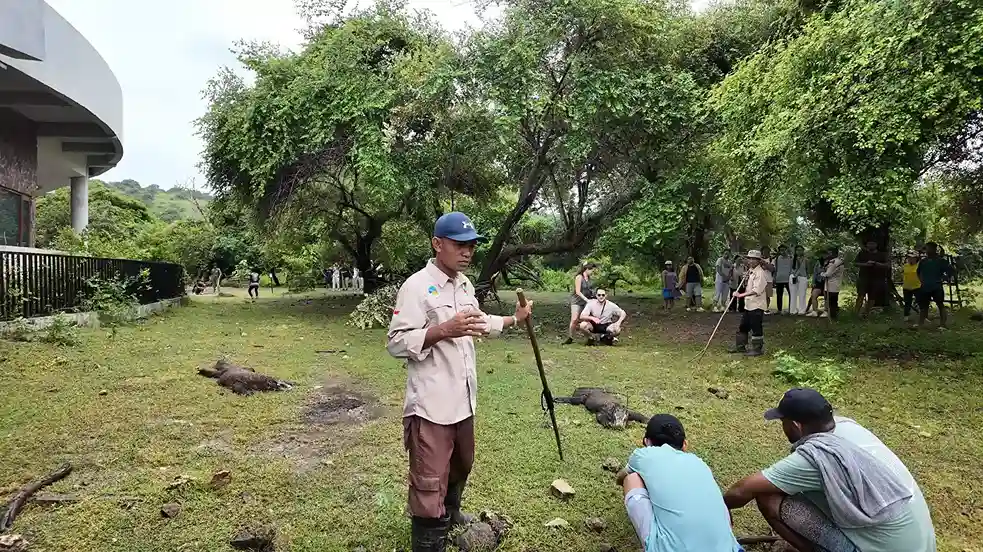
Visitor experience on the two islands can feel different in practice, largely because of trail layout, ranger station positioning relative to historically dragon-frequented areas, and visitor volume patterns rather than a difference in the animals themselves. Rinca’s short trek near the old kitchen area has historically produced high sighting rates (see where that route runs) because that area attracted dragons through past feeding association, an association park authorities are actively working to reduce through strict no-feeding enforcement. This kind of site-specific pattern, not a species-level difference, is what most “Rinca vs Komodo” comparisons are actually describing.
Population Size: What We Can and Cannot State
Conservation sources describe the total wild Komodo dragon population across all islands in the low thousands, with population estimates varying by survey year and methodology. The island-level figures this guide uses come from the Balai Taman Nasional Komodo 2023 inventory: 1,509 dragons on Rinca and 1,694 on Komodo Island, inside a park total of 3,396. They are survey estimates rather than a tagged headcount, and no newer dated inventory had been published as of August 2026 — where a specific number matters to your research, the Komodo Survival Program and the national park authority’s own published survey data are the correct primary sources to consult directly.
Which Island Should You Choose?
For most travelers, the choice comes down to logistics rather than dragon biology: Rinca is generally closer to Labuan Bajo, making it the more common choice for single-day itineraries (see the standard Rinca and Padar day trip), while a visit to Komodo Island itself is more often built into multi-day liveaboard routes. Neither choice trades off “better” or “worse” dragons — both deliver the same species under the same ranger-led protocol described on our safety page.
Diet and Behavior: Identical Across Islands
Komodo dragons across every island they inhabit share the same predatory behavior: ambush hunting, a diet centered on Timor deer and wild boar (supplemented opportunistically), and the same solitary, territorial adult behavior pattern. Juveniles on every island spend early life partly in trees to avoid predation from adult dragons, a behavior driven by the species’ own cannibalistic tendencies toward juveniles rather than anything specific to one island’s ecology. None of this varies meaningfully between Rinca and Komodo Island populations.
Why the “Which Island Has Better Dragons” Question Persists
Marketing language for competing tour operators has an incentive to differentiate the two islands, and “our dragons are better” is a more compelling pitch than “the dragons are identical, but the boat schedule is more convenient.” The honest answer is closer to the second framing: choose based on your itinerary’s logistics, trek preferences (see the three trek routes side by side), and whether a single day trip or multi-day route suits your travel plans, not based on an assumption that one island’s dragons are superior.
Frequently Asked Questions
Are Rinca Island dragons a different species from Komodo Island dragons?
No. Both are Varanus komodoensis, the same species, found on a small cluster of Indonesian islands including Rinca, Komodo, Flores, Gili Motang, and Nusa Kode.
Is Rinca Island better than Komodo Island for seeing dragons?
Neither is biologically better; Rinca is typically closer to Labuan Bajo and more common on single-day itineraries, while Komodo Island is more often part of multi-day routes.
Why does Rinca’s short trek have a reputation for reliable dragon sightings?
Historically, the kitchen area near the ranger station attracted dragons through past feeding association; this pattern is being actively discouraged through current no-feeding enforcement.
How many Komodo dragons live on Rinca Island specifically?
The Balai Taman Nasional Komodo 2023 inventory recorded 1,509 dragons on Rinca, inside a park total of 3,396. It is a survey estimate rather than a tagged headcount; for figures newer than 2023, consult the Komodo Survival Program or the national park authority’s own published survey data.
Do Rinca dragons look physically different from Komodo Island dragons?
No documented, meaningful physical difference exists between the populations on the two islands; they are the same species under the same environmental conditions.
Are there dragons anywhere else besides Rinca and Komodo Island?
Yes, the species is also found on parts of Flores and the smaller islets of Gili Motang and Nusa Kode, all within the same general region.
Do Rinca and Komodo dragons behave differently?
No documented behavioral difference exists between the populations; hunting style, diet, and territorial behavior are consistent for the species across every island it inhabits.
Is one island’s dragon population considered more at risk than the other?
Population trends are tracked at the species and park level by conservation researchers rather than framed as a competition between islands; consult the Komodo Survival Program directly for current, dated assessments.
Related Rinca Island Guides
- Rinca vs Komodo: Where to Actually See the Dragons
- Is It Safe to Visit Rinca Island with Komodo Dragons?
- Komodo Dragons on Rinca Island: Where & When to See Them
Quick Facts & Related Questions
- The dragons themselves are not different — Rinca and Komodo Island are part of the same national park, with the same population, rules, and fees; what changes is crowding, since Rinca’s Loh Buaya sees fewer boats than Loh Liang on Komodo Island.
See Dragons on Either Island
Tell Komodo Luxury whether a Rinca day trip or a multi-day route including Komodo Island suits your schedule better.
Keep Reading
Komodo Dragons & Wildlife
Buffalo, Deer & the Rinca Food Chain
Timor deer and water buffalo are the two most important prey species for wild Komodo dragons on Rinca Island. Scientific…
Komodo Dragons & Wildlife
Birdwatching on Rinca Island: Species & Best Spots
Birdwatching on Rinca Island is a secondary but genuine draw alongside the Komodo dragon trek — the island's savanna, mangrove…

Komodo Dragons & Wildlife
Rinca Island with Kids & Seniors: Safety Tips
Rinca Island can work well for families with children and for seniors, provided you choose the short trek (~1.5–2 km,…