
Boats, Cabins & Comfort: Choosing a Komodo Liveaboard
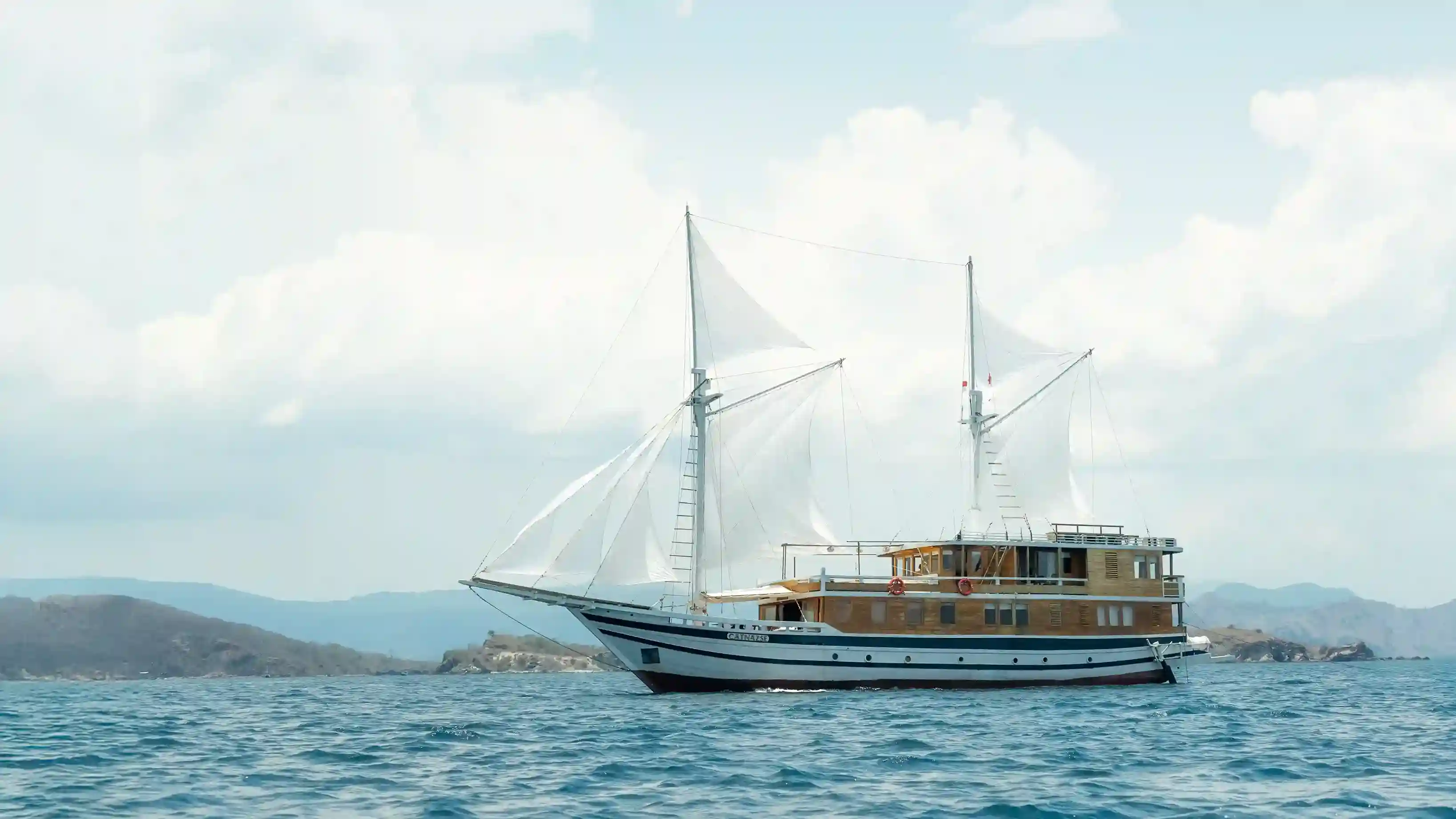
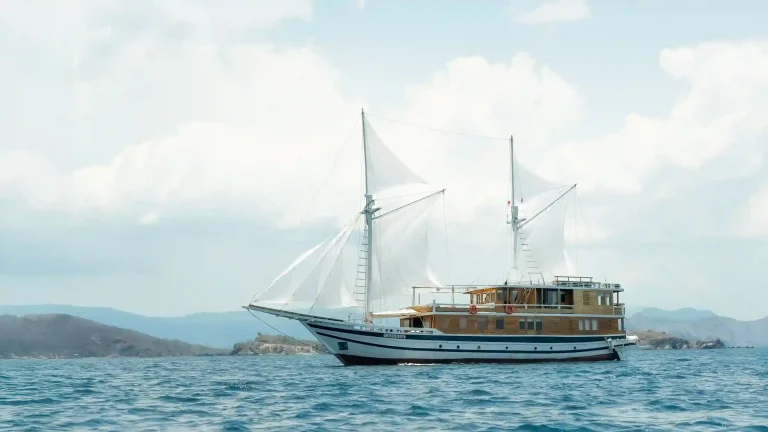
Choosing a Komodo liveaboard for your Rinca Island trip comes down to four practical factors: cabin type (shared vs private, with or without ensuite), crew-to-guest ratio, boat size and stability, and what meals and gear are actually included. Budget wooden boats and fully crewed phinisi both reach the same destinations — the difference is entirely in day-to-day comfort.
- What actually differs between boat classes beyond price
- Cabin types and what to expect at each comfort level
- Questions to ask before booking any liveaboard
Every Komodo liveaboard, from a simple shared wooden boat to a fully crewed private phinisi, visits broadly the same sites — Rinca, Padar, Pink Beach, and often Komodo Island and Manta Point. What changes dramatically between boat classes is how comfortable your days and nights are between those stops, which matters more than most first-time bookers expect on a multi-day trip.
Boat classes compared
| Class | Cabins | Best for |
|---|---|---|
| Budget shared liveaboard | Shared dorm-style or basic twin cabins, shared bathrooms | Backpackers and travellers prioritising cost over comfort |
| Mid-range private cabin boat | Private cabins, often with ensuite, air conditioning in cabins | Couples and small groups wanting privacy without full luxury pricing |
| Luxury phinisi | Multiple ensuite cabins, higher-end furnishing, dedicated crew per guest ratio | Families, honeymoons, groups wanting a fully catered, high-comfort trip |
What crew-to-guest ratio actually means for your trip
A higher crew-to-guest ratio generally means faster, more attentive service — meals prepared closer to when you want them, quicker response to requests, and more flexibility in adjusting the day’s plan. Budget boats often run leaner crews focused on core operations (navigation, cooking, basic guiding support), which is perfectly workable but means less personalised attention. If flexibility and responsiveness matter to you, ask specifically about crew numbers relative to guest capacity rather than assuming all “liveaboards” offer comparable service levels.
Cabin comfort: what actually varies
Air conditioning (versus fan-only cabins), ensuite bathrooms (versus shared facilities down a hallway), mattress quality, and cabin size are the practical differences that matter most on a multi-night trip, more than decorative finishes. Air conditioning matters more than most first-timers expect in tropical humidity, particularly for sleeping comfortably after a hot trekking day. If you are sensitive to heat or share a cabin with someone who runs warm, prioritise air-conditioned cabins over other comfort features when comparing boats within your budget.
Meals and inclusions across boat classes
Budget boats typically serve simple, repetitive Indonesian meals (rice, noodles, basic proteins) prepared efficiently for a full boat of guests. Mid-range and luxury boats generally offer more variety, fresher seafood when available, and more responsiveness to dietary requests. Confirm what is included — meals, drinking water, snorkelling gear, towels — rather than assuming parity across price tiers, since “all-inclusive” is used loosely across the industry.
Questions to ask before booking
How many guests share this boat, and how many crew are aboard? Are cabins private or shared, and is air conditioning included? What safety equipment is aboard, and is the captain licensed? What exactly is included in the quoted price versus paid separately (park fees, gear rental, drinks)? A transparent operator answers all of these clearly and specifically rather than deflecting to a general marketing description.
How boat size affects comfort in rough seas
Larger vessels, particularly multi-cabin phinisi, generally handle choppier water more smoothly than smaller speedboats or compact day boats, since more hull length and displacement reduces how sharply a boat pitches and rolls in swell. If you are prone to seasickness, this is worth weighing against the appeal of a smaller, more intimate boat — a bigger phinisi is not just more spacious, it is often meaningfully more comfortable during the open-water crossings between islands, particularly outside the calmest dry-season months. Ask your operator directly about vessel length and typical stability if motion sickness is a concern for your group.
Deck space and shared areas matter as much as cabins
Because a liveaboard trip involves real time spent on deck between stops — eating, relaxing, watching the scenery, socialising with other guests on shared boats — deck space and shading matter more than many first-time bookers consider. A boat with generous shaded seating, a proper dining area, and enough open deck to spread out feels noticeably more comfortable over 2-3 days than a boat that is technically similar in cabin count but cramped in common areas. If possible, look at photos or ask specifically about deck layout, not just cabin photos, when comparing boats.
How to match boat choice to your specific itinerary
A shorter 1-2 night trip focused mainly on Rinca and Padar can work well on a mid-range boat without needing full luxury inclusions, since the shorter duration limits how much comfort differences compound. A longer 4-7 night itinerary covering more of the park, or a honeymoon or special-occasion trip, benefits more noticeably from investing in a higher comfort tier, since small daily frictions add up meaningfully over a longer stay aboard. Match your boat choice to your actual trip length and priorities rather than defaulting to whichever option is cheapest or most heavily marketed.
Frequently Asked Questions
What is the difference between a budget and luxury Komodo liveaboard?
The core difference is cabin privacy and comfort, crew-to-guest ratio, and meal variety — not the destinations visited, which are broadly the same across boat classes.
Do all Komodo liveaboards have air conditioning?
No. Budget boats often use fan-only cabins, while mid-range and luxury boats typically include air conditioning. Confirm this specifically if it matters to your comfort.
Are bathrooms private on a Komodo liveaboard?
This varies by boat class. Budget shared boats often have shared bathroom facilities; mid-range and luxury boats typically offer private ensuite cabins.
How many people typically share a Komodo liveaboard?
This varies widely, from small private charters for a handful of guests to larger shared boats carrying 20-30 passengers. Ask specifically about guest capacity when comparing options.
Is meal quality similar across all boat classes?
No. Budget boats generally serve simpler, more repetitive meals, while mid-range and luxury boats typically offer more variety and better accommodate dietary requests.
What should I prioritise if my budget is limited?
Prioritise safety equipment and a licensed captain first, then air conditioning if heat sensitivity is a concern, before decorative or luxury features.
Compare boat classes and book through Komodo Luxury’s Komodo liveaboard or the wider Komodo Luxury fleet. WhatsApp: +62 811-3823-875.
Last updated: August 25, 2026.
Related Rinca Island Guides
- 2-3 Day Komodo & Rinca Liveaboard Itineraries
- Rinca Island Liveaboard: Sleep Aboard, Wake at the Park
- Rinca Island Cost: Full Budget Breakdown
- Rinca Island FAQ: 100 Questions Answered
- Best Time for Rinca Island
Quick Facts & Related Questions
- Whatever liveaboard you choose, the tender to Rinca itself is quick — about 30-45 minutes by speedboat, or 1.5-2 hours if the boat is a slower traditional wooden vessel.
If you now have a clearer sense of the cabin standard, crew support and inclusions you prefer for Rinca and the wider park, you can compare specific boats on the dedicated Komodo liveaboard listings, or opt for a shorter one-day Komodo sailing trip. For more flexible itineraries around Rinca, Padar and nearby islands, review the current Komodo sailing packages and scheduled departure dates.
Keep Reading
Boats & Liveaboards
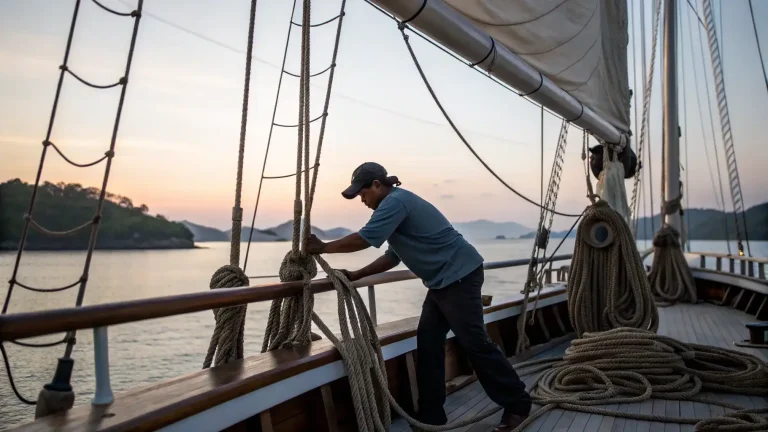
Boat Schedules to Rinca Island & the Last Boat Back
There is no public ferry to Rinca Island — every visitor travels by chartered boat, speedboat, open-trip departure, or liveaboard…
Boats & Liveaboards
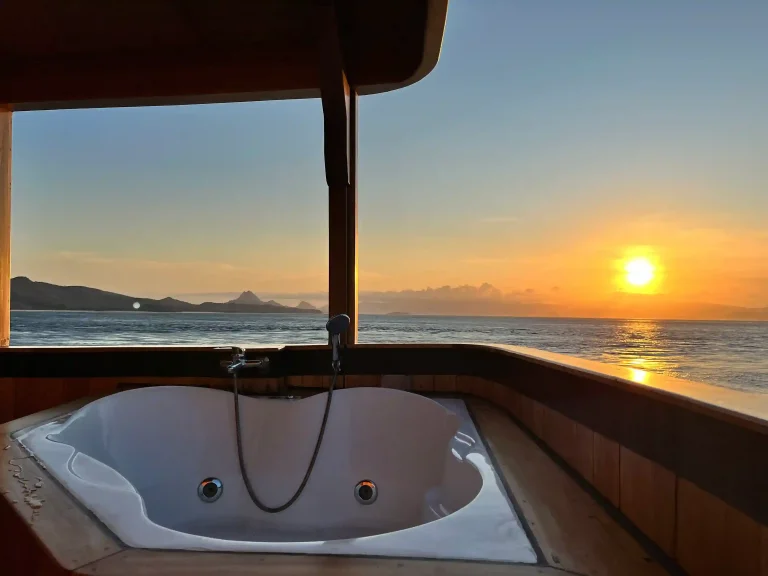
Anchoring & Mooring Rules around Rinca Island
Boats visiting Rinca Island waters within Komodo National Park are expected to use designated mooring points rather than dropping anchor…
Boats & Liveaboards
Seasickness & Health on Komodo Boat Trips
Last updated: August 25, 2026. Seasickness is the most common health complaint on Komodo boat trips, not any dragon-related risk,…