Arriving at Loh Buaya: The Ranger Station Step by Step
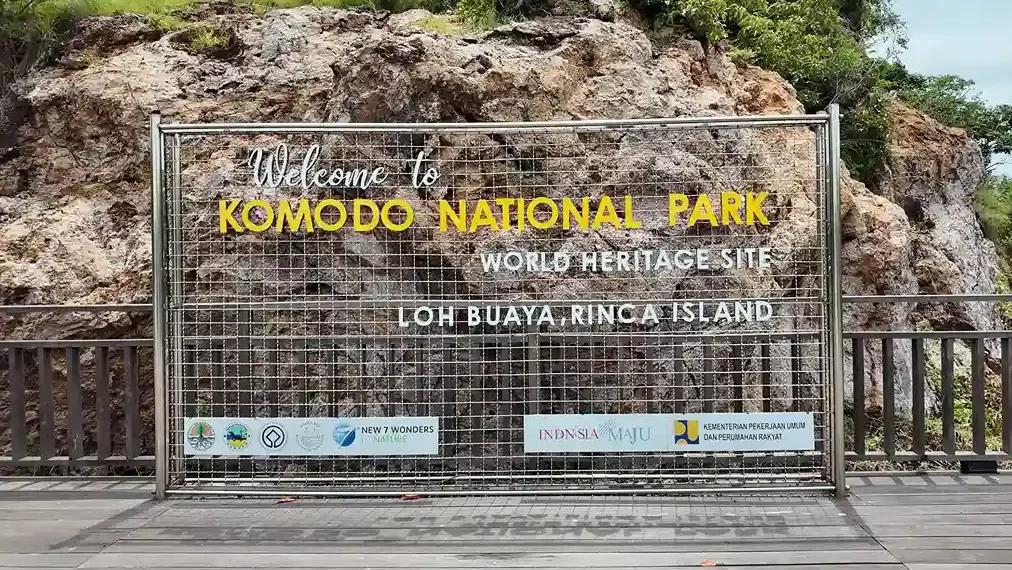
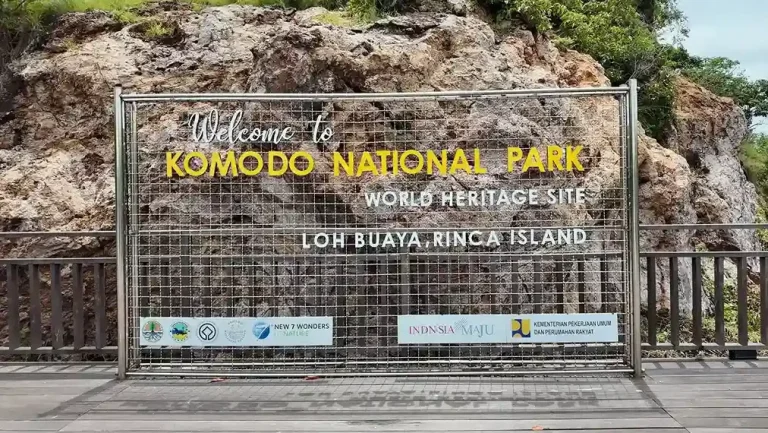
Loh Buaya is the ranger station and sole entry point for visiting Rinca Island. From the moment your boat ties up at the jetty to the moment your ranger-led trek begins, the process runs: dock, walk up to the registration building, SiOra ticket and passport check, safety briefing, ranger assignment, then the trek itself.
Last updated: 29 August 2026.
What Happens When You Arrive at Loh Buaya?
Loh Buaya sits on a sheltered bay on Rinca’s northern coast and is the only ranger station and visitor entry point on the island — there is no other place to land and trek. Boats dock at a wooden jetty extending into the bay; from there it’s a short walk, typically a few minutes, up to the registration building where your group’s SiOra tickets and passports are checked against the park’s digital system. This single-entry-point structure is also why Rinca visits are always ranger-guided rather than self-directed: everyone passes through the same building and the same briefing before setting out.
Step by Step: From Jetty to Trailhead
- Dock at the Loh Buaya jetty. Your boat crew ties up and helps you disembark onto the wooden pier.
- Walk to the registration building. A short, flat walk from the jetty into the ranger station compound.
- SiOra ticket and passport verification. Rangers scan your QR ticket and match it against your passport — have both ready before you reach the counter.
- Safety briefing. A ranger explains group conduct: stay together, keep a set distance from any dragon encountered, follow instructions immediately if an animal moves.
- Ranger assignment and route selection. Groups are assigned a ranger, who chooses the specific route (short, medium or long) based on group ability, time available and that day’s dragon activity.
- The trek itself. Rangers carry a forked stick used historically to redirect a dragon at a safe distance if needed — a standard park practice, not a sign of unusual danger.
- Return to the jetty. The group walks back to the dock at the end of the route, where your boat is waiting.
How Are Rinca Island’s Trekking Routes Organised?
Rangers commonly offer three route lengths, though naming and exact timing can vary slightly by which ranger leads your group that day: a short loop close to the station (roughly 20-30 minutes), a medium route extending further into the savanna (roughly 45-75 minutes), and a longer route onto higher ground for wider views (roughly 90-120 minutes, steeper so time varies more by fitness). Published distances for each vary noticeably between sources, so we give the time ranges here rather than a single disputed kilometre figure. Which route your group gets depends on the ranger’s read of time, group fitness and dragon activity that day — you can request a preference but the final call is the ranger’s.
What Should You Have Ready Before You Reach the Registration Counter?
- Your passport (the exact document used for your SiOra booking)
- Your SiOra QR ticket, on your phone or printed
- Closed shoes already on your feet — see Rinca Island Packing Guide for the full list
- Any water you’re bringing, since there’s none to buy at the station
Is There Anywhere to Rest or Get Shade at Loh Buaya?
The ranger station compound has some covered structures near the registration building, but once on the trail itself there is little to no shade — the savanna routes are largely open. Plan accordingly with a hat and water, and pace yourself on hot dry-season days.
What Does “Loh Buaya” Mean?
“Loh” refers to a bay or cove in local usage, and “Buaya” is the Indonesian word for crocodile — the name reflects the presence of saltwater crocodiles historically observed in the mangrove-fringed waters near the station, distinct from the Komodo dragons that draw most visitors to the island. The name is a useful reminder that Rinca’s ecosystem extends beyond its most famous resident, including its coastal mangrove habitat.
What Facilities Exist at the Loh Buaya Station Itself?
The compound includes the registration building where SiOra tickets are checked, staff and ranger quarters not accessible to visitors, basic restroom facilities for guests, and some covered rest areas near the entrance. There is no restaurant, shop or accommodation of any kind — this is a working park facility, not a visitor centre in the fuller sense some travelers expect, and any food or extended comfort needs should be brought with you or handled on your boat.
How Long Before Your Boat Departure Should You Arrive at Loh Buaya?
Your boat’s schedule determines this rather than a fixed park rule — if you’re on a multi-stop day trip, your captain and guide will time the Rinca stop to fit the rest of the day’s itinerary. If Rinca is your only stop, there’s generally no rush at the station itself once you’ve registered; the constraint is more about the trek’s own duration (roughly 20 minutes to two hours depending on route) than any station-imposed limit.
What Wildlife Might You See Near the Station Itself, Beyond Dragons?
The Loh Buaya area is also home to Timor deer, wild boar, long-tailed macaques and a range of bird species, often visible around the station compound and the first stretch of trail before you’re deep into open savanna. Dragons tend to draw the most attention, but the wider ecosystem visible right from the jetty is part of what makes the short walk to the registration building worth paying attention to, not just a formality before the “real” trek begins.
What Happens if the Ranger Decides Conditions Aren’t Suitable for Trekking?
On rare occasions — heavy rain making the trail unsafe, or unusual wildlife activity near the path — rangers can shorten, reroute or, in extreme cases, postpone a trek for safety reasons. This is a park safety decision, not something your boat operator controls, and it applies equally to every group at the station that day. A responsible operator will explain this possibility when you book, particularly for wet-season travel.
Frequently Asked Questions
What is Loh Buaya?
Loh Buaya is the ranger station and sole visitor entry point on Rinca Island, where boats dock and all trekking routes begin.
How do I find the ranger station on Rinca Island?
Your boat takes you directly to the Loh Buaya jetty; there is no separate transfer needed once you’ve booked your Rinca Island trip.
What is the safety briefing at Rinca Island like?
Rangers explain group conduct, safe distance from dragons, and what to do if an animal moves toward the group, before any trek begins.
How many people are in a ranger-guided group on Rinca Island?
Group size varies by how many visitors arrive together and how the station allocates rangers that day; smaller private bookings often mean a smaller group per ranger than a large shared tour departure.
Can I choose which trekking route I get at Rinca Island?
You can state a preference, but the ranger makes the final call based on time available, group fitness and dragon activity that day.
Continue planning your Rinca Island trip:
Read How to Book a Rinca Island Trip ·
Rinca vs Padar trekking difficulty ·
Half-day vs full-day ·
Book a Komodo boat tour that includes Loh Buaya.
Quick Facts & Related Questions
- Every trek is led by a licensed park ranger along one of three marked loops — independent trekking is not permitted at Loh Buaya.
- There is only one place to arrive: the Loh Buaya ranger station and jetty is the single entry and exit point for Rinca Island — there is no second dock or gate anywhere else on the island.
Keep Reading
Trekking & Trails
Rinca Island Trek Distances: Short vs Medium vs Long
Rinca Island offers three ranger-led trekking routes from the Loh Buaya station. Exact distances are not published as an official…
Trekking & Trails
Rinca vs Padar: Which Trek Is Harder?
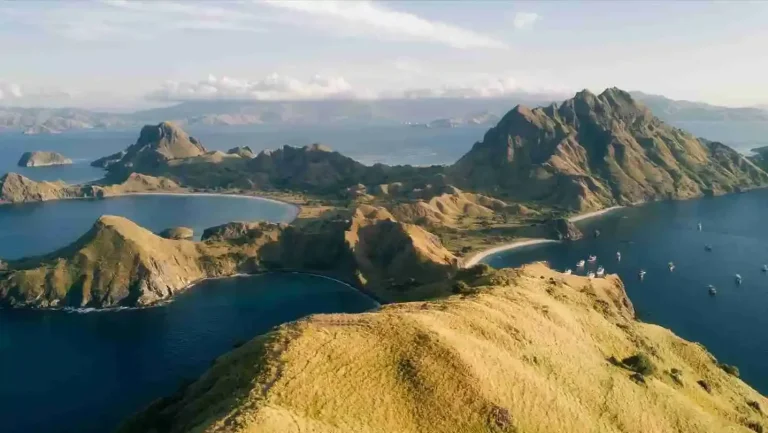
Padar's trek is short but steep — a climb up a stepped path to a viewpoint, done in around 30-45…
Trekking & Trails
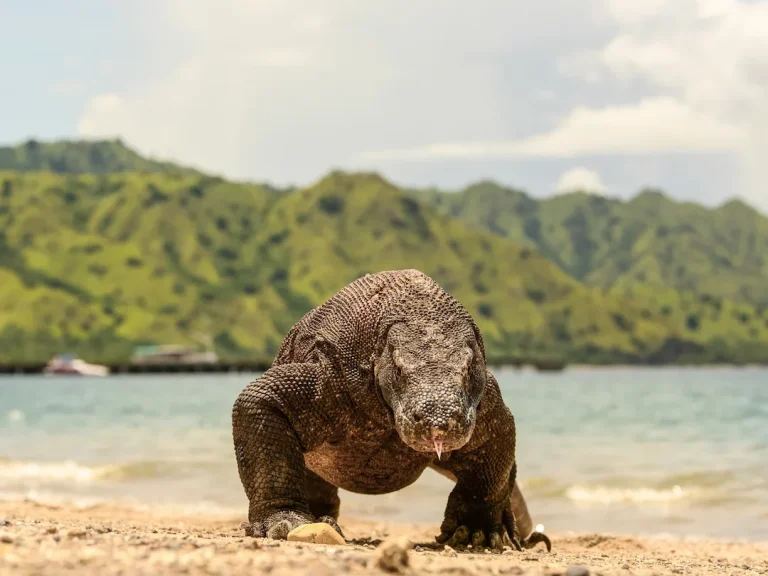
Mobile Signal, GPS & Offline Maps on Rinca Island
Last updated: August 25, 2026. Mobile signal on Rinca Island is weak to nonexistent away from the Loh Buaya ranger…