
Dry-Season Travel to Rinca Island: What Changes
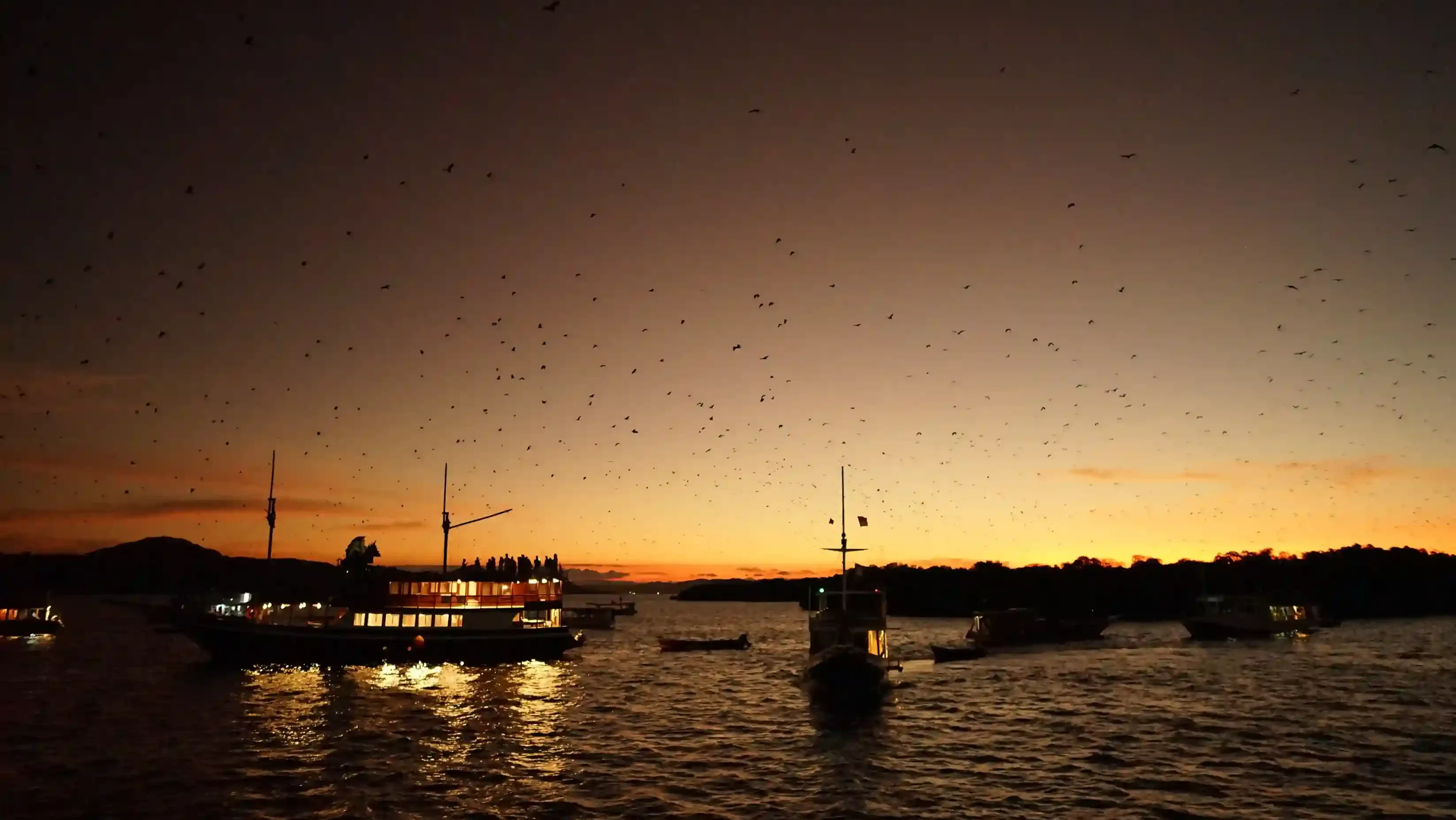
Dry-season travel to Rinca Island — roughly April through November — trades the wet season’s lush green savanna for firmer trails, calmer seas on the Labuan Bajo crossing, and more predictable boat departures. What it does not change is where you sleep: there is no accommodation on Rinca Island in any season, dry or wet, so your hotel or liveaboard booking stays anchored to Labuan Bajo regardless of when you travel.
Last updated: 25 August 2026.
What Changes About Rinca Island Travel in the Dry Season?
The dry season shifts three things noticeably compared to the wet months: sea conditions on the crossing from Labuan Bajo are generally calmer, meaning fewer weather-related cancellations or reroutes; the savanna trail at Loh Buaya is firmer and less slippery underfoot; and boat traffic is higher, since most travelers deliberately schedule around this window. See Best Time to Visit Rinca Island: Month by Month for the complete month-by-month comparison across the whole year.
Does Dry-Season Travel Make Rinca Island Cheaper or More Expensive?
It depends on which part of the dry season. July through September is peak demand and carries the highest boat charter prices of the year. April, May, June and October — still solidly dry-season conditions — see noticeably lower demand and correspondingly lower charter prices, making them the better-value dry-season window for most travelers. What does not change with the season is the Komodo National Park entrance fee itself, which is a flat government rate under PP No. 36/2024 regardless of month.
Where Do You Stay When Visiting Rinca Island in the Dry Season?
The same as any other season: Labuan Bajo, since Rinca Island itself has no hotels, villas or any visitor accommodation at any time of year — the Loh Buaya visitor zone that tourists use has no permanent residents beyond rotating ranger staff — a small fishing settlement, Kampung Rinca, exists elsewhere on the island’s coastline but is outside the standard tourist route. Dry-season travel doesn’t unlock some seasonal lodging option on the island; it simply makes the day trip or liveaboard experience more comfortable and predictable. If you’re weighing a hotel base against sleeping aboard a boat, see Rinca Island Liveaboard: Sleep Aboard, Wake at the Park for how that works.
Is Dry Season the Best Time for Photography or Diving Around Rinca?
For diving and snorkelling, yes — dry-season months (particularly June to September) generally offer the best underwater visibility at Komodo National Park’s nearby dive sites. For photography, both ends of the dry season have appeal: April still carries lingering green from the tail of the wet season, while September’s dry-season gold is the more classic Rinca landscape look. See our Rinca Island photo spots guide for a full seasonal breakdown by light and colour.
How Does Dry-Season Travel Affect Your Overall Itinerary Planning?
Because dry-season crossings are more reliable, travelers visiting April through November can plan tighter connections — a same-day arrival into Labuan Bajo followed by a Rinca trip the next morning is a reasonable schedule in this window. In the wet season, the same tight scheduling carries real risk: build a spare day into your itinerary rather than a same-day flight connection immediately after your Rinca visit, since a delayed crossing can push your return by a day. This difference in schedule risk, more than any single weather statistic, is the most practical planning takeaway between the two seasons.
What Should You Pack Differently for Dry-Season Rinca Island Travel?
Dry-season conditions mean less need for rain protection but a stronger emphasis on sun and heat management: more water than you think you’ll need, high-SPF sunscreen reapplied before landing, and a hat, since the savanna trail offers essentially no shade. See Rinca Island Packing Guide for the complete list — the core essentials don’t change by season, but the balance of what matters most does.
Is September or April the Better Dry-Season Month?
Both sit within the reliable dry-season window but offer a different look and feel. September is deep dry season — golden, dry savanna grass, the most consistent weather of the year, but also close to the tail end of peak crowds. April is a shoulder month coming out of the wet season — still lush and green from recent rain, with noticeably thinner crowds and lower boat prices than the July-September core. Photographers often prefer April for the greenery; travelers prioritising weather certainty above all else tend to prefer September.
How Does Dry-Season Travel Compare Across the Wider Komodo Region?
The same dry-season reliability that benefits a Rinca crossing applies broadly across Komodo National Park — Padar’s climb, Pink Beach’s snorkelling conditions, and any dive site visits all benefit from the calmer seas and clearer skies of this window. This is part of why April-through-October remains the default recommendation across nearly every itinerary type in the region, not something specific to Rinca alone.
Is There a Downside to Visiting in the Dry Season?
The main trade-off is crowding and price, not weather quality — the very reliability that makes the dry season appealing draws the highest visitor numbers of the year, particularly July through September. Travelers who value solitude over weather certainty sometimes deliberately choose shoulder months or even accept some wet-season risk in exchange for quieter trails, a genuine and reasonable trade-off depending on what you’re optimising for.
What Does “Dry Season” Mean for Vegetation and Scenery?
By the peak of the dry season, Rinca’s savanna grass turns a warm gold-brown rather than the vivid green seen earlier in the year, which some visitors find less dramatic in photographs but others prefer for its classic, sun-baked look consistent with popular imagery of the park. If lush green scenery matters more to your photography goals than guaranteed clear skies, the earlier dry-season months (April-May), or even the tail end of the wet season in March, offer a middle ground worth considering.
Frequently Asked Questions
What is dry-season travel like on Rinca Island?
Calmer seas for the Labuan Bajo crossing, a firmer trekking trail, and higher boat traffic than the wet season. The dry season runs roughly April through November; the wet season runs roughly December through March.
Is it cheaper to visit Rinca Island in the dry season?
April, May, June and October offer dry-season conditions at noticeably lower prices than the July-September peak, making them the best-value dry-season window.
Are there any accommodations on Rinca Island during the dry season?
No, there are no accommodations on Rinca Island in any season; visitors stay in Labuan Bajo or aboard a liveaboard boat regardless of when they travel.
Does the park entrance fee change between dry and wet season?
No, the government entrance fee under PP No. 36/2024 is a flat rate that does not vary by season; only boat charter pricing moves with seasonal demand.
Is dry season the best time for diving near Rinca Island?
Yes, June through September generally offers the best underwater visibility at nearby Komodo National Park dive sites.
Should I build a buffer day into a dry-season Rinca Island trip?
It’s less critical than in wet season given more reliable crossings, but a small buffer is still sensible around any tight onward connection.
Is April or September better for a dry-season Rinca Island visit?
April offers lingering post-wet-season greenery with thinner crowds; September offers the most consistent dry weather of the year but closer to peak-season crowds.
Continue planning your Rinca Island trip:
See Best Time to Visit Rinca Island: Month by Month ·
How to avoid crowds ·
Liveaboard option ·
Book a dry-season Komodo boat tour.
Quick Facts & Related Questions
- Can I visit Rinca Island during Ramadan? Komodo National Park operates on its normal schedule during Ramadan; it is a national park rather than a religious site, though some local food vendors in Labuan Bajo may have adjusted hours.
- Can I visit Rinca Island if I am pregnant? There is no official rule against pregnant travelers visiting, but the uneven trekking terrain, heat, and boat crossing are worth discussing with a doctor before you book.
Keep Reading
When to Go & Weather
Visiting Rinca Island in the Rainy Season
Yes, Rinca Island stays open during the rainy season (roughly December-March), and ranger-led treks continue to run. What changes is…
When to Go & Weather
Rinca Island Seasons in the Komodo Park Calendar
Beyond weather, the best time to visit Rinca Island depends on Komodo National Park's booking calendar: the SiOra system's three…
When to Go & Weather
Rinca Island in August: What to Expect
Last updated: August 25, 2026. August sits within Komodo National Park's dry season, meaning visitors to Rinca Island can generally…