
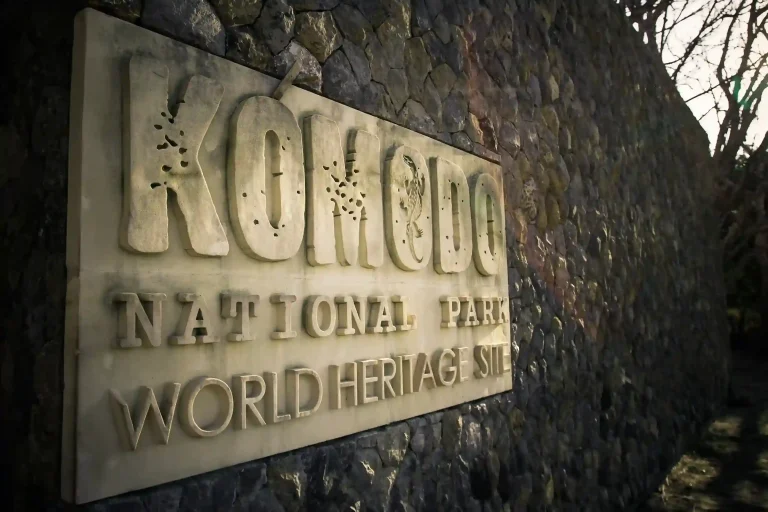
Responsible Travel to Rinca Island
Responsible travel to Rinca Island means following the park’s conservation policy — mandatory ranger guides, no touching or feeding wildlife, reef-safe behaviour in the water, and minimising single-use plastic — rather than a set of personal eco-tips. Park fees under PP No. 36/2024 fund the conservation and ranger infrastructure that makes responsible access to the park possible in the first place.
Policy versus practice: what this page covers
This guide focuses on the policy layer of responsible travel — the actual park regulations and conservation rationale behind them — as distinct from a general list of eco-friendly packing tips (covered separately in our sustainability-practices content). Understanding why a rule exists, not just that it exists, makes it easier to follow in the field.
Why Komodo National Park regulates visitor behaviour so tightly
Komodo National Park protects an endangered species (the Komodo dragon, IUCN-listed) and a marine ecosystem under real pressure from tourism growth, fishing, and climate stress. The mandatory ranger-guide requirement, entrance fee structure, and visitor quota system are not bureaucratic friction — they are the mechanism by which the park limits human impact while still allowing public access and generating funding for conservation work.
How park fees fund conservation
Entrance fees under PP No. 36/2024 (IDR 250,000 flat for foreign visitors, IDR 50,000/75,000 for Indonesian citizens) and the ranger-guide fee are the park’s primary direct-visitor revenue mechanism, feeding back into ranger operations, trail maintenance, and broader park management. Paying the correct, official fee — rather than seeking workarounds — is itself a form of responsible travel, since it’s the funding channel the conservation system depends on.
The visitor quota system as a conservation tool
The park-wide cap of 1,000 visitors per day, split across three sessions, exists to limit cumulative human pressure on trails and wildlife habitat, not to create scarcity for its own sake. Respecting your booked session time and not attempting to bypass the reservation system (SiOra, mandatory park-wide since April 2026, Rinca included) supports the system’s intended function.
Wildlife interaction rules and why they matter
No touching, feeding, or approaching Komodo dragons beyond ranger-set safe distance exists for two reasons simultaneously: visitor safety, and preventing dragons from associating humans with food, which changes their behaviour toward future visitors and rangers in ways that are difficult to reverse. This is a conservation rule as much as a safety rule.
Reef-safe behaviour in Komodo National Park waters
No touching or standing on coral, no anchoring on reef (see our mooring and anchor rules guide), and no removal of marine life or coral material are standard reef-protection expectations throughout the park’s marine zones, directly protecting the same ecosystem that makes snorkeling and diving here valuable.
Plastic reduction and waste policy
Komodo National Park actively discourages single-use plastic within its boundaries. Bringing a reusable water bottle, carrying out your own rubbish (see our Loh Buaya facilities guide for on-island waste-disposal expectations), and choosing operators with visible waste-reduction practices are practical ways to align with this policy.
Choosing a responsible operator
Look for operators who visibly brief guests on park rules before the trip, employ licensed park rangers rather than informal guides, avoid promoting wildlife feeding or close-contact photography, and demonstrate reef-safe anchoring and waste practices — these are observable signals of a genuinely compliant, conservation-aligned operator rather than marketing language alone.
The economics of conservation-funded tourism
Komodo National Park operates on a model where visitor fees directly underwrite the infrastructure (ranger staffing, trail maintenance, patrol operations) that protects the same resource visitors come to see. This is a widely used conservation-financing approach across protected areas globally — the core idea being that a well-managed, appropriately priced visitor economy can fund protection more sustainably than either unrestricted free access or complete closure to tourism.
Community dimensions of responsible travel
Beyond the park’s ecological management, Labuan Bajo’s broader economy — boat operators, guides, hospitality, transport — depends substantially on Komodo National Park tourism. Choosing licensed, locally-operating businesses over unregistered alternatives, and treating the ranger-guide requirement as a livelihood-supporting structure rather than mere bureaucracy, connects individual travel choices to the wider regional economy around the park.
What travellers sometimes get wrong about “responsible travel” here
A common misconception is that responsible travel means avoiding the destination altogether, or minimizing park fees paid. In a fee-funded conservation model like this one, the opposite is closer to true: visiting through proper channels, paying full and correct fees, and following the guide-and-safety-distance rules is itself the responsible-travel action, not a compromise of it.
Reporting concerns as part of responsible travel
If you observe an operator violating clear park rules — anchoring on visible coral, encouraging dragon feeding or close-contact photography, ignoring ranger guide requirements — reporting this to the park authority contributes directly to enforcement and long-term conservation outcomes, arguably a more impactful individual action than any personal packing choice.
Frequently asked questions about responsible travel to Rinca Island
Do park fees actually go toward conservation?
Fees collected under PP No. 36/2024 fund park operations including ranger staffing and trail management, which is the direct conservation infrastructure visitors interact with; verify current allocation detail through the official park authority for full transparency.
Is it responsible to visit Rinca Island at all, given tourism pressure?
The park’s fee, quota, and guide-requirement system is specifically designed to allow public access while managing that pressure; following the rules as a visitor (correct fees, booked sessions, ranger compliance) is the practical way an individual traveller supports that balance.
What is the single most important responsible-travel rule on Rinca Island?
Respecting the mandatory ranger-guide and safe-distance rules around wildlife — this protects both visitor safety and the dragons’ natural, undisturbed behaviour simultaneously.
Responsible travel as an ongoing practice, not a one-time checklist
Regulations, fees, and best practices described here are reviewed periodically as park policy evolves (see our methodology page); travellers researching a trip further in advance should treat this as a snapshot of current policy rather than an unchanging standard, and recheck closer to their travel date.
Last updated: August 25, 2026.
For the practices side of responsible travel (packing, personal habits), see our Rinca Island Packing Guide. Book with operators who demonstrate this compliance directly, such as through a licensed Komodo boat tour.
Keep Reading
Boats & Liveaboards
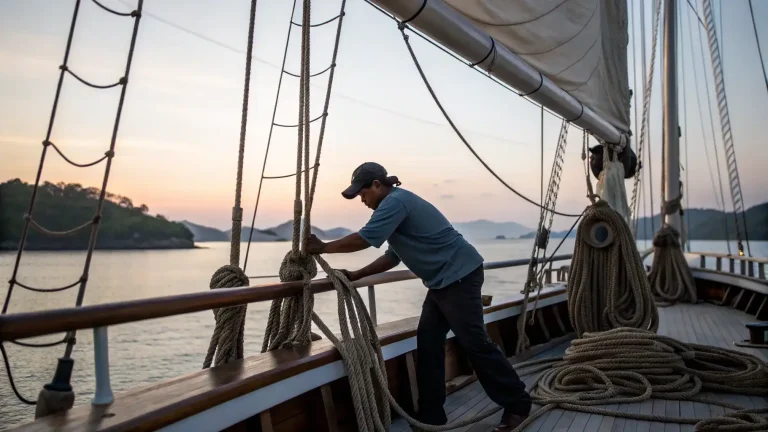
Boat Schedules to Rinca Island & the Last Boat Back
There is no public ferry to Rinca Island — every visitor travels by chartered boat, speedboat, open-trip departure, or liveaboard…
Travel Journal
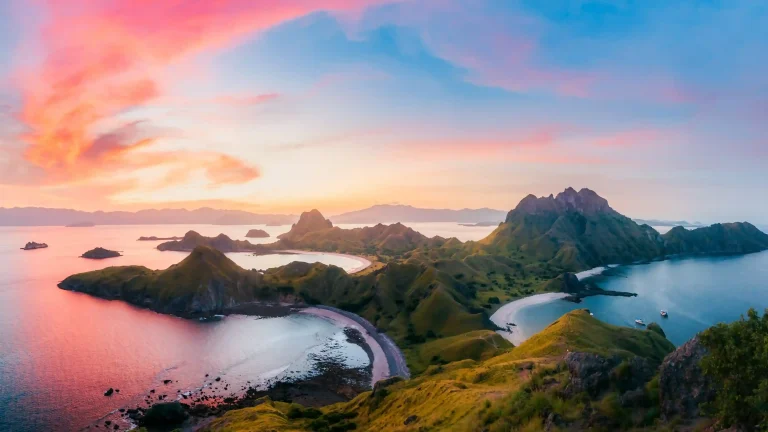
Photographing Rinca Island: Gear, Light & Ethics
For photographing Rinca Island, a mid-range zoom (roughly 70-200mm equivalent) covers both wildlife at a safe distance and landscape shots…
Costs, Fees & Booking
Cash, Cards & Tipping on Rinca Island
You need very little cash on Rinca Island itself, since park tickets are now booked and paid online through SiOra.…