
Facilities at Loh Buaya: Toilets, Shade, Water & Shops
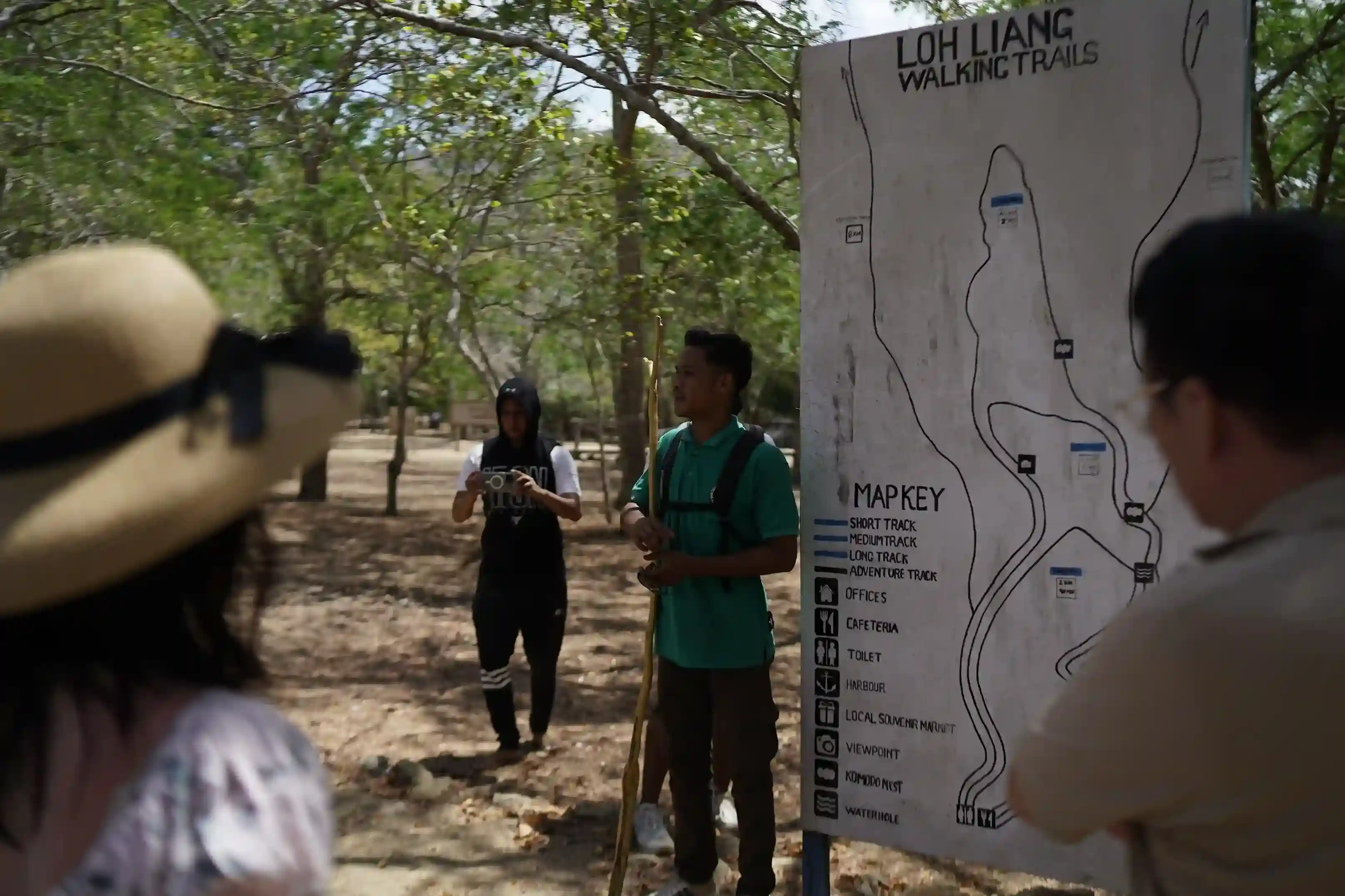
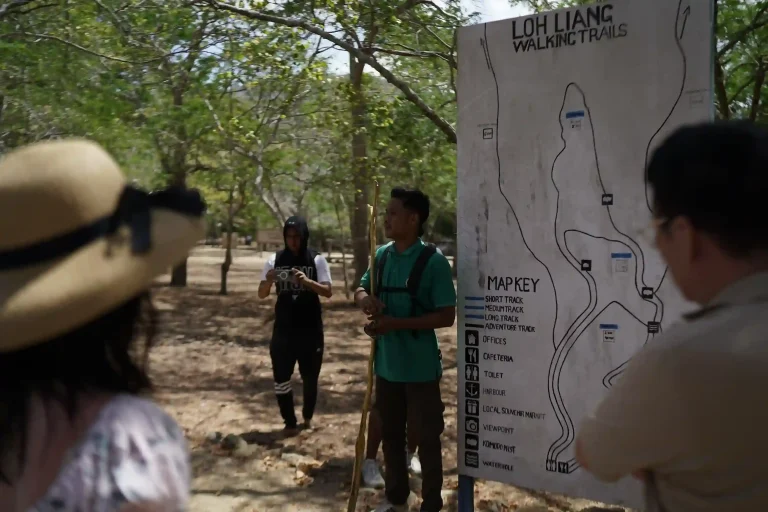
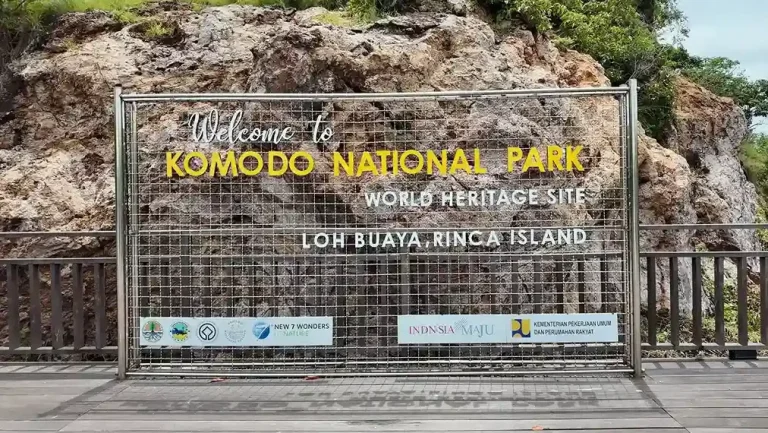
Loh Buaya ranger station, Rinca Island’s only visitor entry point, has basic restroom facilities, a small ranger office, and shaded rest areas near the jetty — but no restaurant, shop with reliable stock, or drinking-water refill station you should count on. Bring your own food and water for the full visit; facilities here are functional, not a tourist amenity block.
What’s actually at Loh Buaya ranger station
Most competitor guides summarize Loh Buaya’s facilities in one vague line — “restrooms and shaded rest areas” — without saying what condition to expect or what visitors need to bring themselves. Here’s the more specific picture, based on what the ranger station actually provides as of this review.
Toilet facilities at Loh Buaya
Basic restroom facilities exist near the ranger station and jetty area. They are functional but simple — not resort-standard, and not guaranteed to have running water or toilet paper stocked at all times. Carrying a small personal hygiene kit (tissue, hand sanitizer) is standard practice for visitors, the same precaution seasoned travellers take at any remote park facility in Indonesia.
Drinking water availability on Rinca Island
There is no reliable public drinking-water refill station at Loh Buaya that visitors should plan around. Bring your own sealed bottled water — at least 1-1.5 litres per person for a short-to-medium trek, more for the longer route or hotter months. Refilling bottles from an uncertain source on the island is not a safe assumption.
Can you refill bottles on Rinca Island?
Do not count on it. Even where a tap or dispenser may occasionally be available near the station, water quality and consistent availability are not verified for visitor use. The safest approach is arriving with enough sealed water for the entire visit, plus a margin for heat and delays.
Visitor centre and information point
Loh Buaya has a small ranger office/information point where trekking groups check in and rangers are assigned. This is also typically where trekking route choice (short/medium/long) is confirmed for the day. It functions as an operational checkpoint rather than a museum-style visitor centre with interpretive displays.
Shaded rest areas
Limited shaded seating exists near the ranger station and jetty, useful for waiting between boat arrival and trek start, or resting after a trek in the heat. Shade along the trekking trails themselves is minimal to nonexistent — the shaded areas are concentrated at the station, not along the savanna routes.
Is there a shop at Loh Buaya?
Any stall or small kiosk presence near the station should not be relied upon for essential supplies — stock, if present at all, is inconsistent. Treat Rinca as a bring-your-own-everything visit for food, water, and sun protection, rather than assuming last-minute purchases will be possible.
Waste disposal rules on Rinca Island
Visitors are expected to carry out their own rubbish rather than leave it on the island — standard practice in a national park with no dedicated waste-collection infrastructure for visitor trash along the trails. Bring a small bag for your own wrappers and bottles and take them back to your boat.
Plastic policy on Rinca Island
Komodo National Park actively discourages single-use plastic within its boundaries as part of its conservation approach; visitors are encouraged to bring reusable water bottles and minimise disposable plastic brought ashore. Checking your operator’s current plastic-reduction guidance before the trip is good practice.
What “basic” actually means in practice
It’s worth setting expectations precisely rather than vaguely: “basic” restroom facilities here means squat or simple seated toilets without guaranteed running water, no hand-drying facilities, and no attendant restocking supplies through the day. This is standard for a remote ranger station inside a national park, not a sign of neglect — but it’s a meaningfully different standard from a hotel or airport restroom, and travellers who haven’t visited a similarly remote park facility before should adjust expectations accordingly.
Facilities near the jetty versus at the ranger station itself
The jetty where boats dock and the ranger station a short walk away are technically two separate points, and facility availability can differ slightly between them — shaded waiting areas tend to cluster near both points, while the restroom and ranger office are concentrated at the station itself. If your boat has a wait time before or after the trek, ask your guide where the nearest shaded seating is rather than assuming it’s immediately at the jetty.
What experienced Komodo National Park visitors bring that first-timers often forget
Beyond the obvious water and sunscreen, seasoned repeat visitors commonly bring a spare plastic bag for wet or muddy shoes on the boat ride back, a physical printed or downloaded map or itinerary in case phone signal drops, small denomination Rupiah in case of any incidental purchase opportunity, and a lightweight travel towel for post-trek sweat or an unplanned splash of seawater during boarding.
How facilities here compare to other Komodo National Park stops
Padar’s viewpoint trail and other park stops generally offer similarly minimal infrastructure — this is a park-wide characteristic rather than something specific to Rinca being under-resourced relative to other islands in the same park. Visitors planning a multi-stop day or multi-day itinerary should apply the same bring-your-own-supplies mindset to every land stop, not just Rinca.
Frequently asked questions about Loh Buaya facilities
Is there a restaurant at Loh Buaya on Rinca Island?
No. There is no restaurant or reliable food vendor at the ranger station; visitors eat aboard their boat before or after the trek, not on the island.
Are the toilets at Loh Buaya clean?
They are basic, functional facilities rather than resort-standard amenities. Bringing your own tissue and hand sanitizer is a sensible precaution.
Can I buy snacks at the Rinca Island ranger station?
Do not plan around it — any occasional stall presence is inconsistent. Bring your own snacks and water for the full visit.
Is there shade along the Rinca Island trekking trails?
Very little. Shaded rest areas exist near the ranger station itself, but the savanna trekking routes are largely open to full sun.
A realistic timeline for your time at the station
Most visitors spend roughly 15-20 minutes at the ranger station checking in and being assigned a guide before starting their trek, and a similar window afterward for a rest, restroom stop, and boarding the boat again. Building this buffer time into your mental schedule — rather than assuming the trek itself is the only time commitment — helps set realistic expectations for the full on-island portion of the day.
Last updated: August 25, 2026.
For a full pre-trip supply list beyond what to expect at the station itself, see Rinca Island Packing Guide and Rinca Island Accessibility: Kids, Seniors & Mobility. Most visitors arrange this stop as part of a Komodo boat tour, which typically supplies meals and drinking water aboard rather than expecting purchases on the island.
Related Rinca Island Guides
- Arriving at Loh Buaya: The Ranger Station Step by Step
- Food & Water on a Rinca Island Trip: What to Expect
- Rinca Island Cost: Full Budget Breakdown
Quick Facts & Related Questions
- Loh Buaya is the single ranger station, jetty, and trekking start point that every Rinca Island visitor passes through.
- Are there toilets on Rinca Island trekking trails? Loh Buaya has basic restroom facilities and shaded rest areas near the jetty, but no reliable shop or drinking-water refill station, so bring your own food and water.
- Can I rent a private guide on Rinca Island? Every trekking group is accompanied by a licensed park ranger by rule — independent trekking without a ranger guide is not permitted at Loh Buaya.
- Every visit funnels through the same spot: the Loh Buaya ranger station and jetty is the only entry point on Rinca, which is also where the facilities covered on this page are located.
Keep Reading
Trekking & Trails
Rinca Island Trek Distances: Short vs Medium vs Long
Rinca Island offers three ranger-led trekking routes from the Loh Buaya station. Exact distances are not published as an official…
Trekking & Trails
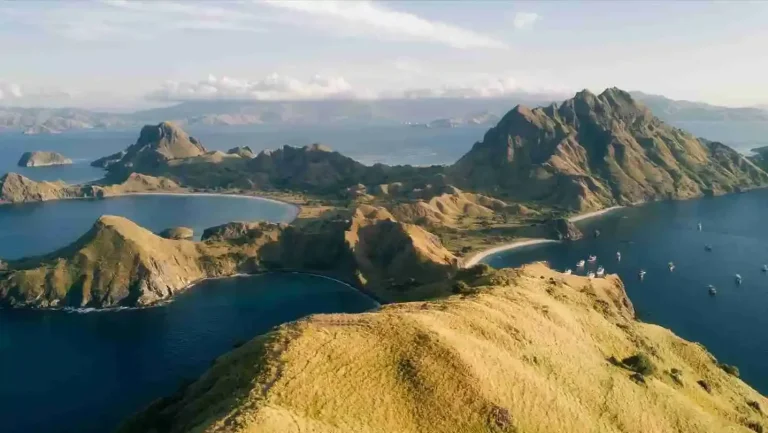
Rinca vs Padar: Which Trek Is Harder?
Padar's trek is short but steep — a climb up a stepped path to a viewpoint, done in around 30-45…
Trekking & Trails
Arriving at Loh Buaya: The Ranger Station Step by Step
Loh Buaya is the ranger station and sole entry point for visiting Rinca Island. From the moment your boat ties…