
Visiting Rinca Island in the Rainy Season
Yes, Rinca Island stays open during the rainy season (roughly December-March), and ranger-led treks continue to run. What changes is trail surface (muddier on the medium and long routes), sea conditions for the boat crossing, and the occasional need for rangers to adjust or shorten a route after heavy rain. This page covers what genuinely changes and what does not, so you can plan a wet-season visit realistically rather than avoid it out of an assumption that the park closes.
- The park does not close for rainy season; treks continue with route adjustments as needed.
- The biggest practical change is boat-crossing conditions, not trekking access.
- December-January sees the heaviest rainfall; shoulder months carry a lighter mix of rain and lower crowds.
Last updated: 25 August 2026
Is Rinca Island Open During the Rainy Season?
Yes. Komodo National Park operates year-round, and Rinca Island’s ranger station and trekking routes remain accessible through the wet season. There is no seasonal closure of the park itself. What genuinely changes during wetter months is trail surface, the likelihood of a shortened or rerouted trek on a specific day, and boat-crossing comfort — not whether you can visit at all.
What Actually Changes in Wet-Season Conditions
- Trail surface. The medium and long treks (see our trek distances comparison) cross grassland and dirt sections that become muddy and slippery after rain; the short trek near the ranger station is less affected.
- Boat crossing conditions. The Labuan Bajo-to-Rinca transit can be choppier during the transitional months and can occasionally be delayed or rescheduled by operators for safety; check current sea-condition advisories with your operator on the day.
- Route decisions. Rangers may shorten or modify a route after heavy rain based on trail safety, which is a normal, expected adjustment rather than a sign something has gone wrong with your booking.
- Lighting and photography conditions. Overcast wet-season skies produce flatter light than dry-season golden hour, though dramatic storm-light photography is also a genuine wet-season upside for some photographers.
Month-by-Month Rainfall Pattern
| Period | General pattern |
|---|---|
| April-October (dry season, driest months) | Lowest rainfall, most reliable sea and trail conditions, peak crowd months July-September |
| November | Dry-season tail, transitional: increasing but inconsistent rainfall |
| December-February | Wet season, heaviest rainfall of the year, most likely period for route or schedule adjustment |
| March | Wet season easing, rainfall tapering toward the dry season |
General regional pattern for eastern Nusa Tenggara; specific conditions vary year to year and should be checked against a current forecast close to your travel date.
Advantages of Visiting in the Wet Season
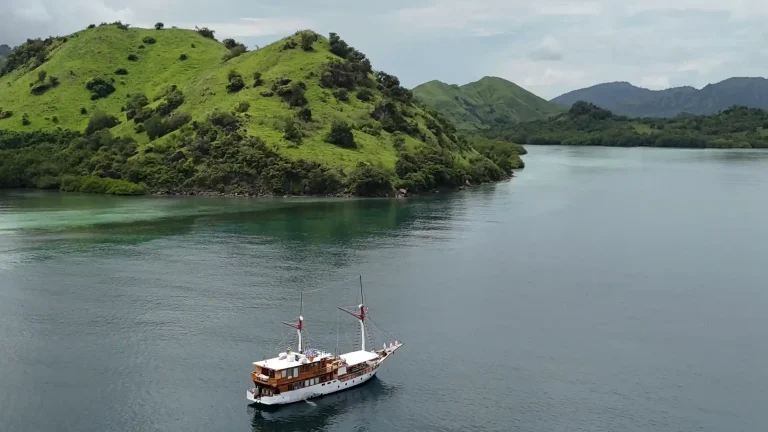
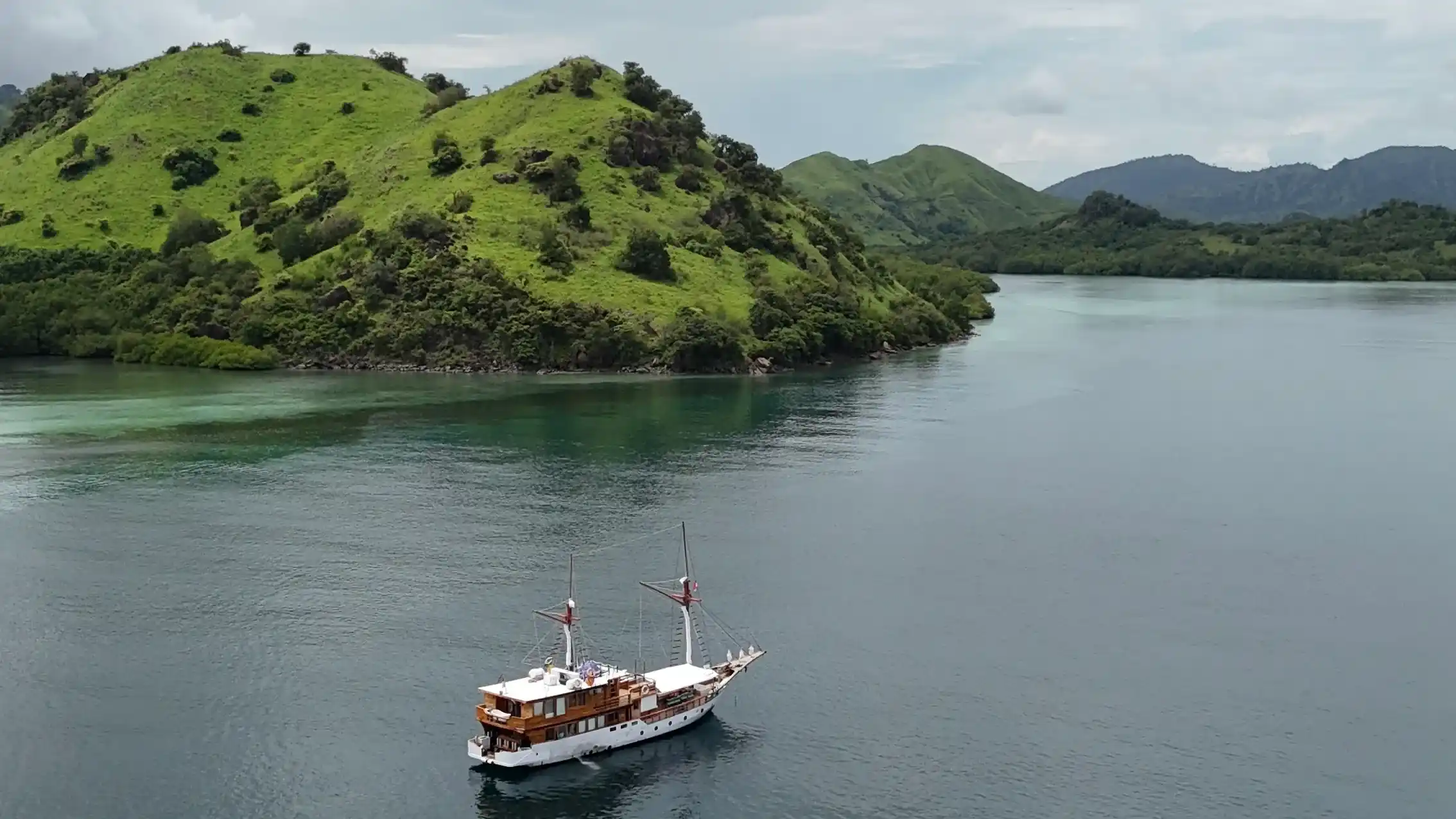
The wet season is Komodo National Park’s low season for tourism, which means smaller trekking groups, less pressure on the daily visitor quota (see our quota explainer), and a greener, more dramatic savanna landscape than the dry-season brown grass most photos show. Travelers prioritizing a quieter experience over guaranteed sunshine sometimes prefer this window specifically for those reasons.
Leeches and Wildlife Notes
Increased ground moisture during wet months can bring out more insect activity along the trekking routes; closed footwear and insect repellent are worth carrying regardless of season, but more so in wetter months. This is a minor practical note rather than a significant deterrent — it does not change the core ranger-led trekking experience described on our safety and ranger protocol page.
Should You Cancel or Reschedule for Rain?
A forecast showing rain on your travel date is not, by itself, a reason to cancel a Rinca Island trip; light to moderate rain rarely stops a scheduled trek from proceeding with normal ranger supervision. The decision to delay or reroute is made by rangers and boat operators based on actual conditions on the day (sea state, trail safety), not by a forecast alone. If safety conditions genuinely warrant it, your operator will communicate a schedule change directly rather than leaving you to guess from a weather app.
Wet-Season Trekking: What to Expect Route by Route
The short trek (operator-reported ~1.5–2 km, flat, see Rinca Island Trek Distances: Short vs Medium vs Long) is the least affected by rain, since it stays close to the ranger station on relatively firm ground. The medium trek’s ridge crossing and the long trek’s upper savannah slopes are where mud and reduced footing become a real factor, and rangers are more likely to recommend the medium route over the long route on a visibly wet day. If the long trek matters to you specifically, ask your operator about recent trail conditions before locking in your date, particularly in December and January.
Combining a Wet-Season Visit With Other Activities
Snorkeling conditions during the wet season can also shift — increased runoff can reduce underwater visibility at some sites compared to dry-season peak clarity, though this varies significantly by exact location and week. If diving or snorkeling clarity is a priority for your trip, ask your operator which specific sites tend to hold up best during the wetter months rather than assuming every stop on a standard itinerary will be equally affected.
Frequently Asked Questions
Is Rinca Island open during the rainy season?
Yes, the park does not close seasonally; ranger-led treks continue year-round with route adjustments made as conditions require.
Is it safe to visit Rinca Island during the wet season?
Yes, under normal ranger supervision, though boat-crossing conditions and trail surface can both be affected by heavy rain, and your operator may adjust timing accordingly.
Which months have the heaviest rainfall near Rinca Island?
December through February typically see the heaviest rainfall in this part of eastern Nusa Tenggara.
Are there fewer crowds at Rinca Island in the wet season?
Yes, the wet season is the tourism low season, generally meaning smaller trekking groups and lighter pressure on the daily visitor quota.
Does rain cancel a scheduled boat crossing to Rinca?
Not automatically; the decision is made by your operator based on actual sea conditions on the day, not a forecast alone.
What should I pack differently for a rainy-season Rinca trip?
A light rain jacket, closed shoes with grip for muddier trail sections, and insect repellent, in addition to standard trekking gear.
Is the long trek ever closed entirely during the wet season?
Rangers can restrict a specific route on a specific day if conditions are unsafe, though this is a day-by-day operational decision rather than a fixed seasonal closure of any route.
Does snorkeling visibility drop in the rainy season?
It can, at some sites, due to increased runoff; visibility varies by exact location and week, so ask your operator which sites tend to hold up best during wetter months.
Quick Facts & Related Questions
- Can I see Komodo dragons on Rinca in rainy season? Rinca stays open during the rainy season (roughly December-March) and ranger-led treks continue to run; what changes is trail surface, sea conditions, and the occasional short delay.
Plan a Wet-Season Rinca Island Trip with Komodo Luxury
Ask Komodo Luxury about current conditions before you book a wet-season date.
Keep Reading
When to Go & Weather
Dry-Season Travel to Rinca Island: What Changes
Dry-season travel to Rinca Island — roughly April through November — trades the wet season's lush green savanna for firmer…
When to Go & Weather
Rinca Island Seasons in the Komodo Park Calendar
Beyond weather, the best time to visit Rinca Island depends on Komodo National Park's booking calendar: the SiOra system's three…
When to Go & Weather
Rinca Island in August: What to Expect
Last updated: August 25, 2026. August sits within Komodo National Park's dry season, meaning visitors to Rinca Island can generally…