Photographing Rinca Island: Gear, Light & Ethics
For photographing Rinca Island, a mid-range zoom (roughly 70-200mm equivalent) covers both wildlife at a safe distance and landscape shots without swapping lenses mid-trek. Shoot early morning for the softest light and the most active wildlife, keep the mandatory safety distance from Komodo dragons at all times, and protect your gear from dust on the dry-season savanna trails.
Rinca Island rewards photographers who plan around its light, terrain, and wildlife rules rather than just showing up with a camera bag. Here’s what actually matters for getting good images without slowing down your group or breaking safety guidelines.
What Camera Gear Works Best for Rinca Island?
- A mid-range zoom lens (roughly 70–200mm equivalent) is the most practical single lens — it covers wildlife at the mandatory safety distance from dragons and buffalo without needing a dedicated super-telephoto.
- A wide-angle lens or your phone’s wide setting for the savanna landscape shots — Rinca’s open, rolling terrain photographs well wide.
- A lens cloth and dust protection — dry-season trails kick up fine dust that gets into gear bags and onto lens surfaces quickly.
- Extra battery and memory card — there is no power outlet or shop on the island to buy either.
Komodo Dragon Photo Safety Rules
Rangers set and enforce a minimum safety distance from any Komodo dragon sighting — this is a non-negotiable safety rule, not a suggestion for a better composition. Practical implications for your photography:
- Do not approach closer than your ranger indicates to get a tighter shot — use your zoom lens instead.
- Do not use flash close to a dragon — follow your ranger’s guidance on flash use generally.
- Do not crouch or lie down near a dragon for a low-angle shot without explicit ranger approval — sudden position changes near wild dragons are a safety concern.
Best Photo Spots on Rinca Island
| Spot | What to shoot | Best light |
|---|---|---|
| Loh Buaya bay and jetty | Arrival shots, mangrove reflections, boats | Early morning |
| Savanna near the ranger station | Timor deer, wide landscape, golden grass | Early morning or late afternoon |
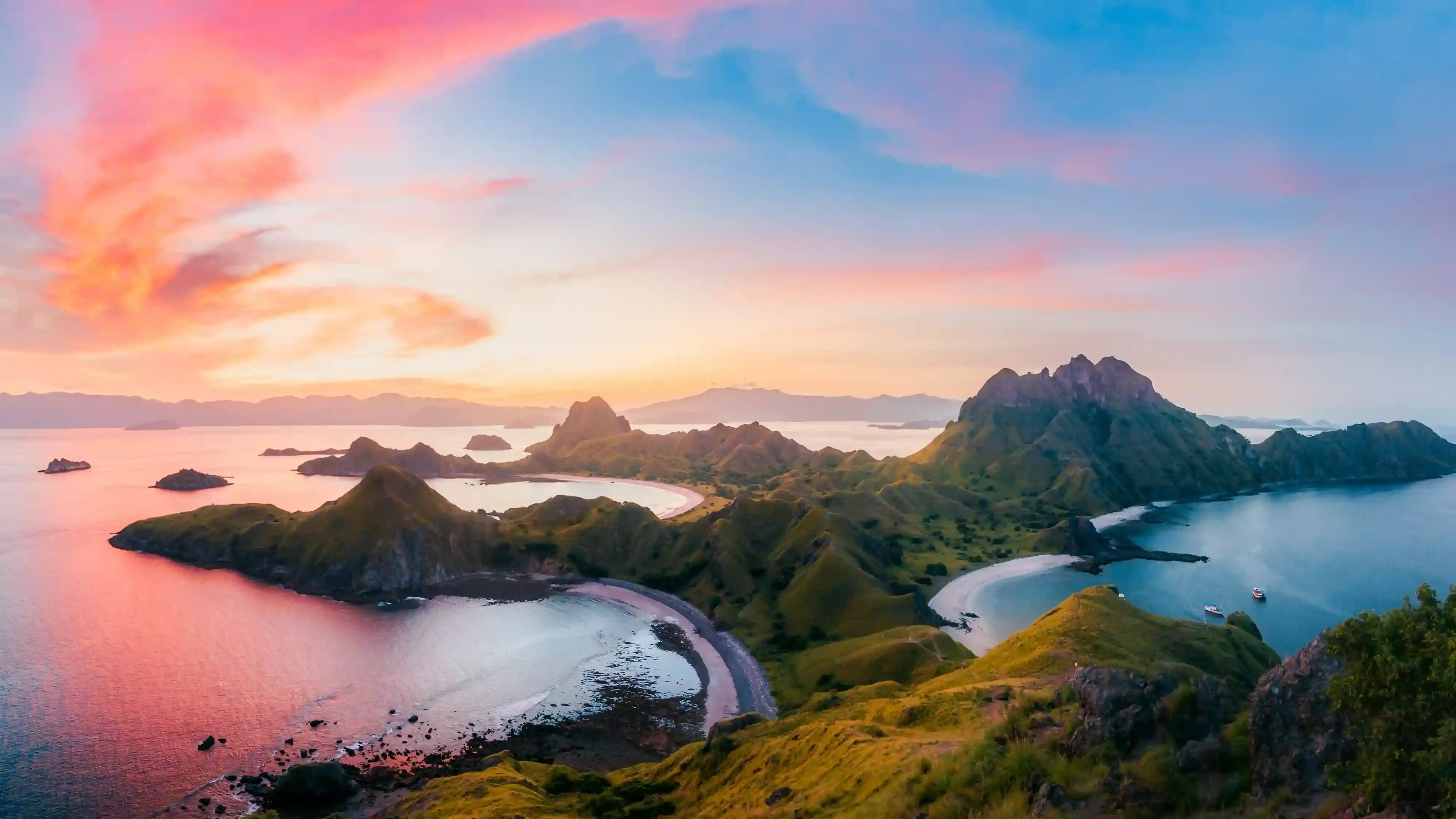
| Ridge viewpoint (long trek) | Panoramic views toward Padar and surrounding bays | Late afternoon, avoiding midday haze |
| Forest edge sections | Macaques, birdlife, texture and shade | Mid-morning, dappled light |
See our Rinca Island Map: Trails, Jetty & Coordinates for which trek reaches which of these spots.
What Is the Best Season and Time of Day for Photography?
Early morning departures give you the softest light and the most active wildlife — both deer and buffalo tend to be more visible before the midday heat sets in. Seasonally, the dry season (roughly April–November) offers the golden-grass savanna look most Rinca photos are known for, while the wet season (roughly December–March) gives greener, moodier landscapes with more dramatic sky but less predictable wildlife visibility. Neither season is objectively “better” for photography — they produce different looks, and which you prefer depends on the shot you’re after.
Wildlife Photography Tips Beyond the Dragon
Rinca Island Wildlife: Deer, Buffalo, Birds & Snakes covers the full range of species you might encounter, but for photography specifically: Timor deer in open savanna are the most reliably photographable subject, water buffalo require a longer lens and more patience since they’re less active midday, and birds — especially the yellow-crested cockatoo and various raptors — require quiet timing and often a longer lens than you’d expect for smaller subjects at distance.
Working With Rinca’s Harsh Midday Light
If your schedule puts you on the trail in the middle of the day rather than early morning, expect flat, harsh overhead light and strong shadows — not ideal conditions, but workable if you shoot with awareness of it. Positioning subjects to avoid direct top-down shadow on faces (for portrait-style shots of your own group), and leaning into black-and-white or high-contrast processing for wildlife and landscape shots taken at midday, can turn a difficult lighting situation into a usable one rather than fighting it.
Are There Photography Regulations on Rinca Island?
Casual personal photography for your own trip is not separately permitted or restricted beyond the dragon safety-distance rule. Commercial photography, professional shoots, and drone use inside Komodo National Park require separate permits arranged through the park authority — the SiOra platform includes online permit services for activities like commercial photography and drone use, so plan ahead if your trip involves either.
Protecting Your Gear on a Boat and Trek
Salt spray, humidity, and fine trail dust are the three things most likely to damage camera equipment on a Rinca Island trip. A simple dry bag protects gear during the boat crossing, a rain cover or plastic bag protects against sudden showers during the wet season, and wiping down equipment at the end of each day — rather than only when something looks dirty — prevents dust and salt residue from working into moving parts like zoom rings and buttons over a multi-day trip.
A Note on Editing and Sharing Wildlife Photos
If you plan to share your Rinca Island photos publicly, consider captioning wildlife shots honestly — noting that a photo was taken on a ranger-led trek at a safe distance, for instance, helps other travelers understand what a responsible visit actually looks like, rather than implying an unrealistically close encounter that could encourage risky behavior from someone who hasn’t been there yet.
Frequently Asked Questions
What camera lens is best for photographing Komodo dragons on Rinca Island?
A mid-range zoom, roughly 70–200mm equivalent, lets you photograph dragons at the mandatory ranger-enforced safety distance without needing to get closer.
What are the Komodo dragon photo safety rules on Rinca Island?
Stay at the distance your ranger indicates, avoid flash near dragons unless your ranger says otherwise, and never change position suddenly (crouching, lying down) near a dragon without explicit ranger approval.
What is the best time of day for photography on Rinca Island?
Early morning, for the softest light and the most active wildlife before midday heat sets in.
What is the best season for photography on Rinca Island?
The dry season (roughly April–November) gives the classic golden-grass savanna look; the wet season (roughly December–March) gives greener, moodier landscapes. Each suits a different style rather than one being objectively better.
Do you need a permit for drone photography on Rinca Island?
Yes. Drone use inside Komodo National Park requires a separate permit, arranged through the park authority’s SiOra online permit services.
What’s the best photo spot on Rinca Island?
The savanna near the ranger station for wildlife and golden-grass landscapes, and the long trek’s ridge viewpoint for panoramic views toward Padar — see our trail map for route details.
Can you use a tripod on a Rinca Island trek?
A compact, quickly deployable tripod is possible but often impractical given trek pacing and safety-distance movement around wildlife — most photographers find a stabilized handheld approach more practical than setting up a tripod mid-trek.
Is smartphone photography good enough for a Rinca Island trip?
For landscapes and general trip documentation, yes. For wildlife at a safe distance, a phone’s digital zoom generally can’t match a dedicated zoom lens — consider a clip-on telephoto lens attachment if a full camera isn’t practical for your trip.
Last updated: 25 August 2026.
Planning a photography-focused trip? Check Rinca Island Map: Trails, Jetty & Coordinates to choose the right route, or book a Rinca Island boat tour with Komodo Luxury, with flexible timing for golden-hour light.
Related Rinca Island Guides
- Rinca Island Cost: Full Budget Breakdown
- Rinca Island FAQ: 100 Questions Answered
- Best Time for Rinca Island
Quick Facts & Related Questions
- Photographers generally prioritise the cooler early-morning session, which gives the softest light on the savanna hills and the calmest dragon activity for photographs.
Keep Reading
Travel Journal
Rinca Island Visitor Quota: How the Daily Limit Works
Komodo National Park limits visitors to 1,000 people per day across the whole park, split into three scheduled sessions of…
Travel Journal
The Future of Eco-Tourism on Rinca Island
Last updated: August 25, 2026. Eco-tourism on Rinca Island is shaped by a straightforward tension that isn't going away: the…
Travel Journal
Preparing for a Rinca Island Expedition
Preparing for a Rinca Island expedition means covering four areas before you leave home: physical readiness for a heat-exposed trek,…