

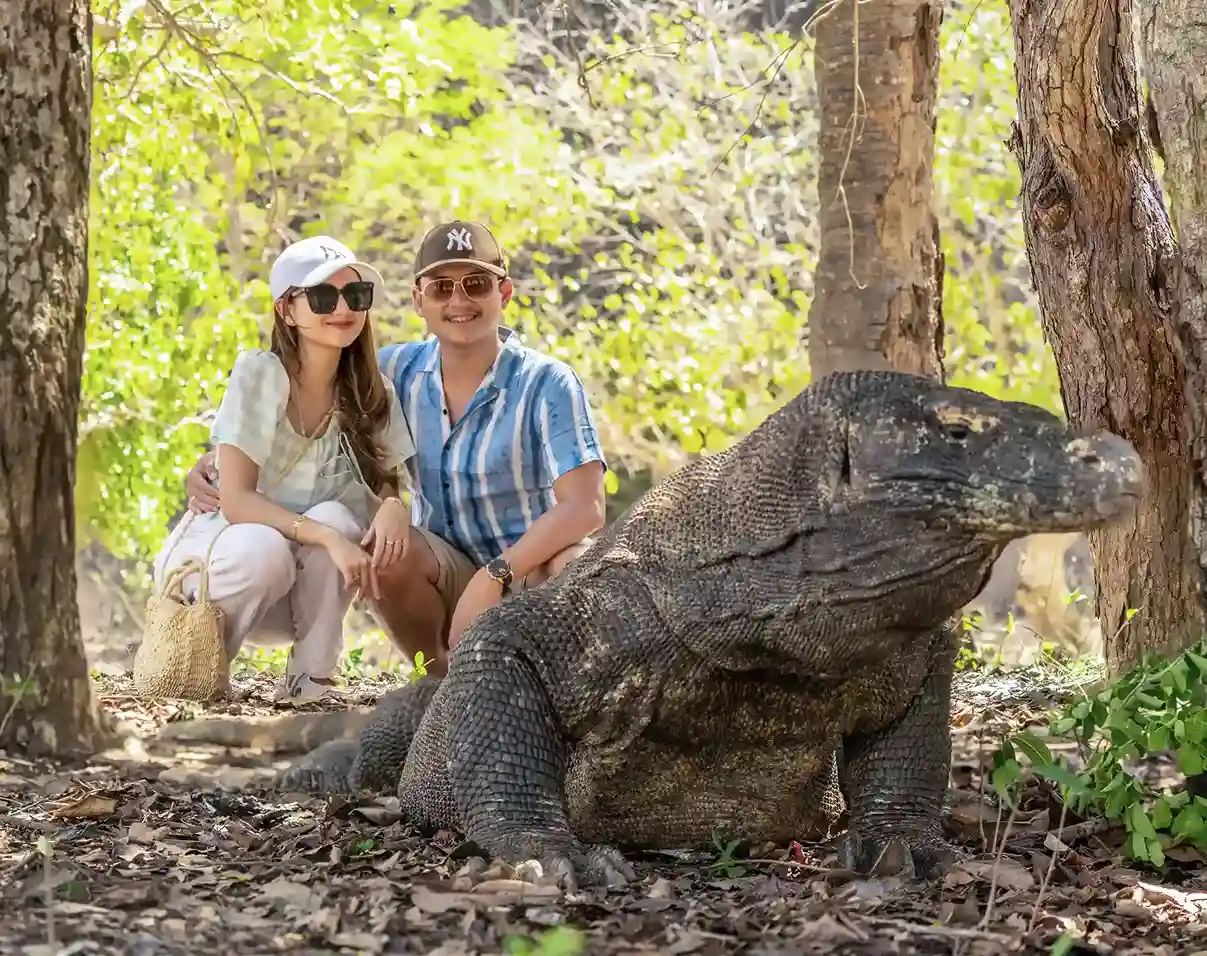
Visiting Rinca Island in 2027 means planning around three confirmed structural changes already in effect: the PP No. 36/2024 fee structure (effective since October 2024), the park-wide 1,000-visitor daily cap split into three sessions, and the SiOra e-ticket reservation system, mandatory since April 2026 for visits to Komodo National Park, Rinca Island (Loh Buaya) included. Expect these to remain the operating framework through 2027 unless the park authority publishes a further regulation update.
What’s already settled going into 2027
Three park-management systems introduced or restructured in the 2024-2026 window form the baseline any 2027 visitor should expect: the current entrance-fee schedule under PP No. 36/2024 (IDR 250,000 flat for foreign visitors; IDR 50,000/75,000 for Indonesian citizens), the park-wide visitor quota of 1,000 per day across three sessions, and SiOra’s advance e-ticket reservation requirement. None of these are proposals or rumors — they are active regulations as of this review.
What to expect at the ranger station in 2027
The core Loh Buaya visitor experience — mandatory ranger-guided trekking on three route options, basic facilities near the station, no accommodation on the island — is a stable, long-standing structure that is not expected to change materially for 2027. Visitors planning a 2027 trip should reference our full FAQ and trekking guide for the current operational detail rather than assuming a different setup.
Booking trends to expect in 2027
With SiOra reservation now established practice since April 2026, expect advance online booking to be the norm rather than the exception for 2027 travellers. A Rinca-inclusive itinerary needs a SiOra reservation exactly as a Komodo or Padar one does, so confirm with your chosen operator well before travel that the session for your date is already held.
What could change before or during 2027
Park fee schedules, quota rules, and booking systems in Indonesia’s national parks have been revised more than once in recent years (PP No. 36/2024 itself was a restructuring of an earlier fee system), so travellers should treat any published figure — including the ones on this page — as current as of its stated review date, and re-check the official KSDAE source, the Balai Taman Nasional Komodo official tariff page (archived copy, 11 Feb 2026 — the live page is currently returning a server error), close to their actual travel date rather than relying solely on any single article, this one included.
Planning a 2027 Rinca Island trip: practical takeaways
Budget using the current PP No. 36/2024 figures as your baseline (a park-side cost of IDR 400,000-525,000 per day for a foreign visitor, depending on group size and on what an operator has already bundled in), build in a SiOra reservation step for Komodo/Padar-inclusive itineraries, and book boats and accommodation ahead of peak dry-season demand (June-September), which is expected to continue as the busiest period into 2027 based on established seasonal patterns.
How this site will keep 2027 information current
Rather than publishing a single static prediction and leaving it unreviewed, this page is treated as a living reference — revisited whenever the park authority publishes a new regulation, fee update, or booking-system change, with the “last updated” date and the specific source cited alongside any revision. Readers planning a trip well ahead of 2027 should treat any figure here as a snapshot current to its stated date, not a permanent guarantee.
Longer-term context: why Komodo National Park regulation keeps evolving
The pace of change across fee structures, quota systems, and booking platforms in recent years reflects a park authority actively adjusting its management approach in response to visitor growth and conservation pressure, rather than administrative instability. Travellers accustomed to more static regulatory environments elsewhere should expect this pattern of periodic, purposeful revision to continue into 2027 and beyond, rather than assuming the current framework is permanently fixed.
What smart 2027 travellers are already doing
Experienced Komodo-region travel planners are treating flexibility as a genuine asset for 2027 bookings — favouring operators with clear rebooking policies in case of a regulation change, checking official sources directly rather than relying solely on secondhand summaries close to travel dates, and building modest schedule buffers around any government-system-dependent step like SiOra reservation.
Frequently asked questions about visiting Rinca Island in 2027
Will Rinca Island entrance fees change again before 2027?
No confirmed change beyond PP No. 36/2024 has been published as of this review; always verify current fees against the official KSDAE source close to your travel date rather than assuming a fixed long-term rate.
Does the SiOra reservation requirement already cover Rinca in 2027?
Yes. Advance SiOra reservation has been required for visits to Komodo National Park as a whole, Rinca Island (Loh Buaya) included, since April 2026, and no change to that scope has been published as of this review.
Will the 1,000-visitor daily quota change for 2027?
No published change to the park-wide quota structure has been announced as of this review; it remains a whole-park cap across three sessions, not a per-island figure.
What hasn’t changed and likely won’t
Some elements of a Rinca Island visit are structural rather than regulatory and are unlikely to shift by 2027 regardless of fee or booking-system updates: the Loh Buaya visitor zone remains without permanent residents beyond ranger staff (a small fishing settlement, Kampung Rinca, exists elsewhere on the island’s coastline, outside the standard tourist route), there is still no commercial accommodation on Rinca itself, the mandatory ranger-guide requirement remains a core safety and conservation feature, and the trekking-route options at Loh Buaya are expected to continue in broadly their current form.
A practical timeline for a 2027 booking
For peak dry-season 2027 dates (June-September), begin researching operators and checking current fee/booking requirements at least 2-3 months ahead; for shoulder-season dates, 4-6 weeks is typically sufficient. In either case, a final regulation check within the last 1-2 weeks before travel is good practice given how often park-management systems here have been updated in recent years.
Last updated: August 29, 2026. Figures reflect regulations in effect at time of publication; always verify close to your travel date against the archived KSDAE rate card linked on our entrance fee and permits page, which also records that the authority’s live page is returning a server error.
For the current full trip-planning picture, start with our Rinca Island FAQ and cost & pricing guide. Book with an operator staying current on regulation changes, such as through Komodo Luxury’s boat tour listings.
Quick Facts & Related Questions
- This page brings together transport, fees, trekking, and timing in one place rather than splitting the basics across several sources.
- First-time visitors are usually best served by a standard shared-boat day trip covering the main Loh Buaya trek before deciding whether to add diving or a multi-day liveaboard on a future trip.
- Is Rinca worth visiting? Most visitors find Rinca worth visiting specifically because it sees fewer boats than Komodo Island’s Loh Liang while offering the same wild Komodo dragon sightings on a ranger-guided trek.
Keep Reading
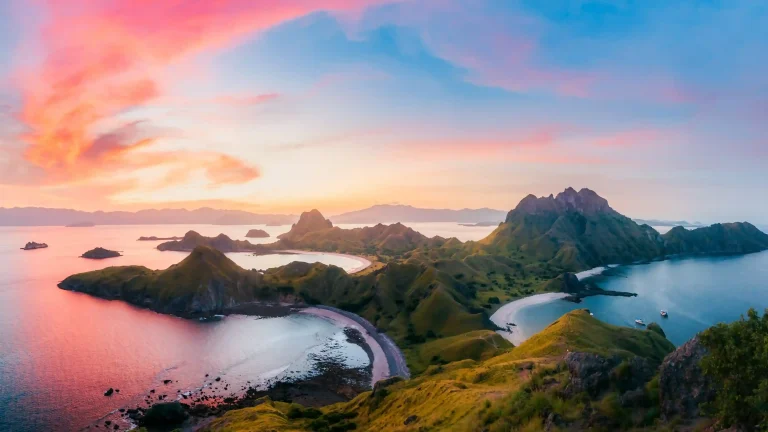
Travel Journal
Photographing Rinca Island: Gear, Light & Ethics
For photographing Rinca Island, a mid-range zoom (roughly 70-200mm equivalent) covers both wildlife at a safe distance and landscape shots…
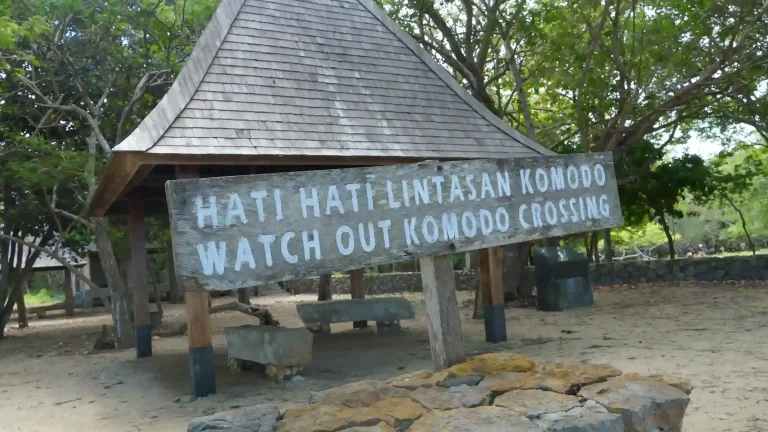
Travel Journal
Rinca Island Visitor Quota: How the Daily Limit Works
Komodo National Park limits visitors to 1,000 people per day across the whole park, split into three scheduled sessions of…
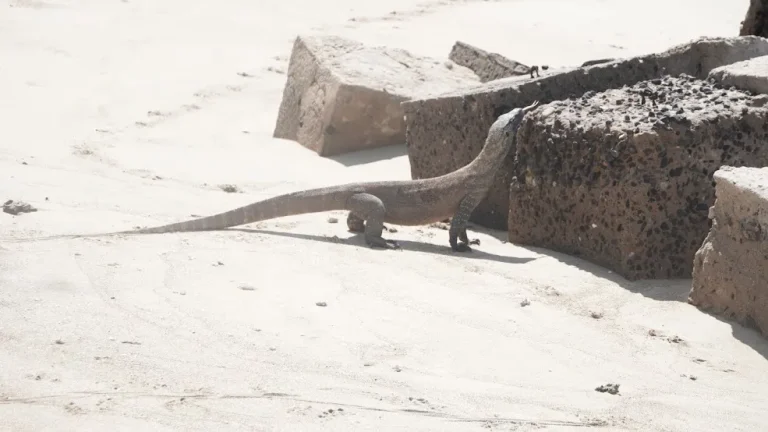
Travel Journal
The Future of Eco-Tourism on Rinca Island
Last updated: August 25, 2026. Eco-tourism on Rinca Island is shaped by a straightforward tension that isn't going away: the…