
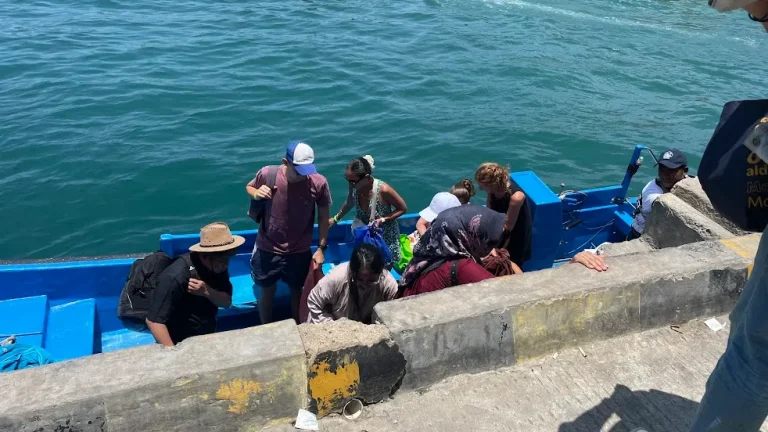
Climate Change and the Rinca Island Ecosystem
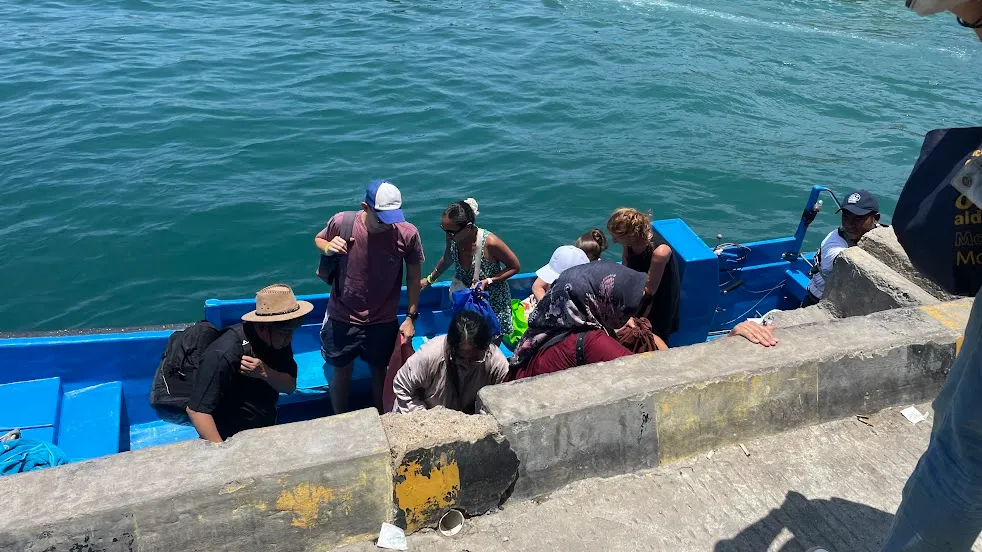
Komodo National Park, including Rinca Island, has been identified in a global UNESCO/NOAA assessment as one of the World Heritage coral reef sites at elevated risk of frequent severe thermal stress and bleaching, while separate park planning documents link periodic El Niño-driven warming and prolonged drought to coral bleaching and savanna fire risk on land. Evidence specific to Rinca’s terrestrial wildlife under climate stress remains limited.
Last updated: 25 August 2026.
What Do We Actually Know About Climate Change’s Impact on Rinca Island’s Ecosystem?
Two categories of documented evidence exist: reef-focused climate risk assessments covering the whole park, and park management documentation linking regional climate variability (El Niño/La Niña cycles) to coral bleaching and drought-driven fire risk on land. What is thinner is Rinca-specific, peer-reviewed research quantifying effects on the island’s terrestrial wildlife, including the Timor deer that Komodo dragons depend on as prey — that connection is logically plausible and flagged as a concern in planning documents, but not yet backed by a dedicated field study we can point to.
What Does the UNESCO/NOAA Reef Assessment Say?
A 2017 global assessment of climate impacts on World Heritage coral reefs, produced by the UNESCO World Heritage Centre together with NOAA Coral Reef Watch, used satellite sea-surface-temperature data to model bleaching risk across World Heritage-listed reef sites worldwide, and identified Komodo National Park as one of the properties projected to face frequent, severe thermal stress events. This is a global comparative study, not a Rinca-specific field survey, but it is the clearest named reference connecting this exact park to documented climate-driven reef risk.
What Do Park Management Documents Say About Drought and Fire Risk?
Komodo National Park’s own management planning documentation notes that regional El Niño/La Niña cycles, which recur roughly every three to five years, bring warming ocean water linked to coral bleaching and mortality, and separately notes that prolonged droughts increase both fire risk and vegetation mortality in the park’s savanna habitats — the same open grassland terrain that supports Timor deer, the Komodo dragon’s primary prey. The logical chain from drought to degraded grazing habitat to prey pressure is described as a management concern rather than as a quantified, measured population effect.
Is There Sea-Level Rise Research Specific to Rinca Island?
Not that we’ve found. General coastal-climate literature covers mechanisms by which sea-level rise can reduce nesting and coastal habitat globally, but no Rinca-specific or Komodo-specific study we located quantifies this for the park’s coastlines. We flag this as a genuine research gap rather than stating an effect we cannot support.
What Is Komodo National Park’s UNESCO Status?
Komodo National Park was inscribed on the UNESCO World Heritage List in 1991 under natural criteria (vii) and (x), recognising its exceptional natural beauty and the presence of the Komodo dragon as a globally significant species. Separately, the wider Komodo area was designated a UNESCO Man and the Biosphere Reserve in 1977 — an earlier, related but distinct conservation designation covering overlapping territory.
Why Does This Matter for Visitors?
None of this changes what a standard Rinca Island visit looks like today, but it is part of why the park operates under strict conservation rules — marked trails only, no littering, reef-safe sunscreen encouraged near snorkel sites — and why park authorities continue to monitor conditions rather than treating the ecosystem as static. Responsible visitor behaviour, covered in Rinca Island Packing Guide‘s eco-friendly checklist, contributes in a small way to the park’s broader conservation effort.
What Is Being Done to Monitor These Risks?
Park authorities and affiliated conservation researchers continue monitoring reef health, fire incidence and general habitat conditions as part of ongoing park management — this is standard practice for a UNESCO World Heritage-listed protected area, not a response unique to climate concerns. Global bodies including UNESCO’s own World Heritage Centre periodically reassess climate vulnerability across listed sites, of which the 2017 NOAA-partnered reef assessment is one output; further reassessments would be expected as part of that same ongoing process.
How Should Visitors Think About This When Planning a Trip?
None of this changes the practical experience of a Rinca Island visit today, and it shouldn’t be read as a reason to avoid visiting — well-managed, ranger-guided tourism that follows park rules is broadly compatible with the conservation goals behind these same UNESCO designations. What it does mean is that small, low-effort choices — reef-safe sunscreen, not touching coral while snorkelling nearby, packing out all rubbish, choosing operators who follow anchoring guidelines that avoid reef damage — connect to a larger conservation picture rather than being purely symbolic gestures.
Where Can You Read the Primary Sources Yourself?
The 2017 UNESCO/NOAA global reef assessment is published through the UNESCO World Heritage Centre’s own documentation, and general information on Komodo National Park’s World Heritage and Biosphere Reserve status is available directly from UNESCO’s own site listings. We link to primary sources rather than only secondary summaries specifically so readers can verify these claims independently rather than taking our summary on faith.
How Does This Compare to Climate Risk at Other Coral Reef World Heritage Sites?
The 2017 UNESCO/NOAA assessment evaluated reef risk across all World Heritage-listed reef properties globally, not Komodo in isolation, and found that a majority faced meaningfully elevated bleaching risk under the emissions scenarios modelled at the time — Komodo’s inclusion places it within a broader global pattern affecting reef systems generally, from the Great Barrier Reef to reefs in the Caribbean and Red Sea, rather than marking it out as an unusually extreme case.
What Role Does Tourism Play in Either Direction?
Poorly managed tourism (careless anchoring on live coral, uncontrolled diver contact with reef structures, litter) can compound climate-driven reef stress by adding physical damage on top of thermal stress. Well-managed tourism, conversely, generates the revenue and monitoring attention that helps fund ongoing park conservation work, and responsible operators following anchoring and diving guidelines actively reduce the avoidable share of reef damage. This is one reason park authorities continue to permit and regulate visitor access rather than closing sites outright — managed access with clear rules is treated as more sustainable than either unrestricted access or a blanket closure.
What Would a Meaningful Update to This Page Look Like?
If a Rinca-specific or Komodo-specific peer-reviewed field study on climate impacts to terrestrial wildlife or sea-level effects on nesting habitat is published, we would update this page to cite it directly rather than continuing to rely on the broader reef assessment and park management documentation referenced here. Until then, we’ve deliberately avoided stating a false level of certainty about local, Rinca-specific ecological effects that the current published evidence doesn’t yet support.
Frequently Asked Questions
Is Komodo National Park at risk from climate change?
Yes, a 2017 UNESCO/NOAA global assessment identified it as a World Heritage reef site facing elevated risk of frequent severe coral bleaching events.
Does climate change affect Komodo dragons directly?
Direct, quantified research on Komodo dragons specifically is limited; park management documents flag drought-driven habitat degradation as a concern for prey species like Timor deer, but this is not yet a measured population study.
When was Komodo National Park declared a UNESCO World Heritage Site?
1991, under natural criteria (vii) and (x); the wider area was separately designated a UNESCO Man and the Biosphere Reserve in 1977.
Is there research on sea-level rise affecting Rinca Island specifically?
Not that we have located; this is a genuine research gap rather than an area with documented findings.
Continue exploring Rinca Island:
Rinca Island’s place in Indonesian heritage ·
Eco-friendly packing checklist ·
Rinca Island: The Complete Travel Guide (2026-2027) ·
Plan a low-impact visit with a licensed Komodo boat tour.
Related Rinca Island Guides
- Rinca Island Cost: Full Budget Breakdown
- Rinca Island FAQ: 100 Questions Answered
- Best Time for Rinca Island
Quick Facts & Related Questions
- Before getting into how the ecosystem is changing, the baseline is simple: one ranger station, three trek loops, a fixed government fee, and no on-island accommodation — a small footprint that shapes how conservation work happens here.
Keep Reading
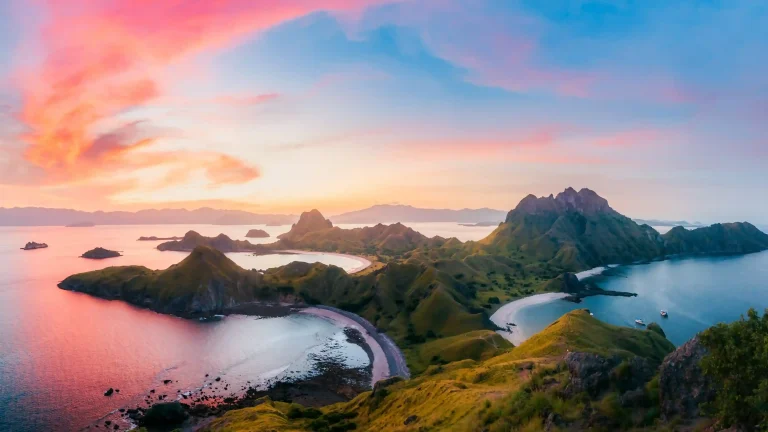
Travel Journal
Photographing Rinca Island: Gear, Light & Ethics
For photographing Rinca Island, a mid-range zoom (roughly 70-200mm equivalent) covers both wildlife at a safe distance and landscape shots…
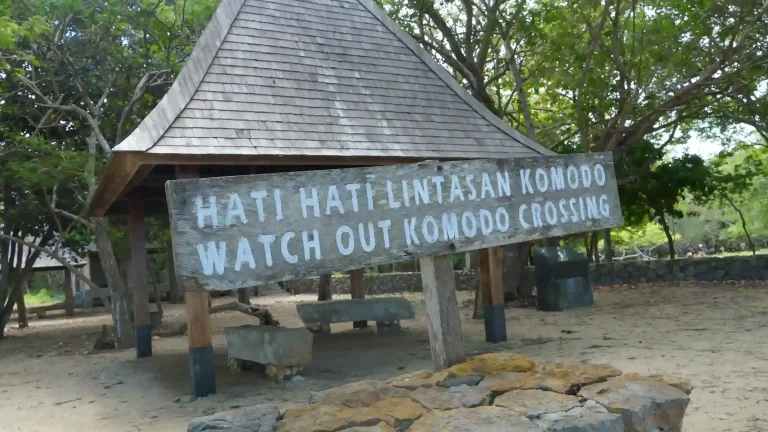
Travel Journal
Rinca Island Visitor Quota: How the Daily Limit Works
Komodo National Park limits visitors to 1,000 people per day across the whole park, split into three scheduled sessions of…
Travel Journal
The Future of Eco-Tourism on Rinca Island
Last updated: August 25, 2026. Eco-tourism on Rinca Island is shaped by a straightforward tension that isn't going away: the…