
Conservation Work on Rinca: What’s Actually Working
Komodo National Park’s conservation work centers on ranger patrols and camera-trap monitoring by the park authority, long-term dragon population studies by the Komodo Survival Program, and community-based anti-poaching cooperation in buffer zones around Rinca and Komodo Island. This page summarizes documented conservation activity reported by independent conservation organizations — this site is an independent travel guide and is not itself a funder or operator of any conservation program described below.
“Conservation success” gets thrown around loosely in Komodo travel content. This page sticks to what independent conservation organizations and researchers have actually reported about work happening in and around Komodo National Park, including Rinca, rather than making broad claims this site has no basis to verify or take credit for.
UNESCO World Heritage Status
Komodo National Park was designated a UNESCO World Heritage Site in 1991, in recognition of its terrestrial and marine ecosystems — including coral reefs, seagrass beds, and mangrove forests — alongside its role as one of only two natural habitats for the Komodo dragon. This designation has helped attract sustained international attention and conservation funding to the park over more than three decades.
Ranger Patrols & Anti-Poaching Efforts
According to conservation organizations reporting on the park, Komodo National Park’s ranger force numbers over 200, patrolling both land and sea to monitor dragon populations, deter illegal and destructive fishing practices, and enforce visitor regulations. Reports describe patrol frequency in high-risk zones increasing from weekly to daily, alongside a camera-trap and surveillance network (reported as roughly six online and twenty-one offline units) used to identify poaching hotspots and coordinate with law enforcement.
The Komodo Survival Program
The Komodo Survival Program (KSP) is an independent research organization conducting long-term population studies of Komodo dragons across the park, including Rinca. This kind of sustained monitoring — tracking population trends over years rather than a single survey — is what allows park managers and researchers to identify genuine population changes rather than guessing from anecdotal sightings.
Captive Breeding & Genetic Banking
Beyond in-park conservation, international zoos including Houston Zoo and Antwerp Zoo have been reported as partners in captive breeding and genetic banking programs for the Komodo dragon, contributing to the species’ long-term genetic diversity outside the wild population entirely.
Community-Based Conservation in Buffer Zones
Reports on the park describe community-based anti-poaching initiatives operating in the buffer zones around the park’s core islands, working with local communities — including those connected to Rinca and the wider Komodo archipelago — whose livelihoods intersect with the park’s fishing and land-use rules. This kind of community cooperation is generally considered more durable than enforcement alone, since it addresses the economic pressures that drive poaching in the first place.
Marine Conservation Alongside Land-Based Efforts
Conservation work in the park isn’t limited to dragon monitoring on land — the surrounding marine ecosystem, including coral reefs and mooring buoy programs designed to reduce anchor damage, is part of the same broader protection effort. See our sustainable yachting guide for how this plays out specifically for boats operating in the park’s waters.
How Park Fees Connect to Conservation
The PNBP entrance fee structure under PP No. 36/2024 — see our Rinca Island Entrance Fee, Permits & Quota for exact current rates — is structured as non-tax state revenue tied to the park’s operation and conservation mandate, though this site does not have a detailed public breakdown of exactly how fee revenue is allocated year to year and won’t claim a specific percentage without a citable source.
The Role of Ongoing Research
Conservation decisions in the park — quota levels, zoning adjustments, ranger deployment — are informed by ongoing data collection rather than a one-time assessment. Long-term studies like those conducted by the Komodo Survival Program provide the population trend data that makes evidence-based management possible, as opposed to reactive decisions made without a clear picture of whether a given population is stable, growing, or declining over time.
What This Site Is and Isn’t
To be direct: Rinca Island Guide is an independent travel information site. We are not a conservation organization, we do not fund or operate any of the programs described above, and we have no special access to internal park conservation data. Everything on this page reflects publicly reported information from independent conservation organizations, cited where possible, current as of the update date below.
Challenges That Remain
Honest coverage of conservation means acknowledging what’s still difficult, not just what’s working. Reports on the park describe ongoing pressure from illegal fishing practices in surrounding waters, resourcing constraints that limit how quickly patrol and monitoring infrastructure can expand, and the general challenge of balancing rising visitor numbers against conservation capacity — part of the reasoning behind both the 2024 fee restructuring and the 2026 SiOra booking requirement. None of this is unique to Komodo; it’s a familiar tension for any protected area that is also a major tourism draw.
How Visitors Can Minimize Their Impact
- Stay on marked trails and follow ranger guidance rather than wandering for a better photo angle.
- Never feed or attempt to touch wildlife, including Komodo dragons, deer, or buffalo.
- Choose operators who follow mooring-buoy and no-anchor-on-coral practices where applicable — see our sustainable yachting guide for what to look for.
- Carry out any waste you bring in, and avoid single-use plastics where possible.
Frequently Asked Questions
What conservation efforts are underway in Komodo National Park?
Ranger patrols and camera-trap monitoring, long-term population research by the Komodo Survival Program, community-based anti-poaching cooperation in buffer zones, and international captive-breeding/genetic-banking partnerships.
Who monitors the Komodo dragon population?
The park authority’s ranger force conducts ongoing patrols and monitoring, and the Komodo Survival Program conducts independent long-term population studies.
Does visiting Rinca Island support conservation?
Entrance fees are structured as non-tax state revenue tied to the park’s operation and conservation mandate under PP No. 36/2024, though a detailed public breakdown of fee allocation is not something we can verify to a specific percentage.
Is this website involved in Komodo National Park conservation work?
No. This is an independent travel guide, not a conservation organization or funder of any program described on this page.
When was Komodo National Park designated a UNESCO World Heritage Site?
1991.
What organizations are involved in Komodo dragon conservation?
The park authority (Balai Taman Nasional Komodo), the independent Komodo Survival Program, and international zoo partners including Houston Zoo and Antwerp Zoo have all been reported as active in different aspects of dragon conservation and research.
Can tourists directly support Komodo National Park conservation?
Paying the official PNBP entrance fee is the most direct, verifiable way a visitor contributes, since it’s structured as non-tax state revenue tied to the park’s operation and conservation mandate.
How can I verify conservation claims I read about Komodo National Park?
Look for reporting from independent, named organizations (such as WWF-Indonesia, Global Conservation, or the Komodo Survival Program) rather than unattributed claims on a travel or booking website, and treat any specific statistic without a named source as unverified.
Does Komodo National Park publish an annual conservation report?
The park authority and partner organizations periodically publish updates and reports, though not always as a single consolidated annual document — checking the park authority’s own channels directly is more reliable than a secondhand summary.
Last updated: 25 August 2026.
Choosing an operator with a transparent safety and conservation track record is itself a form of support for the park — see how a properly licensed trip is run via Komodo Luxury’s boat tour.
Curious how park fees work? See Rinca Island Entrance Fee, Permits & Quota, or read about broader park regulation in our permits and park fees overview.
Keep Reading
Travel Journal
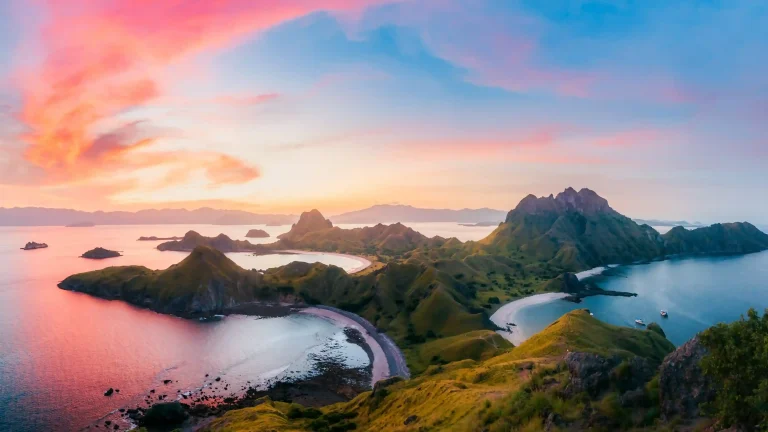
Photographing Rinca Island: Gear, Light & Ethics
For photographing Rinca Island, a mid-range zoom (roughly 70-200mm equivalent) covers both wildlife at a safe distance and landscape shots…
Travel Journal
Rinca Island Visitor Quota: How the Daily Limit Works
Komodo National Park limits visitors to 1,000 people per day across the whole park, split into three scheduled sessions of…
Travel Journal
The Future of Eco-Tourism on Rinca Island
Last updated: August 25, 2026. Eco-tourism on Rinca Island is shaped by a straightforward tension that isn't going away: the…