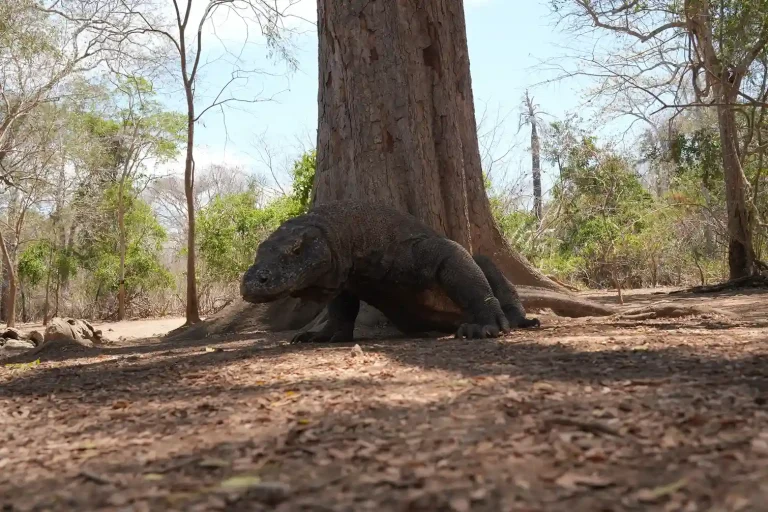
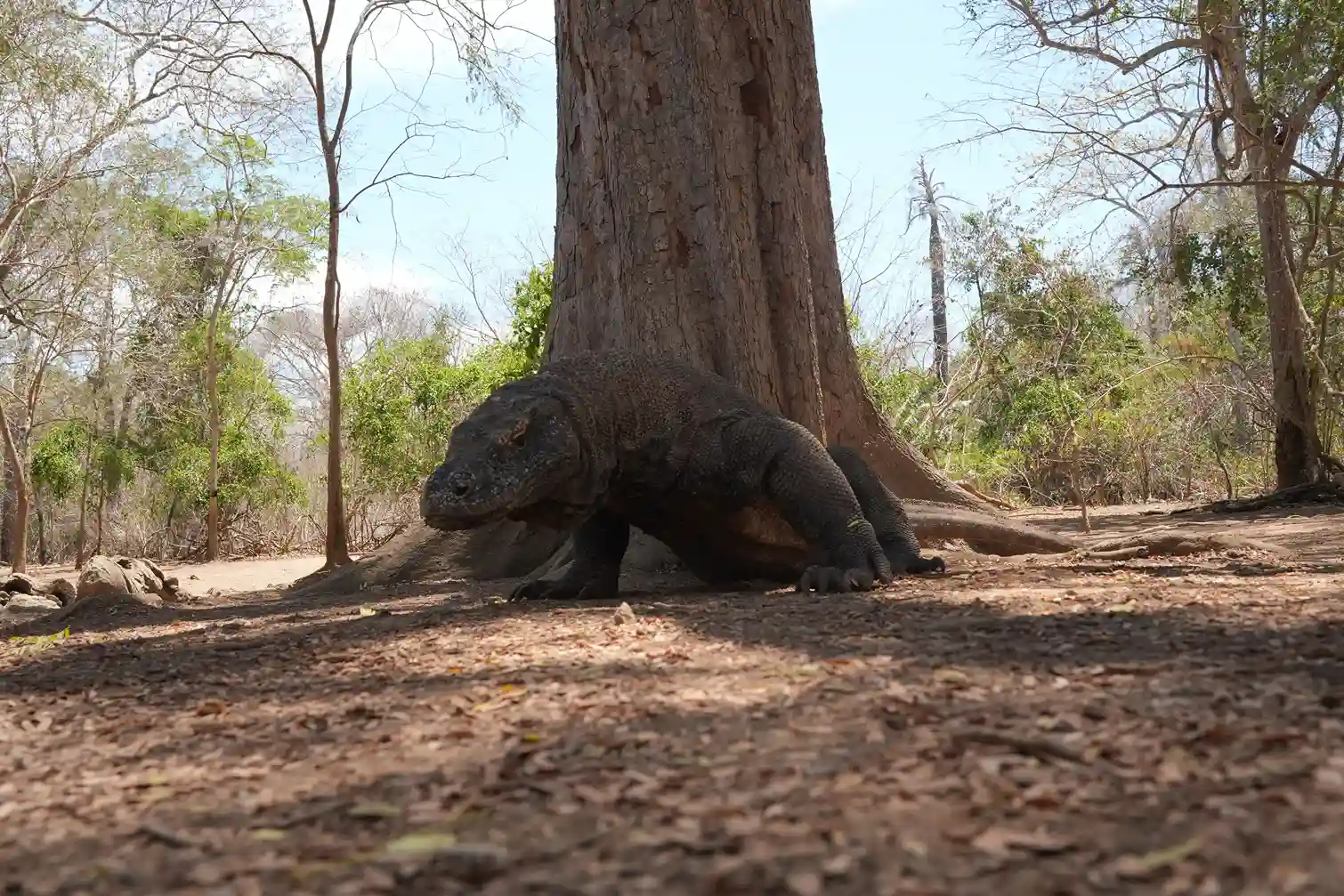
Rinca Island sits inside Komodo National Park, a UNESCO World Heritage Site inscribed in 1991 and part of a UNESCO Man and the Biosphere Reserve designated in 1977 — two related but distinct conservation recognitions. Its cultural significance is tied closely to the Komodo dragon itself: a species found nowhere else on Earth and central to how this part of East Nusa Tenggara is understood, both locally and internationally.
Last updated: 25 August 2026.
What Is Rinca Island’s Heritage Status?
Komodo National Park, encompassing Rinca, Komodo and Padar islands along with surrounding marine areas, was inscribed on the UNESCO World Heritage List in 1991 under natural criteria (vii) and (x) — recognition given for exceptional natural beauty and for containing a habitat critical to a species of outstanding universal value, the Komodo dragon. Separately, the broader Komodo region was designated a UNESCO Man and the Biosphere Reserve in 1977, an earlier and distinct programme focused on balancing conservation with sustainable human use of a region, covering overlapping territory under a different framework.
How Does Rinca Island Fit Into Regional Flores Culture?
Rinca Island itself has no resident population beyond rotating park ranger staff — it is not a village or settled community, and its cultural significance is tied to the surrounding region rather than to life on the island itself. The wider Komodo/Flores area, centred on Labuan Bajo, is home to a mix of communities including Manggarai, Bajau and Bugis heritage, with a predominantly Muslim population alongside significant Catholic and traditional communities. Visitors interested in local culture and heritage generally engage with it in Labuan Bajo and surrounding Flores towns and villages, not on Rinca itself.
What Makes the Komodo Dragon Culturally Significant?
The Komodo dragon is endemic to this specific part of Indonesia — found in the wild nowhere else on Earth — which has made it a defining symbol both for regional identity and for Indonesia’s broader tourism and conservation profile internationally. Its “discovery” by Western science in the early 20th century, and the subsequent creation of Komodo National Park to protect its habitat, is part of the same conservation history that led to the 1977 Biosphere Reserve and 1991 World Heritage designations.
How Does Conservation Status Affect a Visit to Rinca Island?
The World Heritage and Biosphere Reserve status behind Rinca Island is exactly why visits are structured the way they are: mandatory ranger guides, marked trails only, a daily visitor quota enforced through the SiOra reservation system, and strict rules against feeding wildlife or removing anything from the park. These aren’t arbitrary tourism rules — they follow directly from the conservation commitments tied to the park’s international recognition.
How Did Komodo National Park’s Conservation History Begin?
Formal protection of the Komodo dragon’s habitat traces back to Dutch colonial-era wildlife protection ordinances in the early 20th century, following the species’ documentation by Western science in 1910-1911. Indonesia formally established Komodo National Park in 1980, bringing Rinca, Komodo, Padar and the surrounding marine area under a single protected management framework. The 1977 Biosphere Reserve designation and 1991 World Heritage listing both followed this earlier national conservation decision, layering international recognition on top of protections Indonesia had already begun putting in place.
What Does “Natural Criteria (vii) and (x)” Actually Mean?
UNESCO evaluates World Heritage nominations against a defined set of criteria, and natural sites are typically inscribed under one or more of criteria (vii) through (x). Criterion (vii) recognises “superlative natural phenomena or areas of exceptional natural beauty,” which for Komodo National Park points to its dramatic volcanic island landscapes, savanna terrain and surrounding reef seascapes. Criterion (x) recognises sites containing “the most important and significant natural habitats for in-situ conservation of biological diversity,” which for Komodo National Park centres specifically on the Komodo dragon as a species found nowhere else in the wild. Both criteria being satisfied simultaneously is part of why this park’s inscription has held up as a clear-cut case in UNESCO’s own review processes.
How Does Heritage Status Compare to Other Indonesian World Heritage Sites?
Indonesia has several UNESCO World Heritage properties spanning different criteria — Borobudur and Prambanan temple compounds recognised for cultural significance, and Komodo National Park alongside Ujung Kulon National Park and Lorentz National Park recognised for natural significance. Komodo’s distinction within that natural group is its combination of a single, globally unique endemic species (the dragon) with a compact, well-defined geographic area, which has made it one of the more straightforwardly monitored natural World Heritage sites in the country.
Does World Heritage Status Ever Come With Formal Risk Reviews?
Yes — the IUCN World Heritage Outlook programme periodically reassesses the conservation status of natural World Heritage sites worldwide, including Komodo National Park, evaluating pressures such as tourism management, climate vulnerability and habitat integrity. These reviews are separate from UNESCO’s own inscription decision and function more like an ongoing report card than a one-time listing, meaning the park’s status is subject to continued external scrutiny rather than a permanent, unreviewed designation.
How Does Heritage Recognition Translate Into On-the-Ground Rules?
World Heritage and Biosphere Reserve status don’t directly write specific visitor rules — those come from Indonesia’s own national park regulations — but the international recognition adds a layer of accountability and visibility that supports continued funding and attention to the park’s management, including the ranger-guided system, trail restrictions and the SiOra quota structure covered elsewhere on this site. In that sense, the rules a visitor experiences on a Rinca Island trek are a practical expression of the same conservation commitments behind the heritage designations.
Frequently Asked Questions
Is Rinca Island a UNESCO World Heritage Site?
Rinca Island is part of Komodo National Park, which was inscribed on the UNESCO World Heritage List in 1991 under natural criteria (vii) and (x).
When did Komodo become a UNESCO Biosphere Reserve?
1977, under the UNESCO Man and the Biosphere Programme — a separate, earlier designation from the 1991 World Heritage listing.
Does anyone live on Rinca Island?
No permanent civilian population lives on Rinca Island; only rotating park ranger staff are stationed there. Local culture and community life are found in Labuan Bajo and wider Flores.
Why is the Komodo dragon culturally important to this region?
It is endemic to this specific area of Indonesia and found nowhere else in the wild, making it central to the region’s identity and to Indonesia’s international conservation and tourism profile.
When was Komodo National Park itself established?
Indonesia formally established Komodo National Park in 1980, bringing Rinca, Komodo, Padar and surrounding marine areas under one protected management framework; the UNESCO designations followed afterward.
What UNESCO criteria was Komodo National Park inscribed under?
Natural criteria (vii), for areas of exceptional natural beauty, and (x), for significant natural habitats of globally important biodiversity — in this case, the Komodo dragon.
Continue exploring Rinca Island:
Climate change and the Rinca ecosystem ·
Rinca Island: The Complete Travel Guide (2026-2027) ·
Packing & modesty guide ·
Book a conservation-respecting Komodo boat tour.
Related Rinca Island Guides
- Rinca Island Cost: Full Budget Breakdown
- Rinca Island FAQ: 100 Questions Answered
- Best Time for Rinca Island
Quick Facts & Related Questions
- Long before organised tourism, the island and its dragons were already known to local Manggarai and Bajo communities; Komodo National Park itself was designated in 1980 and inscribed as a UNESCO World Heritage Site in 1991.
Keep Reading
Travel Journal
Photographing Rinca Island: Gear, Light & Ethics
For photographing Rinca Island, a mid-range zoom (roughly 70-200mm equivalent) covers both wildlife at a safe distance and landscape shots…
Travel Journal
Rinca Island Visitor Quota: How the Daily Limit Works
Komodo National Park limits visitors to 1,000 people per day across the whole park, split into three scheduled sessions of…
Travel Journal
The Future of Eco-Tourism on Rinca Island
Last updated: August 25, 2026. Eco-tourism on Rinca Island is shaped by a straightforward tension that isn't going away: the…