Rinca Island Timing: Trekking, Snorkelling, Photography
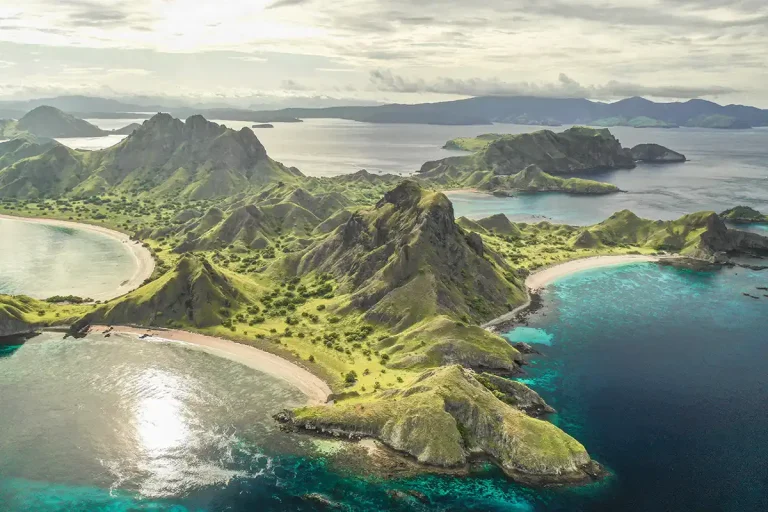
The best time to visit Rinca Island depends on which activity matters most to you: June-September for the driest, clearest trekking conditions; June and September specifically for a balance of calm seas and good snorkeling visibility before or after August’s peak winds; and the early dry season (April-June) for the greenest, most photogenic savanna landscape. There is no single “best month” that wins on every axis at once.
Best time for trekking
Dry season (roughly April-November) offers firm, dry trails without the mud and slippery rock that wet-season rain can create on Rinca’s savanna routes. Within the dry season, July-September brings the hottest, driest conditions — good for trail footing, but demanding more heat management (see our weather guide). Shoulder months (April-May, October-November) offer a milder heat trade-off with slightly less certain dryness.
Best time for snorkeling
June and September are commonly favoured for snorkeling around Rinca and the wider park — solidly within the dry season for calm water, but avoiding August’s peak trade winds, which can churn up chop and reduce visibility even on otherwise clear days. Water temperature stays warm (26-29°C) year-round, so temperature isn’t the deciding factor; wind-driven visibility and current strength are.
Best time for photography
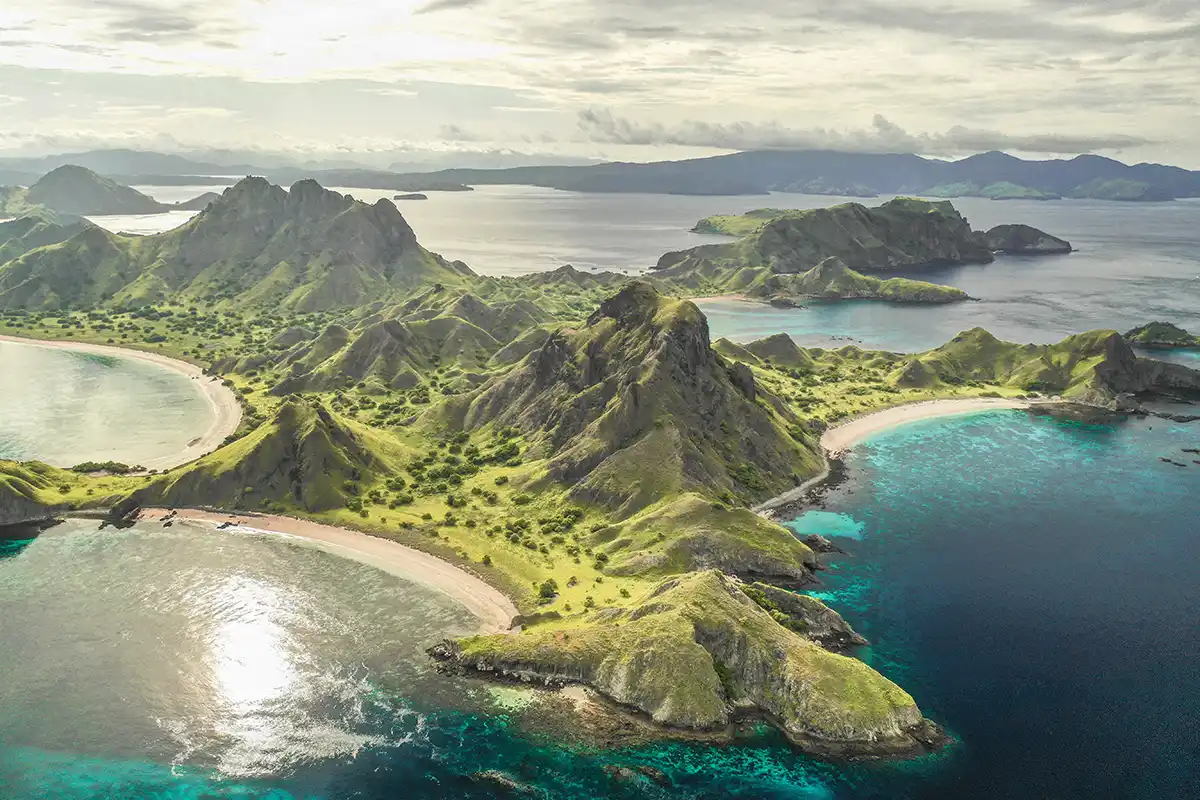
Early dry season (April-June) offers the most visually striking savanna landscape — post-wet-season greenery that gradually browns off through the dry months, giving photographers a shorter window for the greener, more dramatic look before the classic golden-brown dry-season savanna sets in from July onward. Early morning light, regardless of month, is consistently the best window for wildlife and landscape photography on any single visit, given the harsh midday sun typical of this climate.
| Priority | Recommended window | Why |
|---|---|---|
| Trekking comfort | April-June, October-November | Dry trails with less extreme heat than peak dry season |
| Snorkeling visibility | June, September | Calm water, avoiding August’s peak wind |
| Landscape photography | April-June | Greenest post-wet-season savanna |
| Lightest crowds | Shoulder months generally | Away from peak July-August travel demand |
What if my travel dates are fixed, not flexible?
Every season is workable with the right expectations set in advance: wet-season visitors should build a buffer day around the boat crossing and prioritize the short trekking loop; peak-wind August visitors should expect a livelier crossing and check current snorkeling visibility with their operator rather than assuming peak-dry-season clarity everywhere.
Balancing conflicting priorities in a single trip
Most travellers care about more than one of these three activities, which means most real trip-planning decisions involve a compromise rather than a single “perfect” month. June and September come closest to satisfying trekking comfort and snorkeling visibility simultaneously without August’s peak wind; travellers prioritizing photography above all else may accept slightly less ideal snorkeling conditions in April-May for the greener landscape trade-off.
How multi-day itineraries can hedge against seasonal trade-offs
A longer, multi-day itinerary reduces the cost of any single day’s imperfect conditions — if one day’s crossing is choppier than hoped or one snorkel stop has reduced visibility, a 4-7 day trip has more chances to catch a better day elsewhere in the schedule. Single-day visitors don’t have this buffer, which is part of why season selection matters proportionally more for a tightly time-boxed trip.
Regional context: how this compares to nearby destinations
Rinca and the wider Komodo National Park’s dry-season-favouring pattern broadly mirrors much of southern and eastern Indonesia’s monsoon rhythm, differing meaningfully from wetter, more evenly-distributed rainfall patterns found in parts of Sumatra or Kalimantan. Travellers combining a Komodo trip with other Indonesian destinations on the same journey should plan each leg’s timing independently rather than assuming one regional season applies uniformly across the whole itinerary.
Frequently asked questions about the best time to visit Rinca Island
Is there a genuinely bad time to visit Rinca Island?
January-February, the wet season’s peak, combines the highest rain frequency with the choppiest seas — not impossible to visit, but the least favourable window across trekking, snorkeling, and photography simultaneously.
Which month is best if I only care about seeing Komodo dragons?
Dragon sightings aren’t strongly tied to a specific month; early-morning trek timing matters more than season for sighting likelihood, since dragons are typically most active in cooler hours regardless of time of year.
Is August too windy to visit Rinca Island?
Not too windy to visit, but expect a livelier boat crossing and check current snorkeling conditions with your operator, since August is the year’s windiest month in this part of Nusa Tenggara.
How crowd levels shift across the year by activity
Peak dry-season months (July-August) see the heaviest visitor traffic on Rinca’s trekking trails and the busiest boat schedules out of Labuan Bajo, which can mean more groups sharing the ranger station area at popular arrival times. Shoulder months generally offer a quieter trekking experience without sacrificing much on the weather side, which is part of why they’re frequently recommended across trekking, photography, and general comfort criteria simultaneously — not just for snorkeling.
Matching your itinerary length to your activity priority
Travellers whose top priority is trekking comfort can often achieve their goal within a single well-timed day trip. Snorkeling-focused travellers benefit more from a multi-day itinerary that can shift a planned snorkel stop to a better-conditions day if the original schedule falls on a choppier one. Photography-focused travellers similarly benefit from flexibility — an extra day increases the odds of catching ideal light and landscape conditions at a must-shoot location like Padar’s viewpoint.
Rechecking conditions closer to your travel date
Because month-level averages can’t predict a specific week’s actual weather, travellers with meaningful flexibility should check closer-in forecasts (BMKG maritim for sea conditions) 1-2 weeks before departure, and treat the guidance on this page as a planning starting point for choosing a target month, not a substitute for that final pre-trip check.
Last updated: August 25, 2026.
For full monthly climate data behind these recommendations, see our Rinca Island weather guide. For the primary trip-planning pillar, see best time for Rinca Island, and for booking a season-matched trip, see Komodo sailing trip options.
Related Rinca Island Guides
- Rinca Island Seasons in the Komodo Park Calendar
- Dry-Season Travel to Rinca Island: What Changes
- When to Visit Rinca Island in 2027
Quick Facts & Related Questions
- Timing matters more for young children than the dragons do: the shortest ranger-led loop at Loh Buaya suits kids fine, but scheduling around cooler hours helps more than anything else, since heat and the boat trip tire toddlers out faster than the trek.
Keep Reading
When to Go & Weather
Visiting Rinca Island in the Rainy Season
Yes, Rinca Island stays open during the rainy season (roughly December-March), and ranger-led treks continue to run. What changes is…
When to Go & Weather
Dry-Season Travel to Rinca Island: What Changes
Dry-season travel to Rinca Island — roughly April through November — trades the wet season's lush green savanna for firmer…
When to Go & Weather
Rinca Island Seasons in the Komodo Park Calendar
Beyond weather, the best time to visit Rinca Island depends on Komodo National Park's booking calendar: the SiOra system's three…