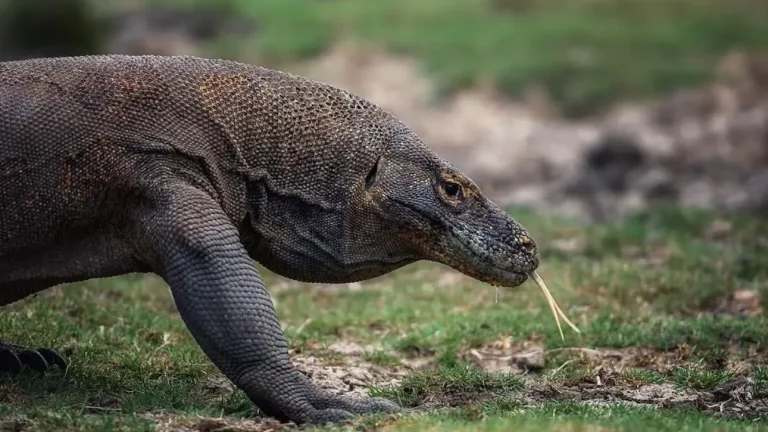
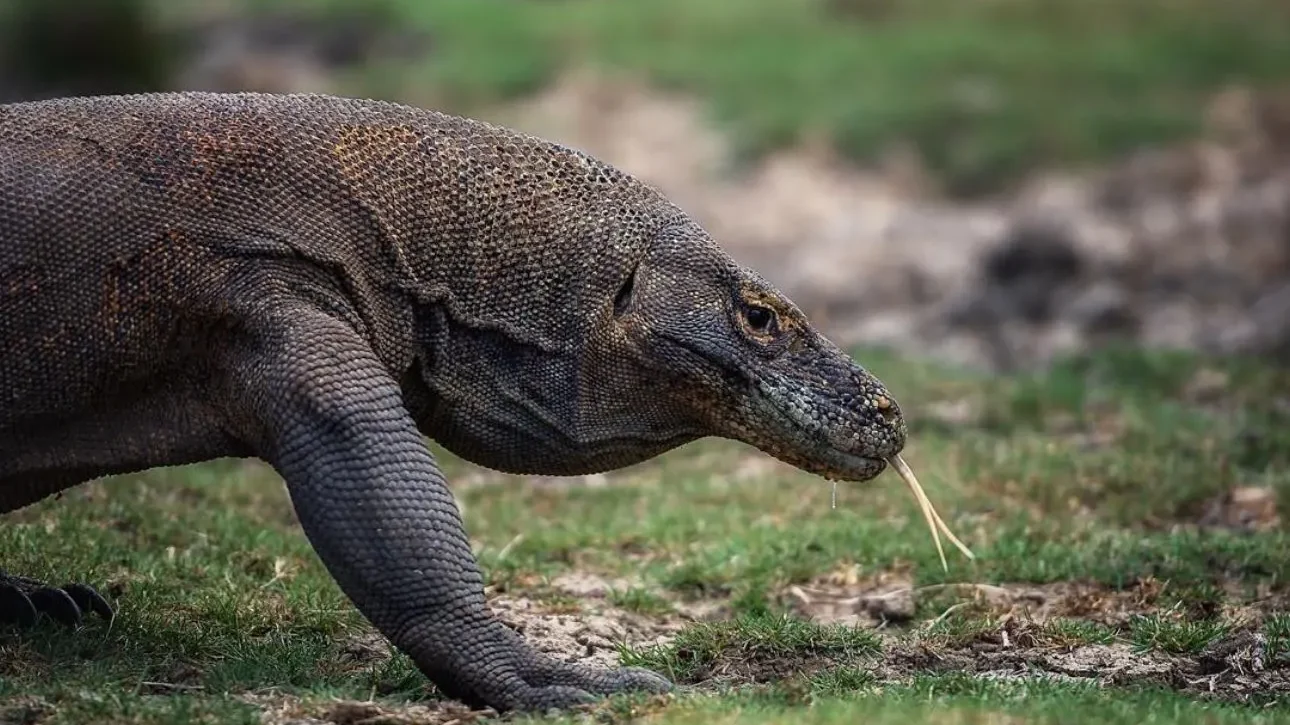
Rinca Island’s dry savanna, monsoon forest pockets, and mangrove-fringed bay support the Komodo dragon alongside Timor deer, water buffalo, wild boar, long-tailed macaques, and feral horses, plus drought-resistant flora like lontar palms and acacias adapted to the island’s long dry season.
- The main habitat types on Rinca and what lives in each
- Which plants and animals you’re likely to actually see
- How conservation efforts protect this ecosystem
Rinca’s landscape is defined by contrast: open, sun-baked savanna gives way to pockets of denser monsoon forest and, near Loh Buaya itself, a mangrove-fringed bay. Each habitat supports a different mix of species, and understanding this layout helps explain both what you’ll see on a trek and why the island’s ecosystem works the way it does.
Flora: what grows on Rinca Island
| Habitat | Typical vegetation |
|---|---|
| Open savanna | Drought-resistant grasses, lontar palms, scattered acacias with deep root systems for accessing underground water |
| Monsoon forest pockets | Denser deciduous trees that shed leaves in the dry season, providing shade and forage for deer and macaques |
| Mangrove-fringed bay (near Loh Buaya) | Mangrove stands supporting coastal biodiversity and buffering the shoreline |
Vegetation adapts to Rinca’s long dry season through deep root systems and drought tolerance rather than lush year-round growth, which is why the landscape looks dramatically different between wet and dry season visits.
Fauna: what lives on Rinca Island
Beyond the Komodo dragon, Rinca’s key mammals are Timor deer (the dragon’s main prey, and the most commonly spotted large animal on the trail), water buffalo (fewer in number, favouring wallows and wetter ground near the mangroves), wild boar, long-tailed macaques (often visible moving through forest pockets), and feral horses. Birdlife includes the yellow-crested cockatoo, a species of conservation concern across its range, along with various raptors that hunt over the open savanna. For a closer look at how deer and buffalo specifically function within the island’s food chain, see our dedicated buffalo and deer behaviour guide.
Conservation efforts on Rinca Island
Rinca sits within Komodo National Park, a UNESCO World Heritage Site since 1991, where conservation work focuses on habitat preservation, species monitoring (particularly ungulate populations that sustain the dragon population), and managing sustainable tourism pressure through the current SiOra booking and quota system. Habitat restoration efforts include replanting native vegetation and controlling invasive species in areas affected by past human activity, work that directly supports the prey base the Komodo dragon population depends on.
How Rinca’s ecosystem differs from Komodo Island’s
Rinca’s terrain leans more heavily toward open savanna than Komodo Island’s, which includes more extensively forested sections in places. This difference is precisely why Rinca tends to offer better sightlines for spotting wildlife from the trail — there is simply less vegetation obstructing a clear view across open ground. Both islands share the same core species list, since they sit within the same national park and the same broader ecosystem, but the ease of actually seeing that wildlife varies with terrain openness, which favours Rinca for most first-time visitors.
The food chain in simple terms
Rinca’s ecosystem functions as a relatively compact food chain: vegetation (savanna grasses, forest browse) sustains the herbivores (Timor deer as the dominant grazer, water buffalo, wild boar), which in turn sustain the Komodo dragon as the apex predator, with long-tailed macaques and feral horses filling additional niches. This is part of why habitat health matters so directly to dragon conservation — a decline in grazing land or prey species density would cascade upward to threaten the dragon population itself, which is the entire reason most visitors come to Rinca in the first place.
Marine life around Rinca’s coastline
While Rinca itself is a land-trekking destination, its surrounding waters within Komodo National Park support coral reef systems, manta rays (seasonal, at dedicated sites like Manta Point elsewhere in the park), and diverse reef fish popular with snorkellers and divers on multi-day itineraries. Most single-day Rinca trips pair the trek with a nearby snorkelling stop specifically to take advantage of this marine biodiversity, which is part of why Komodo National Park earned UNESCO recognition for both terrestrial and marine value, not the dragon alone.
What you’re likely to actually see on a trek
Deer sightings are highly likely on almost any route, since Timor deer are the island’s most abundant large mammal and graze visibly across open ground. Macaques are commonly seen moving through forest pockets. Buffalo sightings are less predictable, more likely near mangrove edges and wallows. Birdlife, including the yellow-crested cockatoo, rewards visitors who look up as well as ahead on the trail. A dragon actively hunting or engaging with prey is a rare, largely chance sighting rather than something any operator can promise.
How the dry and wet seasons change the landscape
During the dry season (roughly April to November), Rinca’s savanna turns increasingly golden-brown as grasses dry out, exposing wildlife more clearly against sparser vegetation — part of why dry-season trekking often delivers more reliable sightings. During and after the wet season (roughly December to March), the same landscape turns visibly greener and grasses grow taller, which can make spotting animals at a distance slightly harder even as the overall scenery looks lusher and more dramatic in photographs. Neither season is definitively “better” for wildlife viewing; each offers a different visual and practical experience of the same ecosystem.
Frequently Asked Questions
What plants grow on Rinca Island?
Drought-resistant savanna grasses, lontar palms, and acacias dominate the open terrain, with denser deciduous monsoon forest and coastal mangroves in specific pockets near Loh Buaya.
What animals live on Rinca Island besides Komodo dragons?
Timor deer, water buffalo, wild boar, long-tailed macaques, and feral horses, alongside birdlife including the yellow-crested cockatoo.
Why does Rinca look different depending on when you visit?
The island’s vegetation is adapted to a long dry season, so the landscape shifts dramatically between lush, greener conditions after rain and drier, more golden savanna in peak dry months.
Is Rinca Island part of a protected conservation area?
Yes, Rinca sits within Komodo National Park, a UNESCO World Heritage Site since 1991, managed by Balai Taman Nasional Komodo.
What is the most commonly seen animal on a Rinca trek besides dragons?
Timor deer, given their abundance and visibility across the island’s open savanna terrain.
Are there birds worth looking for on Rinca Island?
Yes, including the yellow-crested cockatoo and various raptors that hunt over the savanna, both visible to attentive visitors during the trek.
Explore trekking routes in Rinca Island Trekking: Short, Medium & Long Trails or book through Komodo Luxury’s Komodo boat tour. WhatsApp: +62 811-3823-875.
Last updated: August 25, 2026.
Related Rinca Island Guides
Keep Reading
Travel Journal
Photographing Rinca Island: Gear, Light & Ethics
For photographing Rinca Island, a mid-range zoom (roughly 70-200mm equivalent) covers both wildlife at a safe distance and landscape shots…
Travel Journal
Rinca Island Visitor Quota: How the Daily Limit Works
Komodo National Park limits visitors to 1,000 people per day across the whole park, split into three scheduled sessions of…
Travel Journal
The Future of Eco-Tourism on Rinca Island
Last updated: August 25, 2026. Eco-tourism on Rinca Island is shaped by a straightforward tension that isn't going away: the…