
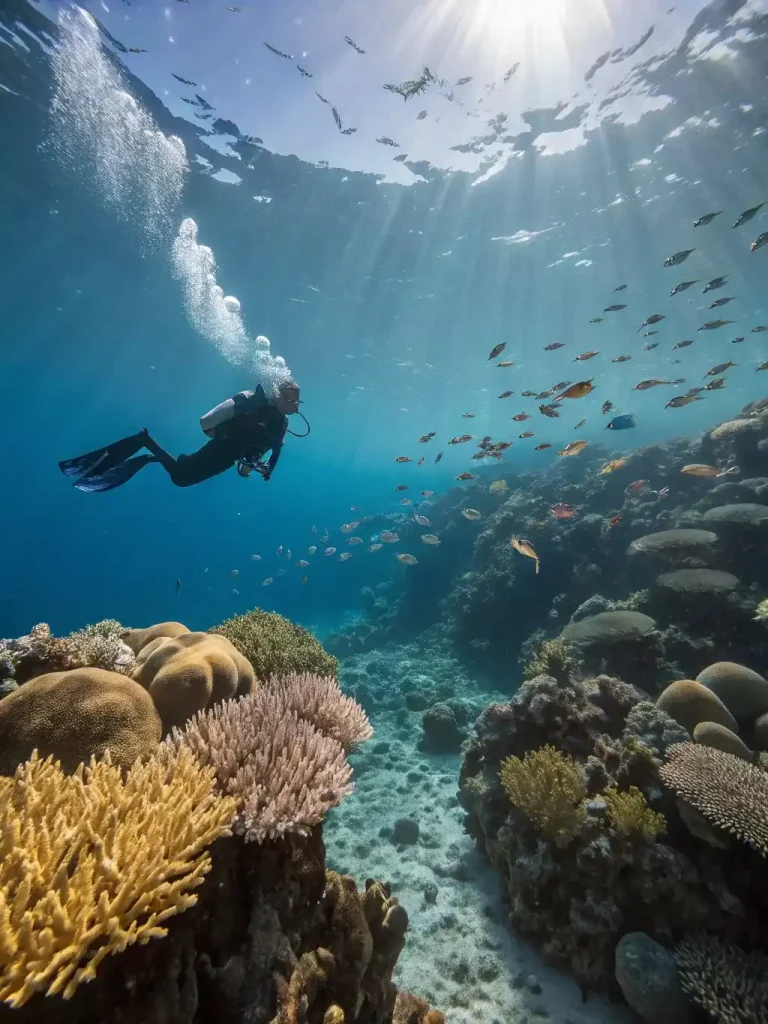
Rinca’s Underwater Highlights: Diving & Snorkelling
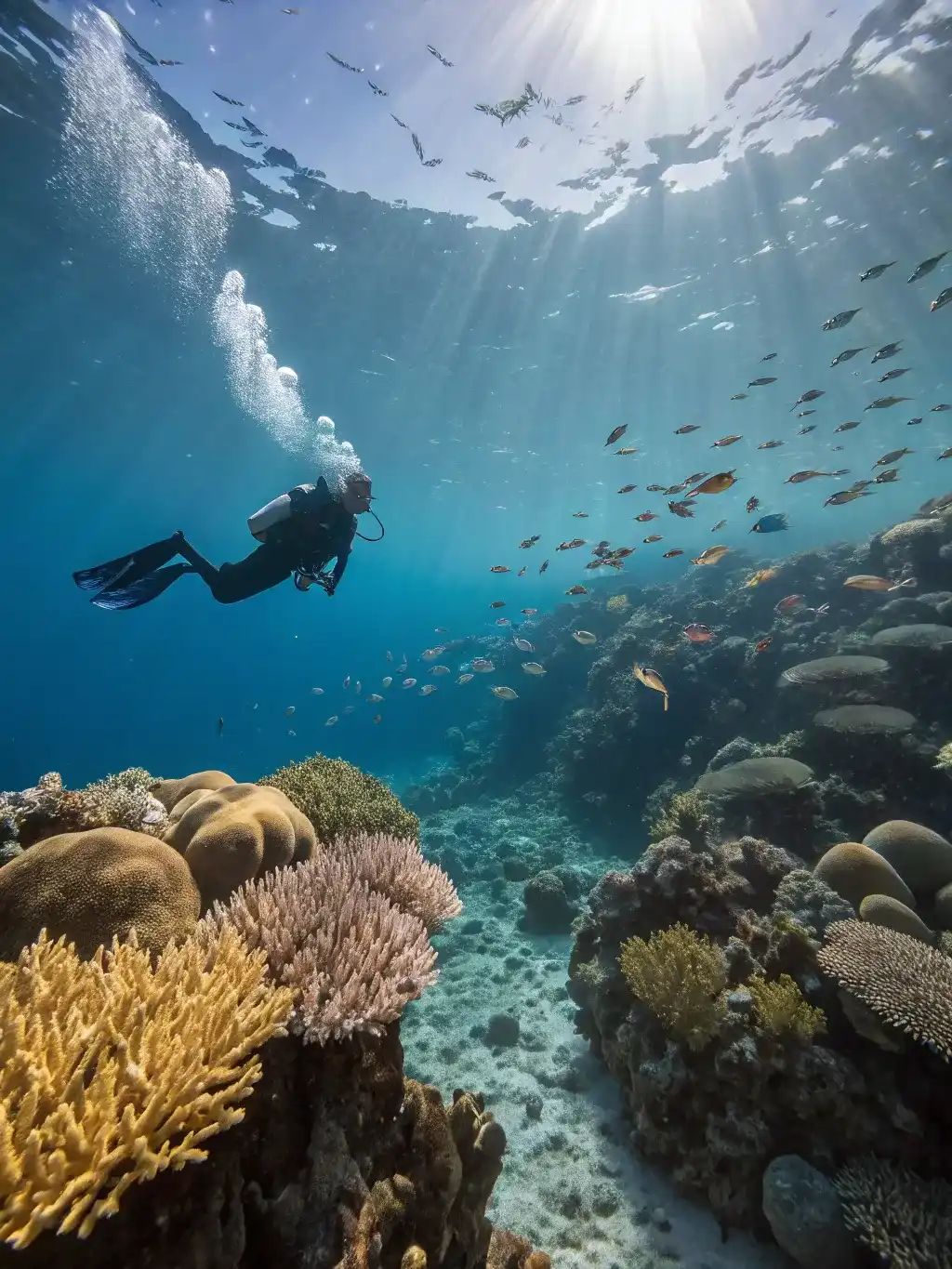
The waters around Rinca Island sit inside Komodo National Park’s wider marine ecosystem, where reef stops at Kelor Island, Manjarite, and Pink Beach’s fringing reef are commonly combined with a Rinca trekking day. Diving goes further afield to sites across the park known for strong currents and pelagic encounters, better suited to multi-day trips than a single Rinca day visit.
Rinca Island’s own jetty at Loh Buaya isn’t a snorkeling or diving site — it’s a mangrove-fringed bay used for boat access. The underwater highlights associated with “Rinca Island” trips actually happen at nearby reef stops added to the same day or itinerary. This page gives an honest overview of both snorkeling and diving in the wider area, and how they connect to a Rinca-based trip.
Snorkelling Highlights Near Rinca Island
For a full breakdown of specific spots, conditions, and safety guidance, see our dedicated Rinca Island snorkeling trip guide. In summary, commonly paired stops include Kelor Island’s fringing reef, Manjarite, and the reef edge off Pink Beach — each chosen on the day based on your operator’s route and current conditions rather than a fixed guarantee.
Diving in Komodo National Park
Diving in this part of the park is generally a separate undertaking from a single Rinca day trip — most serious dive sites in Komodo National Park require a liveaboard or dedicated dive-day boat, PADI-certified guiding, and comfort with currents that can be genuinely strong in narrow channels. If diving is your main goal, look at a multi-day Komodo liveaboard built around dive sites rather than a Rinca-focused day trip, which is oriented around trekking first.
Currents, Visibility & Marine Life
Komodo National Park’s waters mix currents from the Flores Sea and the Sumba Strait/Indian Ocean side, which is what makes the marine ecosystem here so rich — and also why current strength and visibility vary significantly by site, tide, and season rather than following one fixed figure. Expect your guide to choose sites based on the day’s conditions rather than a pre-set list, and treat any claim of guaranteed sightings (mantas in particular) with appropriate skepticism, since sightings are seasonal and never certain.
What to Avoid Doing in the Water Here
A short, practical list matters more than a long one: don’t stand on coral, even briefly to steady yourself; don’t touch, chase, or feed any marine life, including sea turtles if you encounter one; don’t discard anything overboard, including biodegradable food scraps; and don’t swim beyond the area your guide indicates, since currents can pull a strong swimmer further than expected surprisingly quickly in some channels.
Snorkelling vs. Diving Near Rinca: Quick Comparison
| Snorkelling | Diving | |
|---|---|---|
| Typical trip type | Added to a Rinca day trip | Usually a dedicated liveaboard or dive-day boat |
| Certification needed | None | PADI or equivalent open-water certification |
| Common stops | Kelor Island, Manjarite, Pink Beach reef | Sites across the wider park, chosen for conditions and season |
| Best paired with | A single Rinca trekking day | A multi-day liveaboard itinerary |
Why Komodo National Park’s Waters Are Protected
The reefs and channels around Rinca and the wider park are part of a protected marine ecosystem within Komodo National Park — touching or standing on coral is not permitted, and reef-safe sunscreen is the responsible choice given how concentrated visitor traffic is in some of the more popular snorkeling spots.
Why Komodo’s Waters Are So Biodiverse
Komodo National Park’s marine area sits within the Coral Triangle, a region recognized globally as one of the most biodiverse marine zones on the planet, where warm currents from the Flores Sea meet cooler, nutrient-rich water pushed up from the Indian Ocean side near the Sumba Strait. This mixing is exactly why the same stretch of water can shift from calm and clear to strongly current-swept within a short distance or a few hours — a trade-off between rich marine life and genuinely variable conditions that any honest guide to the area should mention rather than gloss over.
Choosing a Dive Operator for Komodo National Park
If you’re planning to dive rather than snorkel, confirm your operator uses PADI (or equivalent) certified dive guides, carries appropriate safety and emergency equipment for currents that can be strong even at popular sites, and is transparent about which sites suit your certification level and experience — not every Komodo dive site is appropriate for a newly certified open-water diver. A responsible operator will decline to take you to an advanced site if your experience level doesn’t match it, which is a sign of competence, not poor service.
Equipment Notes for Snorkelers and Divers
Snorkelers generally need only mask, snorkel, and fins — most operators provide these as standard on a Rinca-plus-snorkeling day, though bringing a well-fitted mask of your own is worth it if you have one. Divers need considerably more: a full BCD and regulator setup, an exposure suit appropriate for local water temperatures, and a dive computer, most of which is provided or rentable through a dedicated dive operator rather than expected of a general Rinca day-trip boat. If diving is central to your plans, book with an operator that specializes in it rather than assuming a Rinca-focused trekking boat can also outfit a full day of diving.
Frequently Asked Questions
Can you snorkel or dive directly at Rinca Island?
Not at the jetty itself — it’s a mangrove-fringed bay for boat access, not a snorkeling site. Trips combine a Rinca trek with separate reef stops elsewhere in the park.
What’s the difference between snorkelling and diving near Rinca Island?
Snorkelling is commonly added to a single Rinca day trip at nearby reef stops; diving generally requires a dedicated liveaboard or dive-day boat and open-water certification.
Are manta rays guaranteed on a Rinca and Komodo trip?
No. Manta sightings are seasonal and never guaranteed, and are more commonly built into longer, multi-day itineraries than a single Rinca day trip.
Do you need dive certification to visit Rinca Island’s waters?
Only for diving, not for snorkeling stops added to a standard Rinca day trip.
Is it safe to snorkel near Rinca Island?
Yes, at guide-selected sites, following your guide’s read of current conditions on the day.
Is Komodo National Park good for beginner divers?
Some sites suit newly certified divers well; others are genuinely advanced due to strong currents. A responsible operator will match sites to your certification and experience level rather than taking everyone to the same location.
What’s the best season for diving near Rinca and Komodo National Park?
Conditions vary by site and current patterns rather than a single park-wide “best season” — a dedicated dive operator can advise on timing for the specific sites your trip targets.
Do you need travel or dive insurance for diving near Komodo National Park?
Dive-specific insurance covering emergency evacuation is standard practice for diving in remote locations like this, given the distance to advanced medical facilities — check your policy’s coverage before booking a dive trip rather than assuming standard travel insurance covers diving incidents.
Can beginners try snorkeling for the first time near Rinca Island?
Yes, at a calm, guide-selected site with a life jacket — tell your guide it’s your first time so they can choose accordingly and keep a closer eye on you.
Are there jellyfish or other stinging marine life to be aware of near Rinca Island?
As with most tropical waters, occasional jellyfish or stinging organisms are possible depending on season and site — ask your guide about current conditions at each stop rather than assuming any site is entirely risk-free, and mention any known allergies or sensitivities to your guide before entering the water at each new stop.
Last updated: 25 August 2026.
Want the full snorkeling breakdown? See our Rinca Island snorkeling trip guide, or book a Komodo liveaboard with Komodo Luxury if diving is your priority.
Related Rinca Island Guides
- Manta Point & Reef Snorkelling on a Rinca Trip
- Diving Around Rinca: Castle Rock, Crystal Rock, Batu Bolong
- Rinca Diving Spots: A Site-by-Site Guide
- Rinca Island Cost: Full Budget Breakdown
To match Rinca’s trekking with the nearby reefs described here, Komodo Luxury can fold stops such as Kelor, Manjarite or Pink Beach into a structured one-day Komodo sailing trip. Divers looking for extended current-swept sites may prefer a multi-day Komodo liveaboard, while those wanting to set their own pace and snorkel schedule around Rinca can opt for a tailored private boat charter.
Keep Reading
Travel Journal
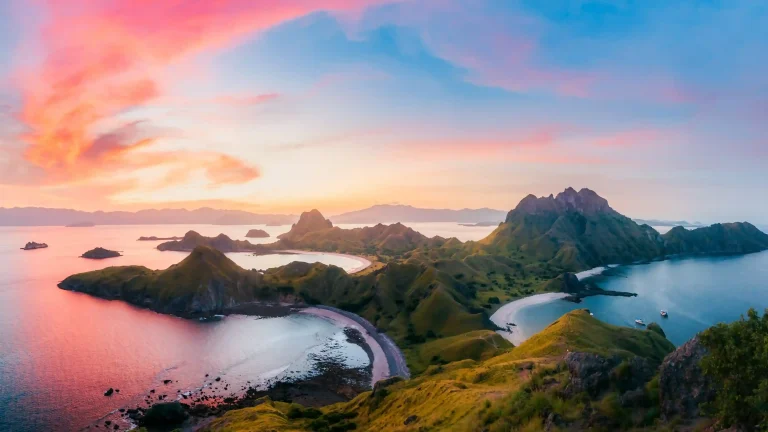
Photographing Rinca Island: Gear, Light & Ethics
For photographing Rinca Island, a mid-range zoom (roughly 70-200mm equivalent) covers both wildlife at a safe distance and landscape shots…
Travel Journal
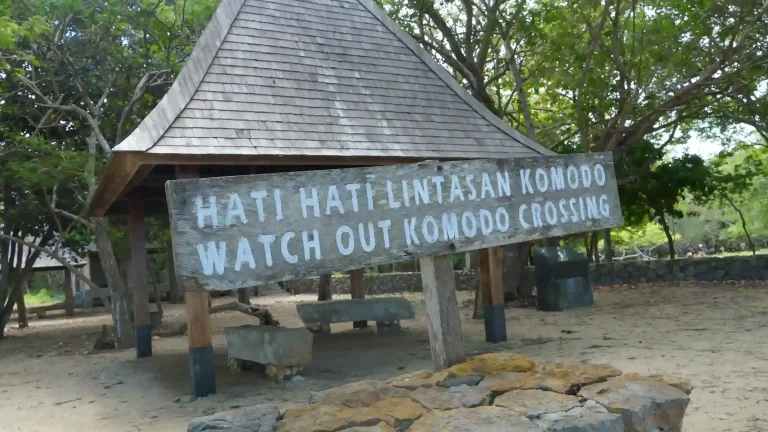
Rinca Island Visitor Quota: How the Daily Limit Works
Komodo National Park limits visitors to 1,000 people per day across the whole park, split into three scheduled sessions of…
Travel Journal
The Future of Eco-Tourism on Rinca Island
Last updated: August 25, 2026. Eco-tourism on Rinca Island is shaped by a straightforward tension that isn't going away: the…