
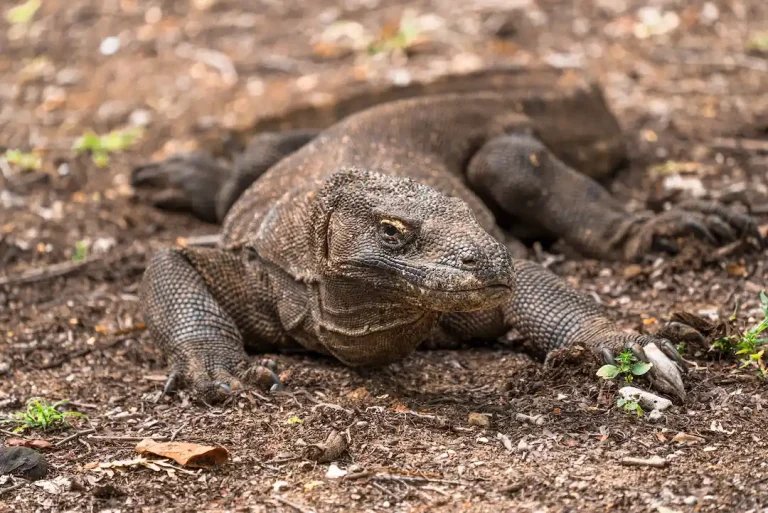
Birdwatching on Rinca Island: Species & Best Spots
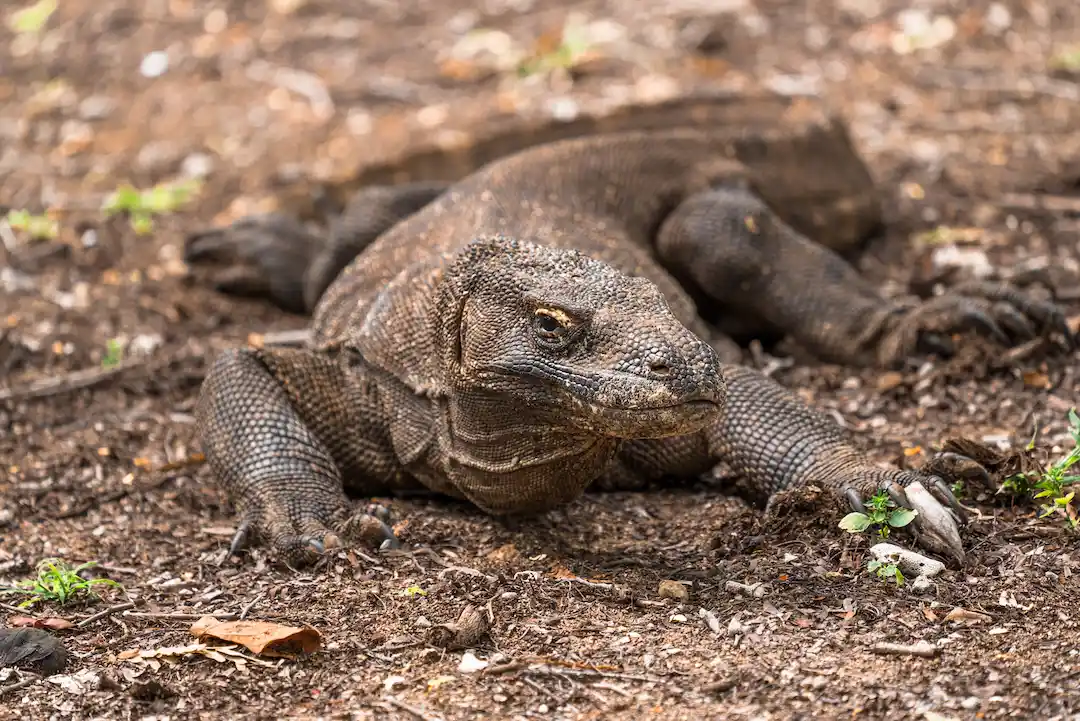
Birdwatching on Rinca Island is a secondary but genuine draw alongside the Komodo dragon trek — the island’s savanna, mangrove edges, and coastal habitat support a range of species typical of the Wallacea biogeographic region, including several birds found only in this part of Indonesia. Most visitors combine casual birdwatching with the standard ranger-guided trek rather than booking a dedicated birding tour.
Why Rinca Island has notable birdlife
Rinca sits within Wallacea, the transitional zone between Asian and Australian biogeography, which is why Komodo National Park’s bird checklist includes species with both Asian and Australasian affinities. The island’s mix of dry savanna, monsoon forest patches, and mangrove-fringed coastline creates several distinct micro-habitats within a relatively small area, supporting more species diversity than the arid savanna landscape might suggest at first glance.
What birds can you realistically see on a standard trek?
On a typical ranger-guided walk, keep an eye out for raptors soaring over the savanna (a common and often-spotted group in the park), various songbirds in scrubbier vegetation near the ranger station, and shorebird or wading-bird activity around the mangrove edges near the jetty. Sightings depend heavily on time of day (early morning is best, matching the same cooler-hours advantage that applies to dragon spotting) and are not guaranteed on any given visit.
Where within Komodo National Park do birders go for a dedicated trip?
Serious birders visiting Komodo National Park often extend beyond a single Rinca stop to cover multiple islands and habitat types across a multi-day itinerary, since different micro-habitats support different species mixes. A standard single-day Rinca trek is a reasonable introduction but not a substitute for a dedicated multi-stop birding itinerary if a specific target species list matters to you.
Mangrove birds near Rinca’s ranger station
The mangrove fringe near Loh Buaya’s jetty is a distinct micro-habitat from the savanna interior, and it’s worth a few minutes of attention while waiting to start or finish your trek — wading and shorebird activity here differs from what you’ll see on the open trail.
Guided birdwatching versus general trek birdwatching
The standard ranger-guided trek is focused primarily on Komodo dragon safety and sighting, not bird identification — rangers can point out obvious birdlife but are not typically trained birding guides. Visitors with a specific interest in bird identification are better served booking with an operator who offers a naturalist or birding-specialist guide as an add-on, rather than expecting a standard trek to double as a dedicated birding tour.
Best time for birdwatching on Rinca Island
Early morning, the same window recommended for dragon trekking and heat management generally, is also the best time for bird activity — many species are most vocal and visible in the first hours after sunrise before daytime heat sets in. This aligns naturally with the earliest available trekking slot most operators offer.
Wildlife spotting tips beyond birds
Move quietly and pause frequently rather than walking continuously — most wildlife sightings on Rinca, bird or otherwise, come from patient stillness rather than active searching. Binoculars, if you have them, add real value here since much of the savanna’s wildlife activity happens at a distance across open ground.
Habitat types across Rinca and what each supports
Rinca’s landscape breaks into three broad habitat bands relevant to birdlife: open dry savanna covering most of the interior and trekking trails, patches of monsoon forest in sheltered valleys and near water sources, and the mangrove fringe along the coastline near Loh Buaya’s jetty. Each band supports a different mix of species, which is part of why a single short trek can offer more variety than the uniform savanna view might suggest at first glance.
Photographing birds on Rinca Island
The same open savanna terrain that makes wildlife feel exposed and visible from a distance also makes photography genuinely challenging — birds are often far off across open ground, and a long lens (300mm equivalent or beyond) makes a real difference over a standard travel zoom. Early morning light also helps here, both for exposure and for the higher bird activity levels already noted above.
Recording sightings responsibly
Visitors interested in contributing sighting data to broader conservation records can note species, time, and approximate location and share observations with recognized citizen-science platforms or with the park authority directly, rather than only keeping a private list — a small way individual travellers can support the park’s ongoing ecological monitoring beyond simply paying the entrance fee.
Why bird diversity matters to Rinca’s broader ecosystem story
Bird populations are often used as an indicator species for ecosystem health more broadly — a stable, diverse bird community across savanna, forest, and mangrove habitats reflects a functioning wider ecosystem that also supports the island’s more famous residents, the Komodo dragons and their prey base. Framed this way, casual birdwatching on a standard trek is a small window into the park’s broader conservation success, not just a side activity.
Frequently asked questions about Rinca Island birdwatching
Is Rinca Island good for birdwatching?
It’s a reasonable secondary activity alongside the main dragon trek, with genuine Wallacea-region species diversity, though not typically marketed or guided as a dedicated birding destination on a standard visit.
Do I need a special permit to birdwatch on Rinca Island?
No separate birdwatching permit exists beyond the standard park entrance ticket and mandatory ranger guide required for any Rinca visit.
Can I bring binoculars on the Rinca Island trek?
Yes, and they’re genuinely useful given the open savanna terrain, where wildlife (bird or otherwise) is often spotted at a distance rather than close up.
Are there endemic bird species on Rinca Island?
Komodo National Park’s wider bird checklist includes species characteristic of the Wallacea region with limited global range; consult a current, dated regional field guide or the park authority for a verified species list rather than relying on unsourced claims.
Combining birdwatching with the main dragon trek
Because rangers set the pace and route on a standard trek, casual birders should mention their interest at the start so the guide knows to pause briefly at points with active bird activity, rather than moving through at a pace set purely around dragon-spotting. Most rangers are happy to accommodate this modest request within the standard trek timeframe.
Last updated: August 25, 2026.
Birdwatching is typically folded into a standard Komodo dragon trekking visit; travellers wanting a more nature-focused itinerary should ask about a naturalist guide when booking a Komodo sailing trip. For the surrounding coastal ecosystem, see our Currents, Jellyfish & Marine Hazards around Rinca.
Related Rinca Island Guides
- Rinca Diving Spots: A Site-by-Site Guide
- Private Charter vs Shared Tour: What’s Best For Rinca Island
- Best Time of Year for a Rinca Island Trip
Quick Facts & Related Questions
- Bird activity is best in the early morning and late afternoon around the mangrove edge near Loh Buaya, alongside the main dragon-trekking route.
Keep Reading
Komodo Dragons & Wildlife
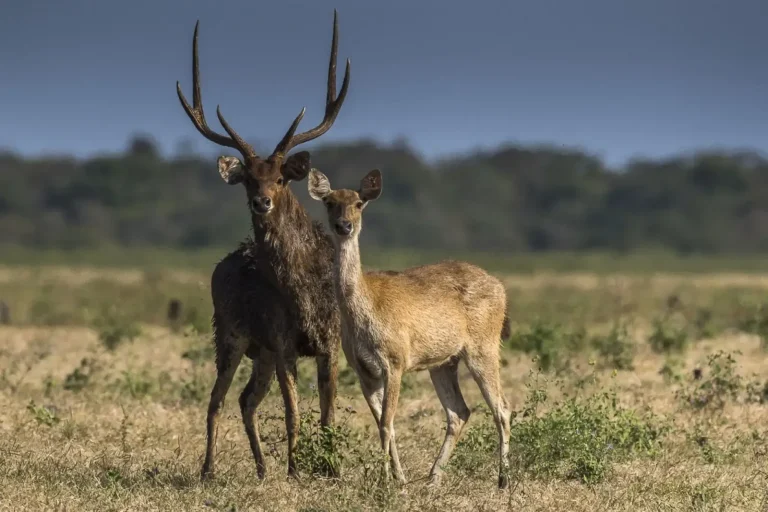
Buffalo, Deer & the Rinca Food Chain
Timor deer and water buffalo are the two most important prey species for wild Komodo dragons on Rinca Island. Scientific…
Komodo Dragons & Wildlife
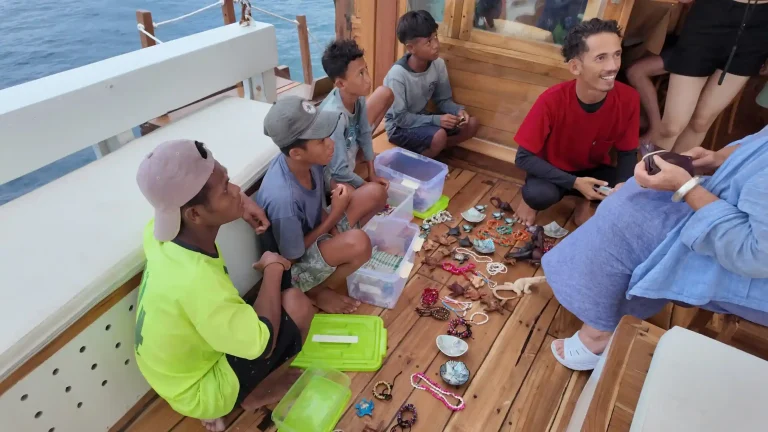
Rinca Island with Kids & Seniors: Safety Tips
Rinca Island can work well for families with children and for seniors, provided you choose the short trek (~1.5–2 km,…
Komodo Dragons & Wildlife
Rinca or Komodo Island: Terrain, Crowds, Crossing, Cost
Rinca Island generally wins for a first, dragon-focused visit: its open savanna gives better sightlines, its ranger trails tend to…